When to Do When Waterproofing in Illawarra Fails
Waterproofing is designed to keep water out of a structure. It forms a barrier that protects concrete, masonry, and internal spaces from moisture. When this barrier breaks down, water finds its way into places it should never reach. This situation is known as waterproofing failure.
Even a small leak can cause long-term damage if ignored. Moisture slowly weakens materials, stains surfaces, and creates conditions for corrosion. Over time, it can lead to problems such as mould growth, internal deterioration, and even concrete spalling.
In coastal regions and high-rainfall areas, waterproofing systems face constant stress. That is why property owners often seek reliable waterproofing in Illawarra to keep structures protected. Acting early helps avoid major repair work later.
Common Signs of Failure
Waterproofing rarely fails overnight. In most cases, buildings show warning signs before serious damage occurs. Recognising these signs early can prevent small issues from turning into major structural concerns.
• Visible Water Stains
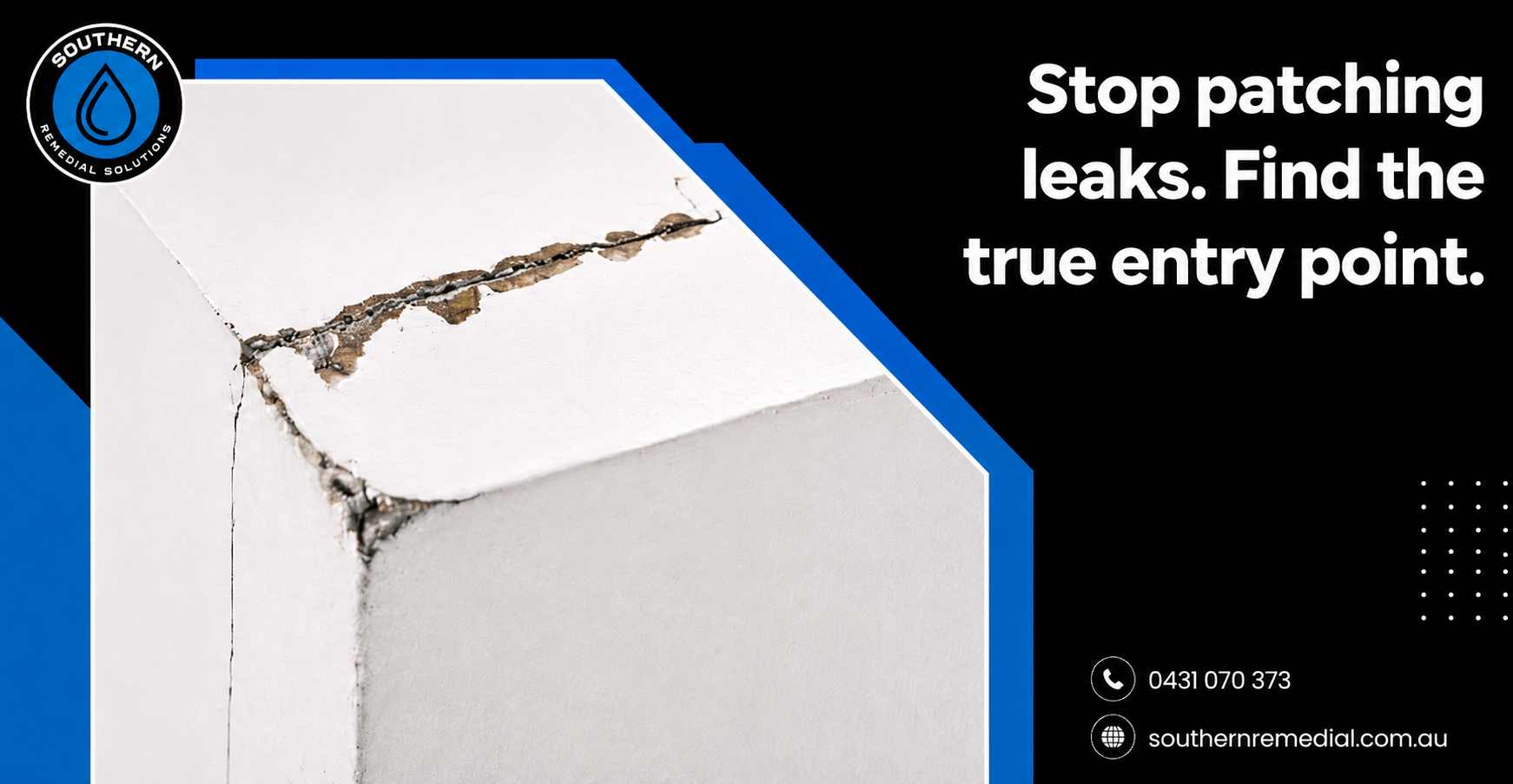
One of the first signs is discolouration on ceilings or walls. Yellow or brown patches often appear where water seeps through slabs, roofs, or balconies. These stains may grow larger over time, especially after heavy rain.
• Musty Odours
Persistent damp smells often point to trapped moisture behind walls or under floors. Even if the leak is not visible, the odour suggests water is sitting where it should not be. This environment also encourages mould growth.
• Blistering Paint
When moisture builds behind painted surfaces, the paint begins to bubble or peel away. This happens because water pressure pushes against the coating from behind. Over time, the surface becomes rough and uneven.
• Efflorescence
Efflorescence appears as a white, powdery residue on masonry, tiles, or grout lines. It forms when water dissolves salts inside concrete or mortar and carries them to the surface. While it may look harmless, it often signals ongoing moisture movement within the structure.
• Cracked Tiles or Grout
Small cracks in tiles or grout joints allow water to bypass the waterproof membrane. Once water enters, it spreads beneath the tiled surface and causes gradual deterioration. Over time, this can contribute to serious issues such as concrete spalling in the slab below.
How concrete spalling is different in Sydney vs the South Coast.
Why Waterproofing Fails
Waterproofing systems are designed to last, but they are not immune to failure. In many cases, problems start during installation or develop as the building ages. Understanding the causes helps property owners respond before damage spreads.
• Poor Installation
Incorrect membrane application is one of the most common reasons for waterproofing failure. If surfaces are not prepared properly or layers are applied too thinly, the system may not seal correctly. Rushed workmanship often leaves weak points where water can enter.
• Substandard Materials
Not all waterproofing products are built for the same conditions. Low-quality materials may degrade quickly when exposed to heat, moisture, or salt air. Over time, these membranes lose flexibility and begin to crack.
Using proven systems is particularly important in coastal regions like the Illawarra. Many property owners turn to experienced waterproofing specialists to ensure the right materials are used.
• Structural Movement
Buildings move more than most people realise. Temperature changes, soil movement, and normal settling can shift structural elements slightly. When that happens, waterproof membranes may stretch or tear.
Even small movements can create gaps that allow water to pass through.
• Lack of Maintenance
Waterproofing systems need regular inspection. Minor cracks, blocked drains, and damaged sealants often go unnoticed until leaks appear indoors. Without maintenance, small issues slowly develop into larger failures.
Routine checks can extend the life of the waterproofing system and prevent major repairs.
The Risks of Delay
When waterproofing fails, time matters. What starts as a minor leak can lead to serious damage if left unresolved. Water works slowly, but it rarely stops on its own. Ignoring the early signs often increases both the scale and cost of repairs.
• Structural Damage
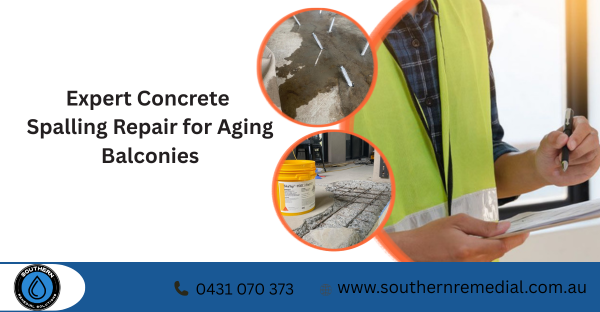
Continuous exposure to moisture weakens building materials. Timber frames can rot, steel reinforcement may corrode, and concrete surfaces begin to deteriorate. One common result is spalling, where the concrete surface cracks and breaks away as steel inside rusts and expands.
Left untreated, this damage can affect the structural integrity of balconies, slabs, and columns.
• Health Hazards
Moisture also affects indoor environments. Damp areas encourage mould and mildew growth, which can impact indoor air quality. Occupants may experience allergies, respiratory irritation, or persistent odours within the building.
Addressing leaks quickly helps protect both the structure and the people living or working inside it.
• Financial Loss
The longer waterproofing problems remain unresolved, the more expensive repairs become. What could have been a small sealing job may turn into large-scale structural remediation.
Early action reduces repair costs and prevents unnecessary disruption to occupants.
Remedial Solutions
When waterproofing fails, the goal is not only to stop the leak but also to repair the damage caused by moisture. Effective remedial work begins with a clear understanding of where water is entering and how it moves through the structure.
Experienced remedial specialists use a combination of inspection tools and repair methods to restore protection.
• Professional Inspection
The first step is identifying the true source of the leak. Moisture detection tools such as thermal imaging and moisture mapping help locate hidden water pathways. These technologies allow specialists to diagnose problems without unnecessary demolition.
• Membrane Replacement
If the existing membrane has failed, replacement may be required. This process involves removing old layers, repairing damaged surfaces, and installing a new waterproofing system designed for the specific environment.
High-grade remedial membranes provide stronger protection and longer service life.
• Joint Sealing
Expansion joints and construction joints often become weak points over time. Re-caulking and sealing these joints prevents water from entering through small gaps created by structural movement.
• Negative Pressure Waterproofing
In some situations, the external surface of a structure cannot be accessed. Negative pressure waterproofing treats the interior side of the structure instead. Special coatings are applied to stop water from penetrating through walls or slabs.
This approach is commonly used in basements, retaining walls, and underground structures.
Understand how remedial building work fixes rising damp.
Waterproofing in Illawarra
Waterproofing systems protect buildings from one of the most damaging elements—water. When these systems fail, moisture can quickly affect both structural materials and indoor environments. Early signs such as stains, damp smells, or cracked tiles should never be ignored.
Professional assessment is the safest way to identify the cause and plan the right repairs. Experienced specialists understand how moisture moves through buildings and how to stop it effectively.
If you suspect waterproofing issues in your property, the team at Southern Remedial can help. Contact us for a site assessment and expert advice on reliable waterproofing in Illawarra solutions that restore protection and extend the life of your structure.