How Concrete Crack Injection Is Used in Remedial Repair Work

A crack appears across a concrete slab in a commercial property. It may look like a simple defect that needs filling. But that visible line may only be part of the problem.
For a strata manager or property owner, the bigger question is whether the crack can be repaired by injection. You also need to know what caused it and whether the surrounding concrete needs further work.
Concrete crack injection can form an important part of that process. Southern Remedial Solutions uses epoxy injection as one of its concrete repair methods across Wollongong and the greater Illawarra region. Its process starts with an assessment and diagnosis before the team prepares a remediation plan for the site.
A Concrete Crack Needs Diagnosis Before Injection
Not every concrete crack needs the same repair. A crack can develop because of movement, loading, shrinkage, water ingress, reinforcement corrosion or another underlying issue. Its location and condition also affect the repair approach.
The American Concrete Institute notes that epoxy injection can work for certain structural cracks, but the method must suit the type and condition of the crack.
That is why assessment comes first.
Southern Remedial Solutions starts with an initial site assessment and detailed diagnosis. The findings then help shape a customised remediation plan. This process allows the team to look beyond the visible crack and identify other deterioration that may need attention.
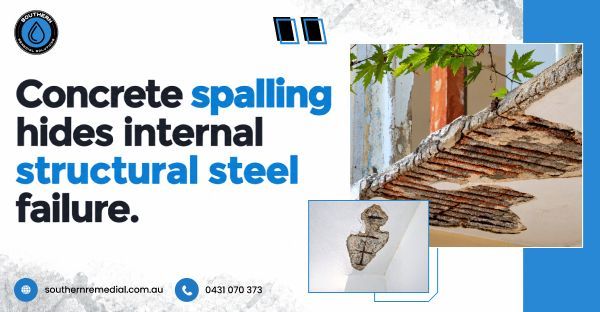
For example, reinforcement corrosion can cause cracking and spalling as the steel deteriorates. Injecting the crack would not, by itself, deal with the corroded reinforcement or damaged concrete.
When Crack Injection Fits the Remedial Repair Plan
Crack injection is one repair method within a broader remedial strategy.
Southern Remedial Solutions offers crack repair alongside concrete repairs, spalling and concrete cancer repair, reinforcement corrosion treatment, waterproofing, joint repairs and structural rectification. That matters because a crack can sometimes point to a wider defect.
Take concrete affected by reinforcement corrosion. The crack may be only one sign of what is happening inside the concrete. The repair may need to address the corrosion and any damaged concrete as well.
The Injection Material Must Match the Crack
The repair objective helps determine the right injection system. Southern Remedial Solutions specifically identifies epoxy injection as a concrete repair method. Epoxy can bond cracked concrete and help restore continuity across suitable structural cracks. ACI also identifies epoxy injection as a method for structural crack repair when the application is appropriate.
Water changes the picture. A crack that actively allows water through may need a different repair strategy from a suitable dry structural crack. The material and application method need to suit the condition being treated.
When Epoxy Injection Is Used for Structural Crack Repair
Epoxy injection can penetrate a suitable crack and bond the concrete surfaces together. ACI describes its use for structural cracks in concrete elements such as foundations, columns, beams and bridge decks. Its guidance also identifies surface sealing, injection ports, resin and the delivery system as important parts of the process.
But epoxy is not a universal answer. A crack that continues to move because of an unresolved issue may need a different repair approach. The repair therefore depends on more than how wide or visible the crack looks.
What Happens During a Professional Crack Injection Repair
The work starts before any resin enters the concrete. Southern Remedial Solutions describes a process that moves from consultation and preliminary assessment to detailed diagnosis, planning, implementation and quality control. This gives the repair team a basis for selecting a method that matches the condition of the concrete.
Preparing the Crack and Setting Up Injection Points
Preparation creates the conditions needed for the repair material to enter the crack effectively. Technical guidance for epoxy injection includes cleaning the affected area, sealing the crack surface and installing injection ports at suitable locations. The exact setup depends on the crack and the repair system being used. That is why crack injection is more involved than simply filling a visible line.
Injecting, Curing and Checking the Repair
Once the crack has been prepared, the repair material is introduced through the injection points. The material then needs to cure before the repair can be assessed and finished. ACI recognises post-repair checks as part of evaluating an epoxy injection repair.
Southern Remedial Solutions also includes quality control during implementation as part of its repair process. The job does not end when the material enters the crack.
Why Fixing the Crack Does Not Always Fix the Problem
A crack can return when the condition that caused it remains. Reinforcement corrosion, ongoing movement, water ingress and other forms of deterioration can continue to affect concrete after the visible crack has been repaired.
Southern Remedial Solutions approaches concrete remediation by assessing defects before developing a repair plan. This helps the team consider the wider condition of the concrete instead of treating every surface crack as an isolated problem.
This matters when cracks appear alongside spalling, rust staining, water damage or other signs of deterioration. In those cases, crack injection may form one part of a larger remedial repair.
When a Concrete Crack Needs Professional Assessment
A recurring crack deserves a closer look. The same applies when cracking appears with water ingress, spalling, rust staining, damaged concrete or other building defects. These signs do not confirm a specific structural problem, but they can justify a professional assessment.
Southern Remedial Solutions offers on-site inspections to assess the condition of the concrete and determine an appropriate repair approach.
For a property owner or strata manager, that makes an assessment a better starting point than simply patching the visible crack.
Concrete crack injection works best when it forms part of a diagnosed remedial repair plan. The cause, condition and purpose of the repair should guide the method, rather than the visible crack alone.