The Hidden Danger Above Your Head: Why Concrete Car Parks Fail Silently
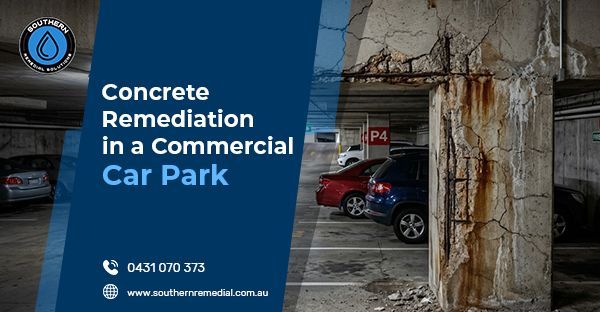
Walk through a concrete car park and look up. If the ceiling is painted and you don't see any massive cracks, it’s easy to assume the structure is perfectly sound. But that’s the trap with commercial parking garages. Long before a chunk of concrete falls and dents a parked car, water and chemistry have usually been quietly destroying the slab from the inside out. Most property managers won't give the ceiling a second thought until a tenant complains about a puddle on the bonnet of their car. By then, the damage is already well underway.
The Invisible Mechanics: How daily use eats away at reinforcement
People tend to look at a concrete slab and see solid rock. It’s not. It’s more like a really dense sponge. Down in a parking garage, you have hundreds of cars trapped in an enclosed space, pumping out exhaust every single day. Over the years, that concentrated carbon dioxide literally changes the chemistry of the slab. It slowly eats away the natural alkaline barrier that normally protects the rebar inside.
When the concrete is first poured, that high pH level keeps the steel pristine. Once the carbonation drops to that pH, the steel is completely vulnerable. It doesn't happen overnight, which is exactly why it catches so many building owners off guard. You don't see the chemical change happening; you just inherit the expensive mess a decade down the line.
The Entry Points
Once that internal armour is gone, all you need is a little water finding its way down. It doesn't even need to be a massive leak. It could just be moisture seeping through a worn expansion joint, a poorly sealed drainage penetration, or a hairline crack caused by the building naturally shifting.
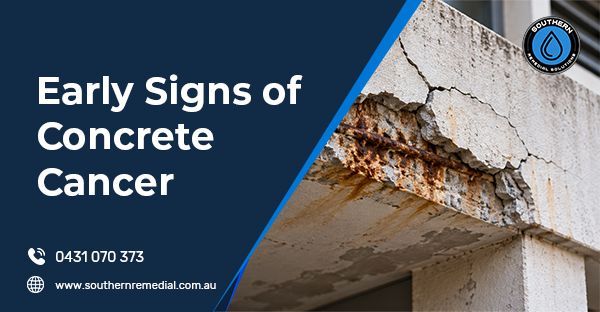
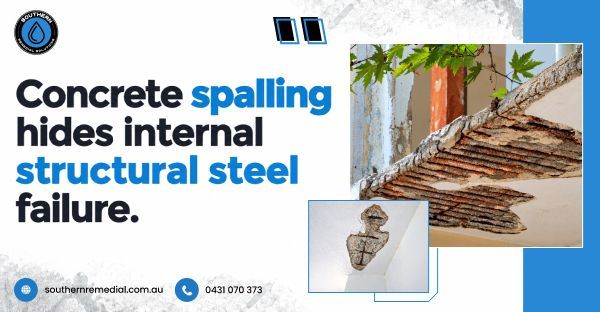
As soon as that moisture hits the naked steel, the rebar starts to rust. And because rust swells to several times the volume of the original steel, it builds up massive internal pressure. It pushes outward against the concrete until it simply pops the surface open from the inside.
The Cosmetic Mistake
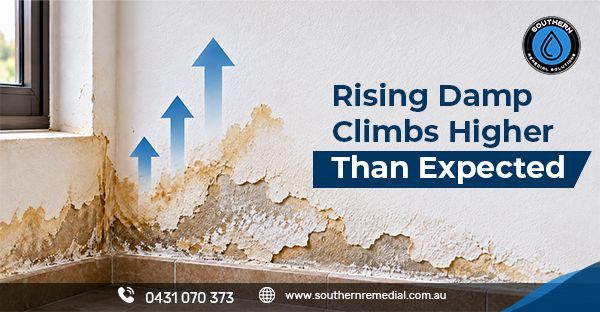
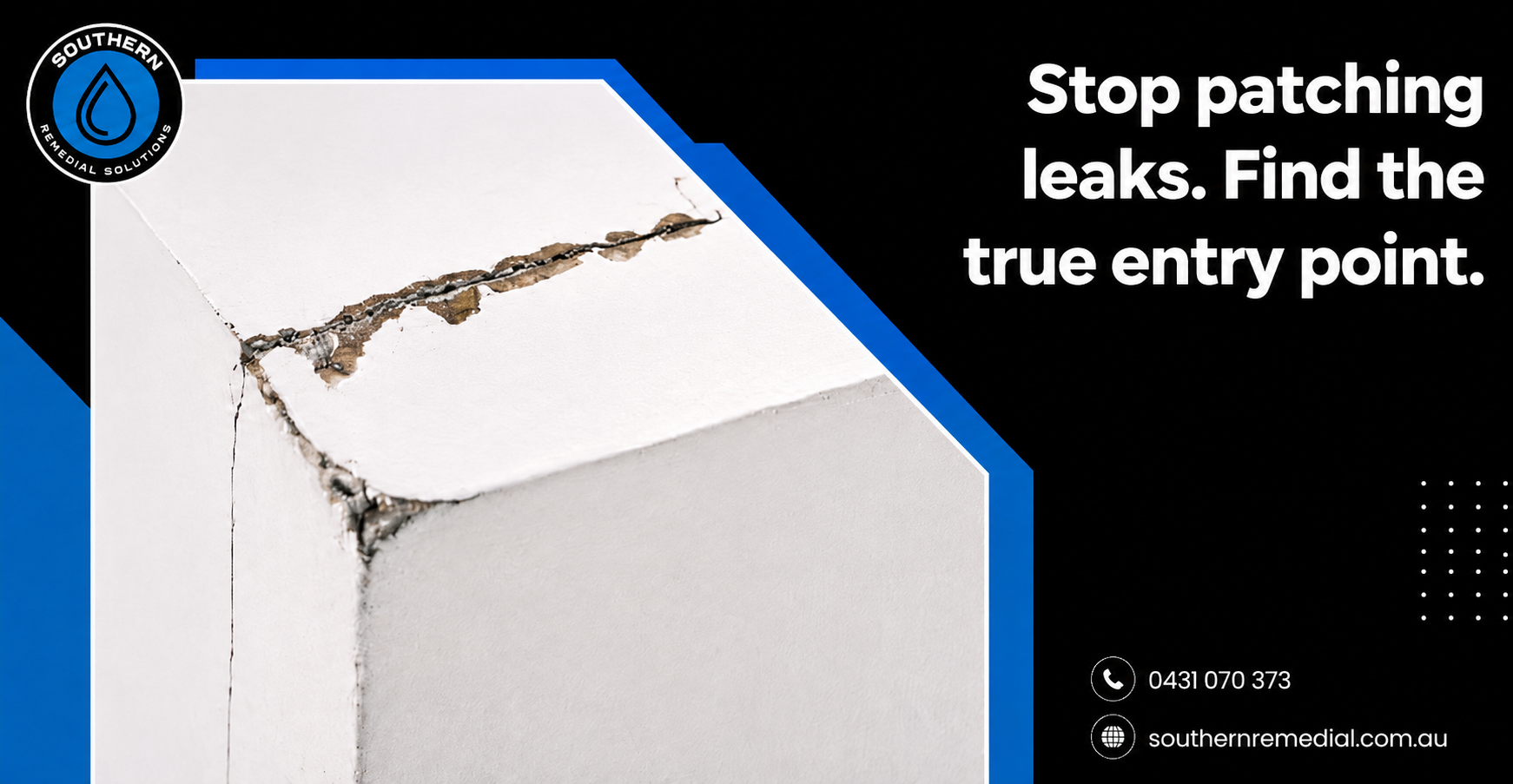
I can't tell you how many times I've walked onto a site and seen fresh white paint slapped over a damp spot, or a quick surface patch troweled over a crumbling edge. Maintenance teams do it to buy time, and I get it, you want the place looking clean for the tenants. But paint doesn't stop the rot; it just hides it.
If water is still getting in from above, that steel is still quietly expanding in the dark. Proper concrete remediation means ripping the band-aid off. It means tracking the water back to its actual entry point, treating the heavily corroded steel, and killing the leak at the source. Anything else is just an expensive cover-up that you will end up paying for twice.
Micro-signals staff should not ignore
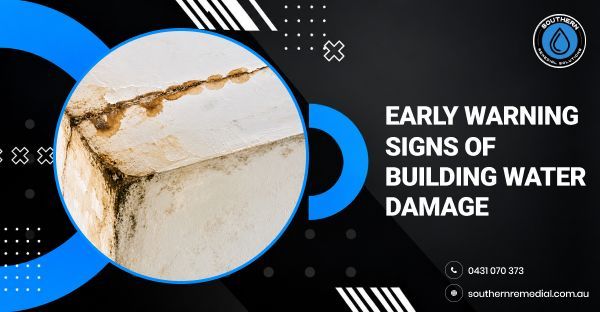
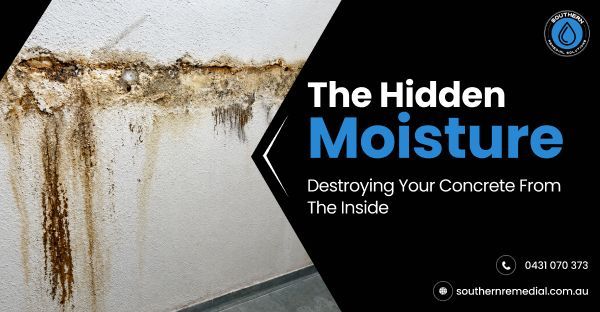
The frustrating part is that the building usually warns you long before the concrete actually blows. You just have to pay attention to the subtle things. It usually starts with a weird rust bleed crawling out from behind a light fixture, or a wet shadow on the ceiling that stays damp three days after it stopped raining outside.
Sometimes you’ll see white, chalky streaks, efflorescence, running down the concrete, which is a dead giveaway that water is travelling through the slab. If you drag a hammer across the ceiling and tap around those spots, a healthy slab gives a solid ring. A failing one gives off a dull, hollow thud. That thud means the concrete has already detached from the rebar inside.
The True Cost of Waiting
Walk past those warnings, and a weekend repair job quickly turns into a massive engineering headache. We have seen owners turn a blind eye to a few dripping joints, only to end up needing heavy structural propping and full slab replacements later. As we detail in our breakdown of The Issue with Delaying Foundational Repairs and Concrete Spalling, visible damage is almost always the final stage of a much longer, hidden deterioration process. By the time you see the spalling, the internal bleeding has been happening for years.
The Immediate Threat and Business Disruption
The absolute worst time to fix a car park is after the concrete starts falling. A piece of falling debris doesn't need to be huge to do serious damage. Now you aren't just dealing with a maintenance bill; you are dealing with potential injury claims, smashed windshields, and nervous insurance adjusters asking for your maintenance records (and if you ignored the warning signs, your coverage could be voided).
Then there is the human element. Repairing an actively collapsing structure means shutting down whole sections of the car park. Your parking capacity drops, and you suddenly have furious commercial tenants who can't use the spaces they pay top dollar for because of the noisy, dusty repair work happening overhead.
The Permanent Fix: Targeted Remediation
Effective repairs start with actual evidence, like core sampling and moisture tracing, not guesswork. You have to know exactly how far the rot has spread before you start breaking concrete.
When you catch the deterioration early, the solutions are much more surgical. For example, if we find active water finding its way through fine cracks but the steel hasn't severely compromised the structural integrity yet, a targeted polyurethane crack injection can be a lifesaver. It involves pumping a specialised resin under high pressure directly into the void. It chases the water out, seals the crack completely, and stops the water ingress dead in its tracks.
Structural Audit
Don't wait for the structure to force your hand. If your car park is showing any recurring leaks, hollow-sounding patches, or rust staining, have a professional come out and actually look under the hood. A professional structural audit today is almost always cheaper, and infinitely less stressful, than dealing with a massive, forced structural overhaul tomorrow.