What Causes Concrete to Crack, Scale and Deteriorate Over Time?
We receive calls about damaged concrete every single day. A property owner called us just last week after a heavy storm. They pointed out a jagged driveway crack. The gap grew significantly over the winter months. The owner asked for a simple surface sealant. We always refuse quick cosmetic fixes. A cosmetic patch only hides a spreading structural disease. People often search for concrete crack repair near me, hoping for a fast patch. But you must fix the underlying moisture problem to achieve a lasting repair. Root-cause prevention always beats cosmetic band-aids.
Concrete Functions as a Sponge, Not a Solid Stone
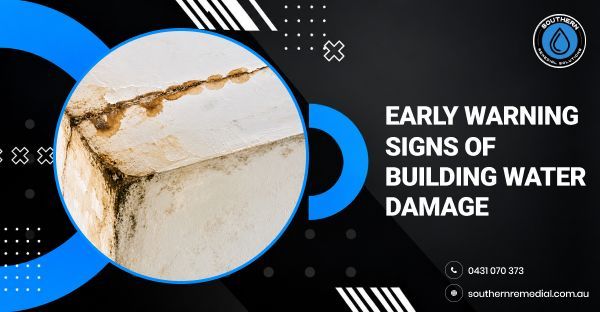
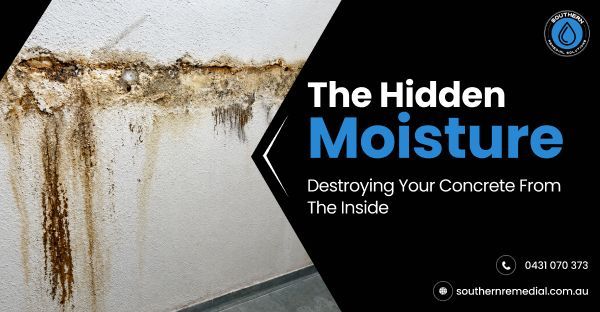
Many people view a concrete slab as an impenetrable block of rock. This belief leads to terrible maintenance decisions. Concrete actually behaves like a hard sponge. The material contains millions of microscopic pores. Groundwater constantly seeps up into these tiny holes from the soil below. Rain also soaks in from above. Water immediately causes trouble. Age alone does not destroy a driveway. Normal wear does not cause the worst damage. Moisture expansion drives the entire deterioration process. Water swells inside the porous material. The swelling pressure breaks the chemical bonds holding the sand and stone together.
The Expansion Cycle That Forces the Surface to Pop
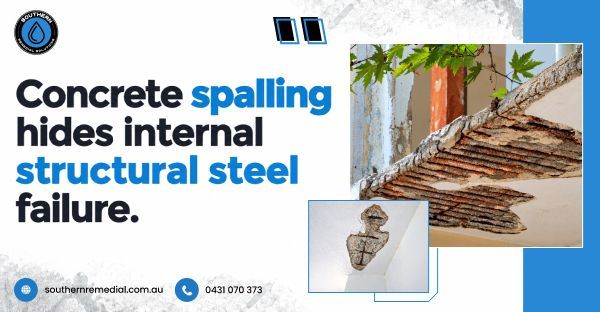
The porous structure traps water deep inside the slab. Temperatures drop rapidly overnight across many parts of Australia. The trapped water turns cold and expands. This internal pressure pushes aggressively against the solid material above it. The top layer simply cannot withstand the extreme upward stress. It shears off. Industry professionals call this destructive process scaling. The weather warms up the very next day. The slab shrinks back down to its normal size. This constant structural shifting weakens the entire mass. The cycle repeats itself every single season. The surface continuously pops and crumbles away.
How Surface Chemicals Accelerate the Damage
Homeowners often apply harsh chemical cleaners to remove stubborn driveway stains. People in colder regions sometimes use de-icing salts during winter frosts. These surface chemicals do much more than melt ice or lift oil spots. They actively attack the concrete. The caustic compounds dissolve the critical binding agents holding the aggregate together. The degraded surface then opens up even more microscopic pores. The compromised slab soaks in larger volumes of water. The chemical reaction significantly speeds up the moisture expansion cycle. You ruin your concrete faster by using these harsh products.
Harmless Settling vs. Active Structural Failure
Concrete naturally shrinks slightly as it dries after the initial pour. This normal drying process creates thin hairline cracks. These tiny surface fissures rarely threaten the health of the slab. But what happens when those cracks grow wider? Jagged splits clearly indicate an active structural failure. Ground moisture washes away the soil beneath the heavy slab. The concrete loses its firm foundation support. The heavy material snaps under its own massive weight. You must investigate the ground conditions in these cases.
The Rebar Rust Multiplier
Contractors often embed steel reinforcement bars inside slabs for extra tensile strength. Water eventually travels through the widened surface cracks. The moisture reaches this hidden steel. Continuous exposure causes the metal bars to rust. The oxidation process adds massive outward pressure to the internal structure. Some material specification charts state that rusting steel expands to four times its original volume. This rapid swelling acts like a slow explosion inside the slab. The expanding metal blows the concrete apart from within. You cannot stop this destructive process once the rust begins spreading.
The Cosmetic Patching Mistake
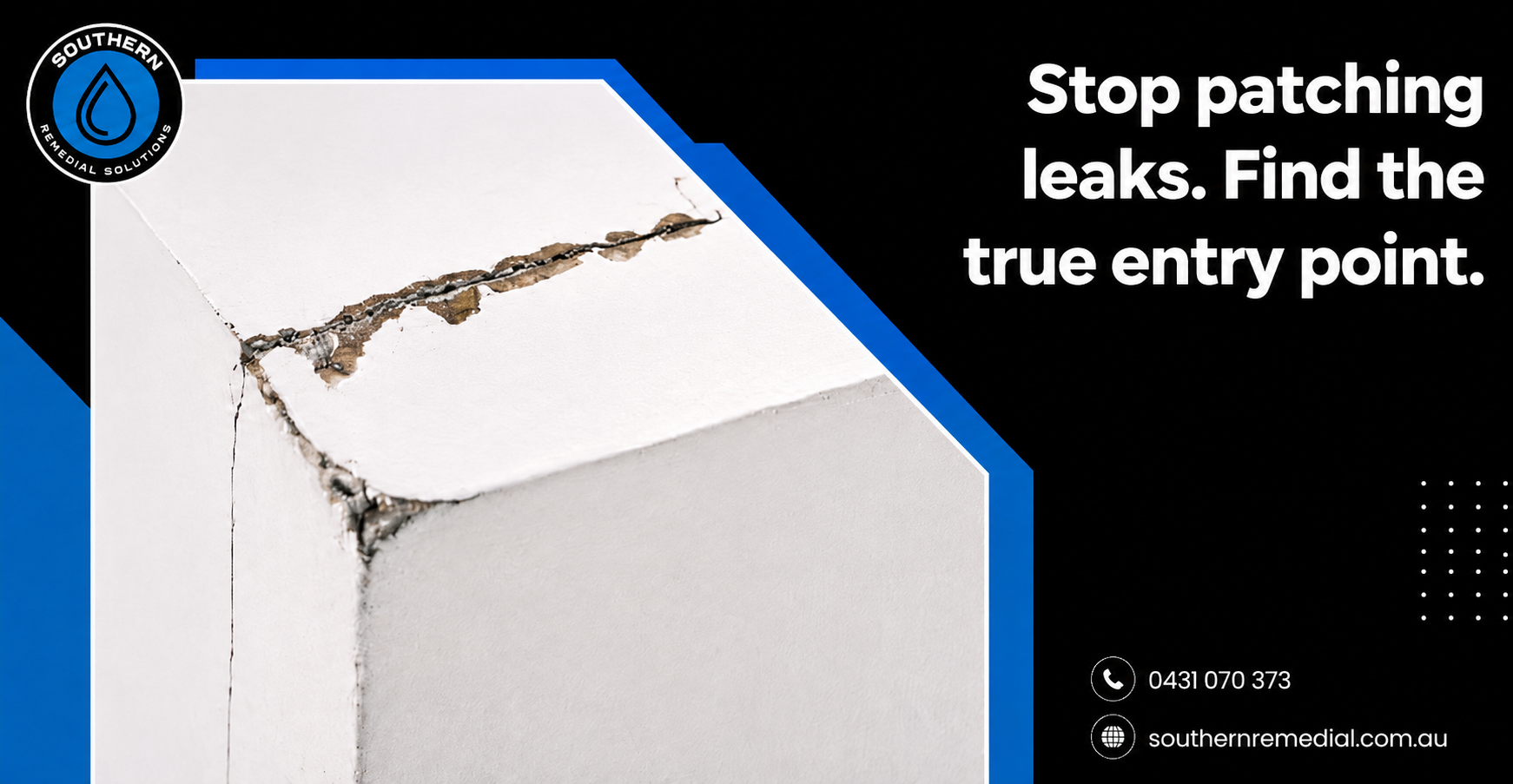
Hardware stores sell thousands of buckets of DIY crack fillers every year. Property owners buy these cheap products to save money on repairs. We strongly advise against using these temporary skim coats. A surface patch permanently traps existing moisture inside the damaged slab. The water cannot evaporate through the newly sealed top layer. The expansion cycle continues aggressively underneath the patch. The internal water pressure eventually pushes the fresh filler right out of the crack. You guarantee a failed repair when you ignore the trapped moisture. The patch inevitably crumbles into dust by the following season.
The Professional Threshold for Full Replacement
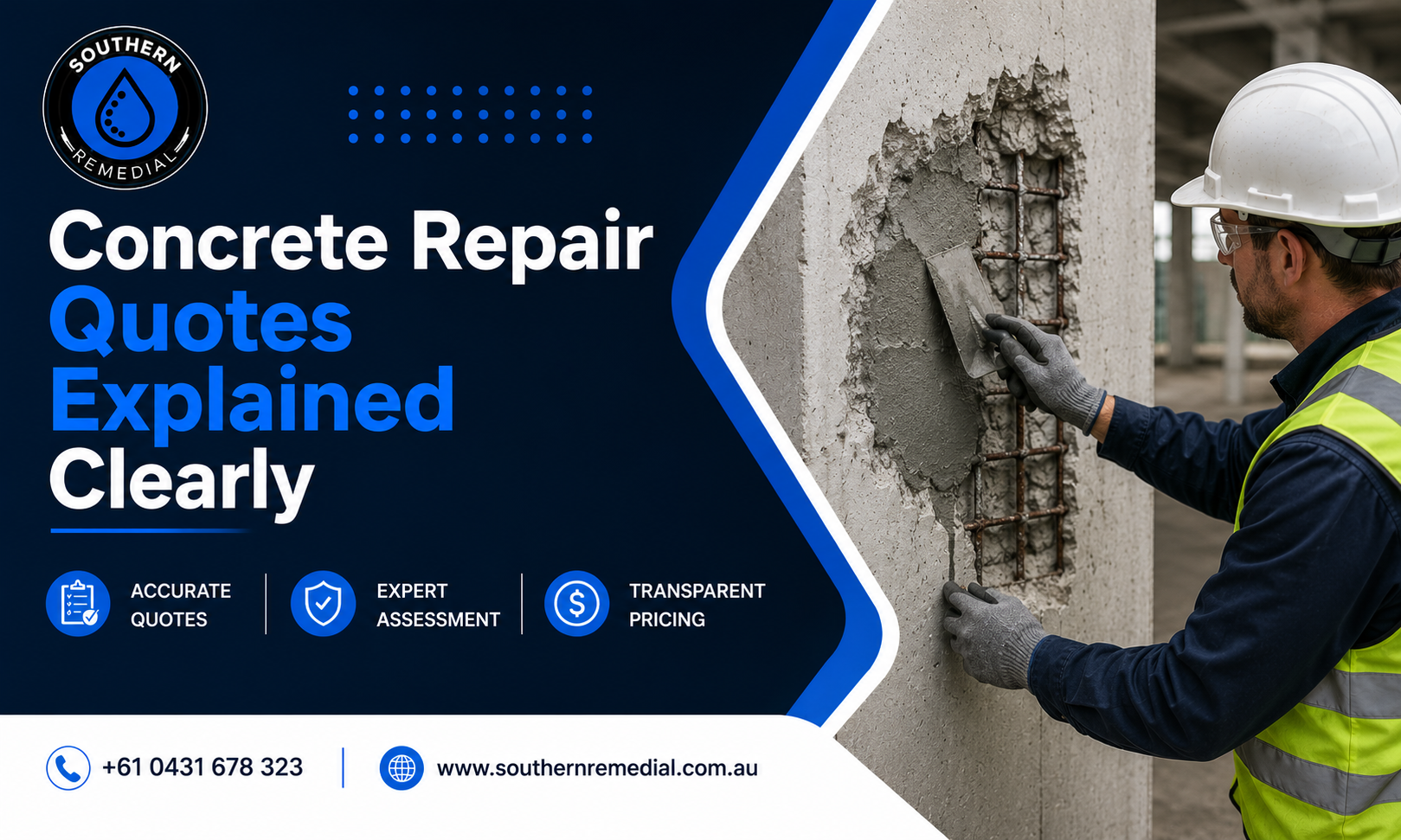
A proper repair strategy depends entirely on the condition of the foundation. Is the underlying soil completely stable? We can usually resurface the slab if it is. Dormant cracks. A firm base. These conditions allow us to apply a permanent structural overlay with confidence. But a total soil failure requires a full concrete replacement. We cannot save a sinking slab. Heavy rust on the internal rebar also forces a complete tear-out. Choosing full replacement prevents you from wasting money on a doomed structure. Anyone searching for concrete crack repair near me needs a professional who checks the foundation first.
Closing Insight
Treating concrete damage as a cosmetic annoyance only leads to repeated repairs. Lasting restoration requires stopping the water before you fix the surface.