How Concrete Spalling is Different in Sydney vs. South Coast
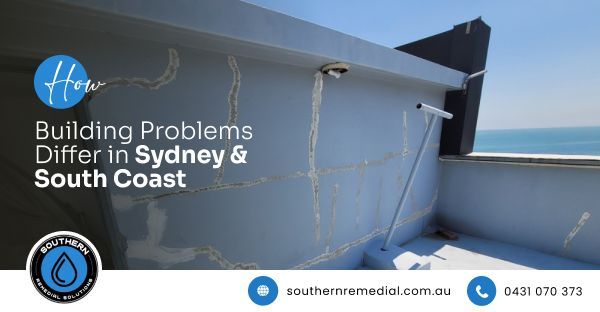
Sydney defects often track heat, density, and heavy day-to-day use. South Coast and Illawarra defects often track ocean exposure, salt air, and longer damp periods. The same “small” defect can stay minor in one place and escalate quickly in the other.
Climate and exposure affect membranes, joints, drainage, and corrosion risk. Get the diagnosis wrong and defects return.
How Climate Differences Drive Concrete Spalling
Buildings deteriorate through cycles. Heat and cooling wear down materials. Wetting and drying wear down water and salts.
- Sydney: Faces more urban heat island effect and less coastal exposure
Dark roofs and paved surfaces can lift local temperatures, which is the urban heat island effect. Many sites also sit away from daily salt spray, so thermal movement and wear often dominate.
- South Coast: Faces salt-laden air, higher humidity, and direct ocean exposure
Wind-driven rain and sea spray hit façades and balconies more directly. Wollongong’s long-term means annual rainfall is higher than Sydney’s. Coastal chlorides also increase reinforcement corrosion risk in marine exposure zones.
- How these factors accelerate concrete cancer and corrosion
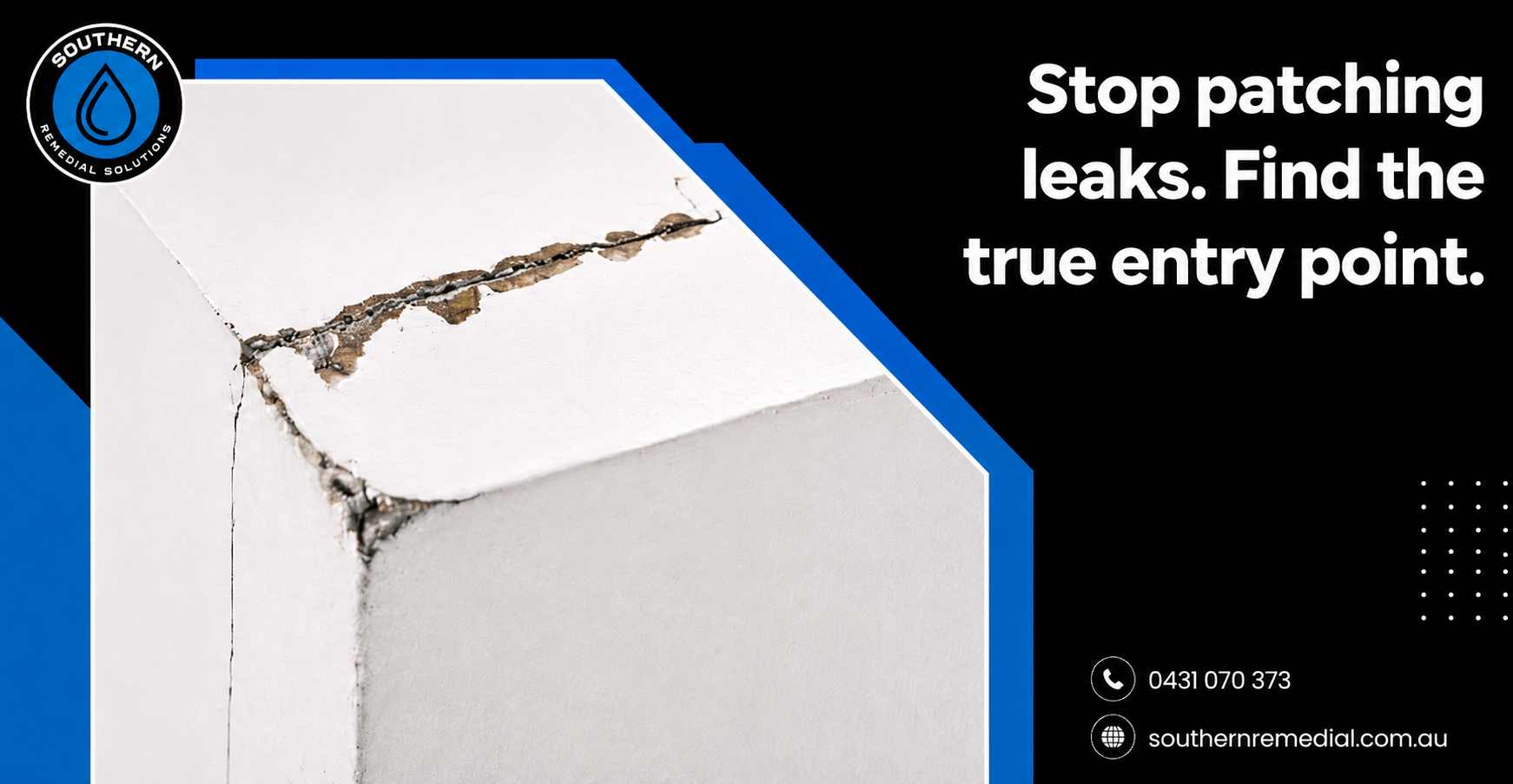
Corroding steel expands inside concrete and forces the cover to crack and separate. This process often leads to concrete spalling on exposed slabs, beams, and balcony edges.
Is your balcony BBQ another reason for your concrete spalling?
Moisture and Water Ingress Issues
Most defective chains start with water. Water enters at junctions, edges, and penetrations. Then it migrates and appears elsewhere.
- South Coast's higher rainfall and coastal weather patterns
Coastal rain often arrives with wind, so water drives into window heads, balcony thresholds, and wall junctions. Higher long-term rainfall around Wollongong reduces drying time between events.
- Rising damp more prevalent in coastal areas
Rising damp is moisture moving up through porous materials by capillary action. Older construction and salt-affected masonry can make it harder to control, unless you treat the pathway.
- Waterproofing challenges unique to seaside properties
Balconies, podiums, and external stairs combine traffic, drainage points, and open exposure. UV and salt can shorten system life. This is why waterproofing Illawarra scopes often need disciplined detailing: correct falls, compatible membranes, and tight sealing at edges and penetrations.
Material Performance Variations
Materials age based on the environment. Salt changes surface chemistry. Moisture keeps pores active.
- How salt air affects concrete, steel reinforcement, and render
Chlorides can migrate through concrete and undermine reinforcement protection, which drives coastal corrosion.
- Faster deterioration rates on the South Coast
Frequent wet/dry cycling and salt exposure can accelerate deterioration. You may see concrete spalling on balconies and façades earlier than expected.
- Different protective coating requirements
Protective coatings are performance systems. In higher exposure zones, you need strict surface preparation and compatibility across patch mortars, sealants, and membranes.
Building Construction Differences
Buildings reflect the standards of their era. Older detailing often lacks waterproofing continuity. Newer buildings add complexity through façades and penetrations.
- Older South Coast buildings vs. newer Sydney high-rises
Across the Illawarra and coastal towns, many assets are older brick and concrete blocks with exposed slabs and balconies. Sydney has more strata towers with podiums, basements, and multi-layer façade systems, so the failure points and access constraints differ.
- Different building codes and standards across eras
Durability and exposure thinking have strengthened over time, including how projects consider chloride-related risk. Older buildings often have lower durability margins.
- Local building practices in Wollongong/Illawarra region
Coastal design favours open balconies and exposed edges. This increases water entry points and salt deposition, so detailing and drainage upgrades matter.
Why Local Expertise Matters
A repair that lasts inland can fail early near the ocean. The same crack can have different causes in different zones. Local experience helps you test the right things.
- Understanding regional building issues firsthand
Local specialists know which elevations cope with the worst weather and what early warning signs matter.
- Customized solutions for South Coast conditions
Coastal scopes often need a combined approach: stop water at the entry point, improve drainage, treat corrosion, and protect the surface. For many buildings, waterproofing Illawarra work is the reset that prevents repeat leaks and slows structural deterioration.
- Why a Wollongong-based remedial specialist knows the area better
Southern Remedial Solutions is based in Port Kembla and services Wollongong, the Illawarra, Sydney, the South Coast and the Southern Highlands.
Can
IoT sensors predict concrete spalling and building failures before they can happen?
Waterproofing Illawarra Solutions
Sydney’s heat and density push movement, wear, and complex interfaces. The Illawarra’s salt air and longer damp periods push corrosion and faster surface breakdown, with higher long-term rainfall around Wollongong than Sydney. If you repair with the wrong assumptions, defects return. You can end up patching concrete spalling instead of eliminating the cause.
Down here, repairs must suit wind-driven rain, salts, and frequent wet/dry cycling. Southern Remedial Solutions provides defect inspections, concrete repairs, and waterproofing across NSW, with coverage in Wollongong and the Illawarra.
If you see cracking, rust staining, damp patches, or peeling finishes, act early. Book a free assessment with Southern Remedial Solutions. If your next step is waterproofing Illawarra upgrades, early scoping helps you avoid repeat failures.