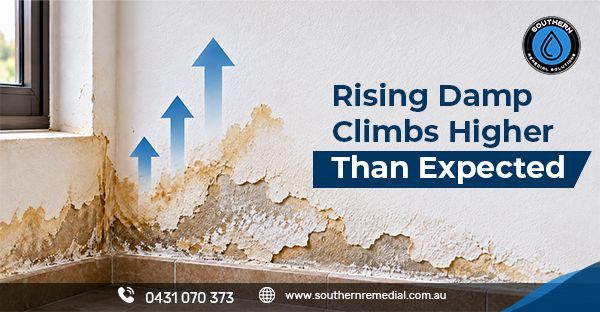
Why Rising Damp Climbs Higher Than You Think
Zeke Stankov • November 13, 2026
concrete remediation

I had a client in Cronulla point to a stain a metre up her hallway wall. She'd been told by a plumber it wasn't rising damp. "Surely rising damp stays down near the floor?" she asked. It's the most common misconception in this trade. Water doesn't stop where gravity says it should. Walls are full of tiny pores, and moisture climbs through them by capillary suction, sometimes reaching well above where anyone would think to look. Once soluble salts get involved, the damage spreads further still. What you're looking at on the plaster is rarely the whole story; the real problem is usually happening a few centimetres deeper, inside the wall itself.

What Is Rising Damp?

Brick, mortar, old lime render, all of it is riddled with microscopic gaps. Groundwater finds these and gets pulled upward the same way a paper towel soaks water off a bench. No pressure, pushing it, no pump. Just the pores doing what pores do.

Most people picture damp like a spill, wet at the bottom, dry a bit further up, done. But the material matters as much as the water. A soft sandstock brick from the 1920s will carry moisture noticeably higher than a dense modern brick with tight mortar joints.

Why Does It Climb Higher Than People Expect

The wicking effect doesn't politely stop at knee height. It keeps pulling moisture upward until evaporation off the wall surface catches up with it. In a closed, poorly ventilated room, that balance point can sit surprisingly far up the wall, higher than most owners would ever guess on their own.

Then there are the salts. Groundwater carries dissolved chlorides, sulphates, nitrates, picked up from the soil, sometimes from old building materials too. As the water evaporates, the salts stay behind on the wall surface. And salts are hygroscopic, meaning they'll keep pulling moisture out of the air long after the original source has calmed down. This is why a wall can feel damp on a humid afternoon months after the "leak" was supposedly fixed; salt attack and rising damp are rarely separate problems on the jobs I inspect.

Evaporation decides where you see the damage. The moisture climbs, then dries out wherever conditions allow it to, and that's rarely at the source. A tide mark a metre off the floor, bubbling paint well above the skirting, a crust of white salt deposits on plaster that looks otherwise sound. None of that tells you where the water got in. It tells you where it left.

Signs That The Problem Has Spread Beyond The Base Of The Wall

Peeling paint, cracked or blown plaster, tide marks, white salt crusts, any one alone might be nothing. All of them together, and you're looking at sustained moisture movement, not a one-off patch of dampness.

What gets missed more often: crumbling skirting boards written off as "just old timber." Damage that comes back a few months after a fresh coat of paint, blamed on cheap paint rather than the wall underneath. A musty smell in a room with no visible staining at all yet. All three usually mean the moisture is still active, you just haven't seen it surface.

Why Treating The Surface Alone Rarely Works

Painting over a stain, or skimming a patch of fresh plaster on top, doesn't touch what's happening inside the wall. Sometimes it makes things worse. Certain sealants trap moisture behind them, and the wall ends up wetter than before anyone touched it.

Diagnosis has to come first. Moisture readings at several heights up the wall, a check on the damp-proof course, a look for anything bridging it, render built up too high outside, a garden bed sitting against the brickwork. Skip that step and you're just guessing with a paintbrush. Every job we take on at Southern Remedial Solutions starts with an on-site inspection. You can't quote a fix before you know what you're fixing.

What A Proper Fix Usually Involves

The inspection maps how far the damp has spread and tests for salt contamination, then checks whether the damp-proof course has failed outright or simply been bridged.

From there, chemical dampcoursing is the usual remedy where the original course is gone. Older walls with heavy salt contamination often need more than one pass. Treat the moisture and ignore the salts, and the same failure shows up again within a year or two. This is remedial building in the true sense, fixing a structural fault in the wall, not decorating over the symptom. On older coastal properties, the slab edge or footings have often deteriorated alongside the damp. In that case, concrete remediation needs to run alongside the damp treatment, not after it.

Only once the moisture's under control does replastering with a salt-resistant render make sense, followed by protective coatings and finish work. Do it in that order and it holds. Do it the other way round and you're back here in a year.

Why Local Conditions Matter

Pre-1950s homes often have no working damp-proof course, or one that's cracked, bridged, or simply given up after seventy years. That's not a maintenance failure on the owner's part; it's just the building standard of the time.

Knowing which streets sit on reactive clay and which building eras skipped damp-proofing entirely makes the difference. It's what separates a fix that lasts from one that quietly fails again in eighteen months.

Conclusion

Rising damp climbs higher than people expect because the wall behaves like a sponge. Salts and evaporation push the visible damage well past wherever the water got in. Don't diagnose it from the stain alone. Don't paint over it and hope. Get the wall properly assessed, find the real source, and treat it in the right order; that's the only version of this fix that holds.
concrete repair contractors
By Zeke Stankov • November 9, 2026
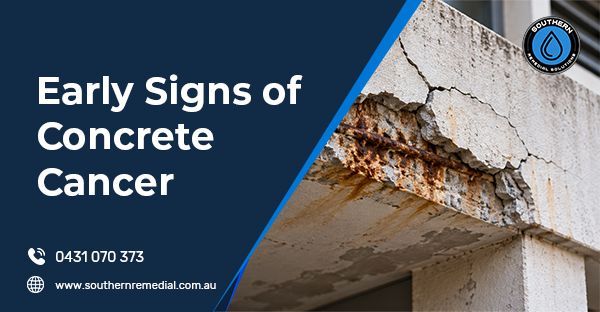
Rust stains, cracks and hollow patches can signal more serious damage. Learn when epoxy injection is suitable and when to act fast.
concrete remediation
October 27, 2026
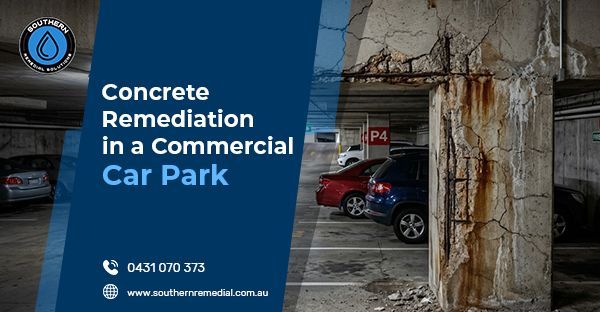
Discover why concrete car parks fail silently and how early concrete remediation can prevent structural collapse, costly damage, and business disruption.
By Zeke Stankov • October 12, 2026
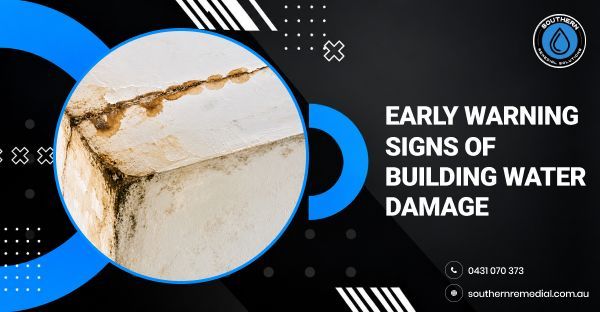
Property owners frequently ask us about ground-floor brick walls. The paint keeps bubbling just months after a fresh coat. People usually blame a bad batch of acrylic. Sometimes they suspect poor surface preparation. Trapped water almost always drives this specific failure. Treat these minor aesthetic issues as urgent structural alerts. Proactive intervention stops the moisture. It also keeps internal steel reinforcements intact. Hiding the problem simply lets the internal damage spread. Catch these six early warning signs to protect your property value. Blistering Paint Masks Deeper Substrate Moisture A scraper and a new coat of acrylic cannot fix bubbling masonry paint. Hydrostatic pressure actively pushes groundwater outward through the porous render. This trapped moisture breaks the physical bond between the paint and the wall surface. Repainting over the area traps the water inside all over again. Blistering will return within a few short months. Finding the external water entry point comes first. A professional contractor can track the source of the pressure. Stopping the water at the exterior permanently solves the issue. White Powdery Residue Maps the Path of Water Ingress Owners often mistake white residue on brickwork for surface dirt. Building professionals call this chalky substance efflorescence. It acts as a visible map of active water migration. Rainwater absorbs natural mineral salts while traveling through masonry blocks. The water eventually reaches the exterior wall. It evaporates into the air. This process leaves crystallized salts behind. Those salts prove water is moving completely through the internal structure. Never ignore this clear sign of active water ingress. Differentiating Efflorescence From Surface Dust Try a simple tap water test before calling an inspector. Spray a small amount directly onto the white mark. Just surface dust? It turns into mud and washes away completely. Efflorescence behaves differently. It briefly dissolves into the water and disappears from view. The wall will then dry. The white crystals will reappear exactly as before once the moisture evaporates. This chemical reaction confirms an active leak. Confidently schedule a comprehensive waterproofing assessment next. Rust Bleed Signals the Early Stages of Concrete Cancer Brown stains leaching from concrete surfaces require decisive action. These rust marks indicate a breached external waterproofing membrane. Moisture is actively corroding the internal steel reinforcement bars. Engineering reports estimate that rust expands up to several times its original volume. This rapid expansion creates immense pressure within the solid slab. The pressure eventually fractures the surrounding masonry. We call this concrete cancer. It rapidly destroys load-bearing capacity. At this severe stage, standard patching fails. The slab will require structural epoxy injection to stabilize the damage. Address rust bleed early to save the concrete. Unexplained Subfloor Odors Indicate Trapped Cavity Dampness People often blame musty indoor smells on poor ventilation. Unpleasant odors frequently point to a failed damp-proof course instead. A compromised layer allows groundwater to rise directly into wall cavities. Rising damp creates stagnant moisture pockets. These form in dark areas of the building. Mold thrives in these hidden spaces. Adding ventilation fans will never solve the underlying structural issue. The moisture will continue rotting timber frames. It will degrade the plasterboard until a professional restores the physical barrier beneath the floor. Timber Expansion Suggests Changing Structural Humidity Buildings use mechanical changes to signal an increase in humidity. Persistently sticky doors provide a reliable warning. Warped skirting boards carry a similar message. The surrounding building envelope is actively absorbing water. Timber acts like a sponge near damp masonry. Wood swells as it takes on ambient moisture. Planing the door edges only offers a temporary fix. Investigate the exterior waterproofing whenever interior doors suddenly stop closing properly. Finding the source of the dampness protects your remaining timber fixtures. Micro-Cracking Near Joint Sealants Reveals Membrane Fatigue Joint sealants act as the critical first line of defense. UV radiation and harsh weather exposure degrade these flexible materials over time. The sealants become brittle. They completely lose their ability to stretch with building movement. Small cracks begin forming along the outer edges of expansion joints. Water easily exploits these tiny gaps. It bypasses the primary waterproofing membrane entirely. Moisture then travels freely into deeper building cavities. Replace fatigued sealants before water penetrates those structural layers. The Financial Trade-Off: Resealing vs. Crack Injection Proactive sealant replacement makes excellent financial sense. Replacing external weatherproofing remains a relatively minor expense. Ignoring deteriorated sealants allows water to aggressively fracture the underlying substrate. Repairing a full structural breach often requires complex epoxy injection to fill the voids. Contractor guidelines note this process costs significantly more than routine joint resealing. Protect your maintenance budget by acting at the first sign of cracking. Catching the issue early prevents a minor repair from becoming a major construction project. Visible indoor puddles rarely mark the beginning of a waterproofing problem. These dramatic leaks usually represent the final stage of a prolonged structural failure. Water has likely degraded the building envelope for years. You secure the long-term health of your property by monitoring for subtle changes. Bubbling paint. Are the internal doors suddenly sticking? Keep a close eye on the concrete surfaces too. Early detection remains the most effective tool in building maintenance. Addressing these silent indicators immediately saves thousands of dollars.
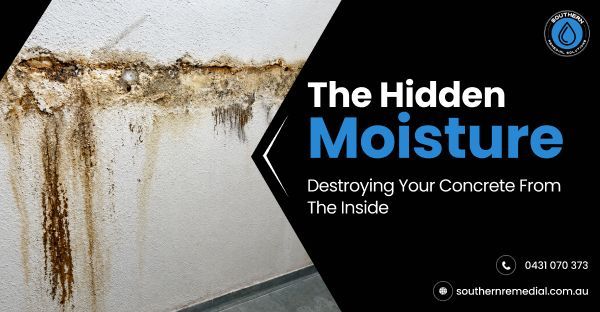
The hidden moisture destroying your concrete from the inside
By Zeke Stankov • October 2, 2026
We receive calls about damaged concrete every single day. A property owner called us just last week after a heavy storm. They pointed out a jagged driveway crack. The gap grew significantly over the winter months. The owner asked for a simple surface sealant. We always refuse quick cosmetic fixes. A cosmetic patch only hides a spreading structural disease. People often search for concrete crack repair near me , hoping for a fast patch. But you must fix the underlying moisture problem to achieve a lasting repair. Root-cause prevention always beats cosmetic band-aids. Concrete Functions as a Sponge, Not a Solid Stone Many people view a concrete slab as an impenetrable block of rock. This belief leads to terrible maintenance decisions. Concrete actually behaves like a hard sponge. The material contains millions of microscopic pores. Groundwater constantly seeps up into these tiny holes from the soil below. Rain also soaks in from above. Water immediately causes trouble. Age alone does not destroy a driveway. Normal wear does not cause the worst damage. Moisture expansion drives the entire deterioration process. Water swells inside the porous material. The swelling pressure breaks the chemical bonds holding the sand and stone together. The Expansion Cycle That Forces the Surface to Pop The porous structure traps water deep inside the slab. Temperatures drop rapidly overnight across many parts of Australia. The trapped water turns cold and expands. This internal pressure pushes aggressively against the solid material above it. The top layer simply cannot withstand the extreme upward stress. It shears off. Industry professionals call this destructive process scaling. The weather warms up the very next day. The slab shrinks back down to its normal size. This constant structural shifting weakens the entire mass. The cycle repeats itself every single season. The surface continuously pops and crumbles away. How Surface Chemicals Accelerate the Damage Homeowners often apply harsh chemical cleaners to remove stubborn driveway stains. People in colder regions sometimes use de-icing salts during winter frosts. These surface chemicals do much more than melt ice or lift oil spots. They actively attack the concrete. The caustic compounds dissolve the critical binding agents holding the aggregate together. The degraded surface then opens up even more microscopic pores. The compromised slab soaks in larger volumes of water. The chemical reaction significantly speeds up the moisture expansion cycle. You ruin your concrete faster by using these harsh products. Harmless Settling vs. Active Structural Failure Concrete naturally shrinks slightly as it dries after the initial pour. This normal drying process creates thin hairline cracks. These tiny surface fissures rarely threaten the health of the slab. But what happens when those cracks grow wider? Jagged splits clearly indicate an active structural failure. Ground moisture washes away the soil beneath the heavy slab. The concrete loses its firm foundation support. The heavy material snaps under its own massive weight. You must investigate the ground conditions in these cases. The Rebar Rust Multiplier Contractors often embed steel reinforcement bars inside slabs for extra tensile strength. Water eventually travels through the widened surface cracks. The moisture reaches this hidden steel. Continuous exposure causes the metal bars to rust. The oxidation process adds massive outward pressure to the internal structure. Some material specification charts state that rusting steel expands to four times its original volume. This rapid swelling acts like a slow explosion inside the slab. The expanding metal blows the concrete apart from within. You cannot stop this destructive process once the rust begins spreading. The Cosmetic Patching Mistake Hardware stores sell thousands of buckets of DIY crack fillers every year. Property owners buy these cheap products to save money on repairs. We strongly advise against using these temporary skim coats. A surface patch permanently traps existing moisture inside the damaged slab. The water cannot evaporate through the newly sealed top layer. The expansion cycle continues aggressively underneath the patch. The internal water pressure eventually pushes the fresh filler right out of the crack. You guarantee a failed repair when you ignore the trapped moisture. The patch inevitably crumbles into dust by the following season. The Professional Threshold for Full Replacement A proper repair strategy depends entirely on the condition of the foundation. Is the underlying soil completely stable? We can usually resurface the slab if it is. Dormant cracks. A firm base. These conditions allow us to apply a permanent structural overlay with confidence. But a total soil failure requires a full concrete replacement. We cannot save a sinking slab. Heavy rust on the internal rebar also forces a complete tear-out. Choosing full replacement prevents you from wasting money on a doomed structure. Anyone searching for concrete crack repair near me needs a professional who checks the foundation first. Closing Insight Treating concrete damage as a cosmetic annoyance only leads to repeated repairs. Lasting restoration requires stopping the water before you fix the surface.
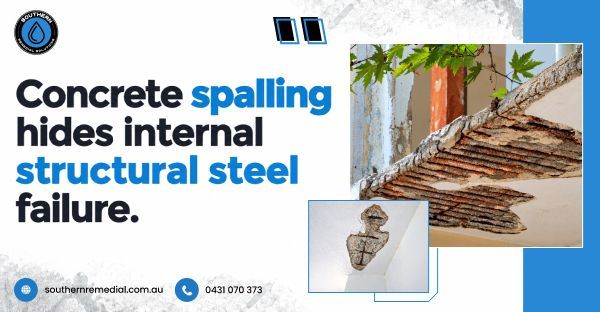
Concrete spalling hides internal structural steel failure.
By Zeke Stankov • September 28, 2026
Flaking concrete hides an active structural failure. Stop internal rust and avoid massive repair bills with expert Remedial Building solutions.
By Zeke Stankov • September 8, 2026
A crack appears across a concrete slab in a commercial property. It may look like a simple defect that needs filling. But that visible line may only be part of the problem. For a strata manager or property owner, the bigger question is whether the crack can be repaired by injection. You also need to know what caused it and whether the surrounding concrete needs further work. Concrete crack injection can form an important part of that process. Southern Remedial Solutions uses epoxy injection as one of its concrete repair methods across Wollongong and the greater Illawarra region. Its process starts with an assessment and diagnosis before the team prepares a remediation plan for the site. A Concrete Crack Needs Diagnosis Before Injection Not every concrete crack needs the same repair. A crack can develop because of movement, loading, shrinkage, water ingress, reinforcement corrosion or another underlying issue. Its location and condition also affect the repair approach. The American Concrete Institute notes that epoxy injection can work for certain structural cracks, but the method must suit the type and condition of the crack. That is why assessment comes first. Southern Remedial Solutions starts with an initial site assessment and detailed diagnosis. The findings then help shape a customised remediation plan. This process allows the team to look beyond the visible crack and identify other deterioration that may need attention. For example, reinforcement corrosion can cause cracking and spalling as the steel deteriorates. Injecting the crack would not, by itself, deal with the corroded reinforcement or damaged concrete. When Crack Injection Fits the Remedial Repair Plan Crack injection is one repair method within a broader remedial strategy. Southern Remedial Solutions offers crack repair alongside concrete repairs, spalling and concrete cancer repair, reinforcement corrosion treatment, waterproofing, joint repairs and structural rectification. That matters because a crack can sometimes point to a wider defect. Take concrete affected by reinforcement corrosion. The crack may be only one sign of what is happening inside the concrete. The repair may need to address the corrosion and any damaged concrete as well. The Injection Material Must Match the Crack The repair objective helps determine the right injection system. Southern Remedial Solutions specifically identifies epoxy injection as a concrete repair method. Epoxy can bond cracked concrete and help restore continuity across suitable structural cracks. ACI also identifies epoxy injection as a method for structural crack repair when the application is appropriate. Water changes the picture. A crack that actively allows water through may need a different repair strategy from a suitable dry structural crack. The material and application method need to suit the condition being treated. When Epoxy Injection Is Used for Structural Crack Repair Epoxy injection can penetrate a suitable crack and bond the concrete surfaces together. ACI describes its use for structural cracks in concrete elements such as foundations, columns, beams and bridge decks. Its guidance also identifies surface sealing, injection ports, resin and the delivery system as important parts of the process. But epoxy is not a universal answer. A crack that continues to move because of an unresolved issue may need a different repair approach. The repair therefore depends on more than how wide or visible the crack looks. What Happens During a Professional Crack Injection Repair The work starts before any resin enters the concrete. Southern Remedial Solutions describes a process that moves from consultation and preliminary assessment to detailed diagnosis, planning, implementation and quality control. This gives the repair team a basis for selecting a method that matches the condition of the concrete. Preparing the Crack and Setting Up Injection Points Preparation creates the conditions needed for the repair material to enter the crack effectively. Technical guidance for epoxy injection includes cleaning the affected area, sealing the crack surface and installing injection ports at suitable locations. The exact setup depends on the crack and the repair system being used. That is why crack injection is more involved than simply filling a visible line. Injecting, Curing and Checking the Repair Once the crack has been prepared, the repair material is introduced through the injection points. The material then needs to cure before the repair can be assessed and finished. ACI recognises post-repair checks as part of evaluating an epoxy injection repair. Southern Remedial Solutions also includes quality control during implementation as part of its repair process. The job does not end when the material enters the crack. Why Fixing the Crack Does Not Always Fix the Problem A crack can return when the condition that caused it remains. Reinforcement corrosion, ongoing movement, water ingress and other forms of deterioration can continue to affect concrete after the visible crack has been repaired. Southern Remedial Solutions approaches concrete remediation by assessing defects before developing a repair plan. This helps the team consider the wider condition of the concrete instead of treating every surface crack as an isolated problem. This matters when cracks appear alongside spalling, rust staining, water damage or other signs of deterioration. In those cases, crack injection may form one part of a larger remedial repair. When a Concrete Crack Needs Professional Assessment A recurring crack deserves a closer look. The same applies when cracking appears with water ingress, spalling, rust staining, damaged concrete or other building defects. These signs do not confirm a specific structural problem, but they can justify a professional assessment. Southern Remedial Solutions offers on-site inspections to assess the condition of the concrete and determine an appropriate repair approach. For a property owner or strata manager, that makes an assessment a better starting point than simply patching the visible crack. Concrete crack injection works best when it forms part of a diagnosed remedial repair plan. The cause, condition and purpose of the repair should guide the method, rather than the visible crack alone.
By Zeke Stankov • September 7, 2026
Picture a balcony edge with one thin crack and a faint rust-coloured streak below the crack. You could fill the crack and repaint the area, which may make it look better. But if moisture has reached the steel inside the concrete, the visible mark may only show the start of a larger problem. Concrete damage can extend further than the surface suggests. Southern Remedial advises identifying the cause before choosing a repair method. A quick patch can hide damage without stopping the process behind it. Not every crack needs major work, but changing cracks, recurring moisture, rust, movement and loose concrete deserve more attention. Cracks That Change Are More Important Than Cracks That Exist Sign 1: Cracks Are Widening, Spreading or Changing Direction Watch what the crack does over time. If it extends across a slab, opens further or reappears after repair, it may indicate ongoing movement in or around the concrete. If a changing crack has you searching for concrete crack repair near me , do not judge the problem by width alone. Location, pattern, nearby moisture and changes in the surrounding concrete add important context. Cracks around balcony edges, walls, beams or other structural elements need more care because a surface repair may not address the cause. Uneven Concrete Can Point to Movement Below the Surface A slab does not need to break apart before it causes trouble. Sign 2: Slabs Are Sinking, Lifting or Becoming Uneven A driveway section may drop while the next slab stays level, or one edge of a path might lift above the other. You might also notice adjoining slabs no longer meeting cleanly. Southern Remedial lists sunken and uneven concrete among the defects that may require remediation. Uneven concrete can create a trip hazard and may also change the way water drains around the slab. If the level keeps changing, patching the surface may not address the underlying cause, so the source of the movement needs assessment before repair. Water and Rust Can Reveal Deterioration Inside the Concrete Moisture can provide an early clue that damage extends below the surface because cracks and failed joints may give water a path into the concrete. Sign 3: Damp Patches or White Deposits Keep Returning A damp mark that returns deserves investigation, and white, powdery deposits can also indicate moisture movement. The term efflorescence describes these deposits, which form when water carries salts to the surface. Cleaning the stain may improve the appearance, but it does not stop the moisture source. The next step is to identify where the moisture is coming from before treating the surface. Sign 4: Rust Stains Are Appearing on the Surface Rust-coloured streaks sometimes signal corrosion of steel reinforcement below the surface. The corrosion products that form on reinforcing steel occupy more volume than the original steel. As they build up, they press against the surrounding concrete. That pressure can contribute to cracking, delamination or spalling. Treat the cause before covering the stain, because painting over it does not address corrosion that may already be occurring inside the concrete. Surface Breakdown Can Mean the Concrete Is Losing Integrity Once concrete starts breaking away, the problem has moved beyond simple discolouration. Sign 5: Concrete Is Spalling, Flaking or Sounding Hollow Spalling may appear as small flakes or as larger sections breaking from the surface, while some damaged areas sound hollow, or “drummy,” during an inspection. A hollow sound may point to separation beneath the surface. The visible edge may not show the full affected area. A lasting repair usually requires removal of loose material and treatment of the cause. Sign 6: Reinforcement Is Becoming Visible Exposed reinforcement gives you a clear reason to seek professional advice. If deterioration has exposed the reinforcement, that area has already lost its concrete cover. A cosmetic patch can leave the underlying problem active. A contractor needs to assess the steel and the surrounding concrete, and if corrosion has reduced the reinforcement, the job may also require engineering input. Recurring Damage Suggests the Root Cause Is Still Active The repair history often tells you as much as the defect itself. Sign 7: Cracks, Patches or Surface Damage Keep Coming Back When the same crack reopens, the first repair may have treated only the symptom, while recurring paint blistering may suggest that moisture remains involved. If a patched area starts breaking down, ask whether the original repair dealt with the cause. Ongoing movement is one possibility. In other cases, water may still be entering or reinforcement may continue to corrode beneath the patch. The right repair depends on which process drives the failure. When Professional Assessment Becomes the Practical Next Step Book an assessment when damage keeps changing or returns after repair. Rust staining, exposed steel, loose concrete, persistent moisture or noticeable movement also justify a closer look. When a search for concrete crack repair near me leads you to several providers, favour one who assesses the cause before proposing a patch. Not every small defect needs a major project, but a neat surface repair makes little sense if the concrete needs diagnosis first. The most useful question is not, “How bad does this look?” but “Is something still causing this damage?” If the answer may be yes, professional assessment gives you a better starting point than another patch.
By Zeke Stankov • August 27, 2026
Picture a strata manager inspecting the underside of a balcony after rain, where a narrow rust stain runs from a small crack near the edge. Most of the concrete still feels solid, so a surface patch might seem reasonable. That stain matters because corrosion can already be active inside the concrete. Rust stains, cracking and exposed reinforcement can point to corrosion beneath the surface. Southern Remedial identifies these as warning signs that may extend beyond the visible damage. In remedial building work, covering the defect comes after diagnosis. First establish what caused the steel to corrode, then determine how far the deterioration extends. Corrosion Begins When Reinforcement Loses Its Protection Concrete does more than hold reinforcing steel in position because its alkaline environment also helps protect the steel from corrosion. Over time, carbonation or chloride exposure can weaken that protection. Carbon dioxide can enter the concrete and cause carbonation, which lowers the alkalinity around the reinforcement as it advances. Once carbonation lowers the alkalinity around the steel enough to weaken its protective environment, corrosion can start when moisture and oxygen are present. Carbonation Changes the Concrete Around the Steel Carbonation usually progresses from the exposed surface towards the reinforcement. Owners cannot see this chemical change from outside the building. Meanwhile, the environment around the steel can become less protective even when the concrete still looks sound. As a result, the loss of protection around the reinforcement may progress beneath the surface before any visible warning sign appears. Chlorides Can Trigger Localised Corrosion Chlorides can enter concrete when salt-containing moisture reaches and moves through the concrete. When enough chloride reaches the reinforcement, it can disrupt the protective layer around the steel and allow corrosion to begin. This issue deserves particular attention where concrete faces salt exposure or persistent moisture. Moisture, oxygen and reactive ions can support the electrochemical reactions involved in ongoing corrosion. Expanding Corrosion Forces the Concrete Apart Steel corrosion can do far more damage than leave a visible stain. As steel corrodes, corrosion products form around the bar and can occupy more volume than the steel lost during corrosion. Their expansion places pressure on the surrounding concrete. Although concrete handles compression well, expansion around the reinforcing bar creates tensile stress in the concrete cover. Cracks can then form. As corrosion continues, those cracks may join and spread along the reinforcement. Concrete can start to delaminate, and pieces may eventually loosen or fall away. How Surface Symptoms Progress A rust stain or fine crack may provide the first visible sign. Later stages can show bulging concrete, hollow-sounding areas or broken sections around the reinforcement. Exposed steel can indicate more advanced deterioration. By then, the structure may already have lost some of the concrete cover that helped shield the reinforcement from the surrounding environment. Visible Spalling Rarely Defines the Full Repair Area The repair boundary can extend well beyond the visible break. A spall shows where deterioration has reached the surface, not where corrosion starts and stops. Corrosion may continue along reinforcement behind concrete that still looks sound. Delamination can spread beyond the crack or missing section. Southern Remedial therefore recommends inspection and mapping of affected areas before setting the repair scope. What a Condition Assessment Needs to Confirm To establish that boundary, an assessment should determine how much concrete has become unsound and check the condition of the reinforcement. Inspectors then look for the conditions that allowed corrosion to develop. Those conditions may include cracks, failed waterproofing, leaking joints, drainage problems or ongoing moisture entry. The findings should guide the repair scope. A Durable Repair Must Address the Cause, Not Just the Spall A quick patch can restore the appearance of a small damaged area with less immediate work. That approach can make sense when an assessment confirms that the problem remains genuinely local. The risk comes from assuming that every small spall represents a small corrosion problem, so the repair scope should follow the extent of deterioration found during assessment. If a patch leaves affected reinforcement or ongoing moisture untreated, the conditions that support corrosion may remain. The repaired surface may look sound while deterioration continues nearby, so the repair should address the underlying corrosion conditions as well as the visible damage. That is wh y remedial building work should follow the diagnosis rather than the size of the visible patch. When Localised Concrete Repair May Be Suitable Local repair can suit a clearly defined area when the surrounding concrete remains sound and the investigation finds no wider deterioration. Even a small repair needs proper preparation. The contractor needs enough access to the affected reinforcement and to sound concrete around the repair zone. When Broader Corrosion Control May Be Needed The scope may need to address larger areas of damaged concrete, ongoing water entry, failed protective systems or continuing corrosion beyond the original defect. Inspection findings should help determine which measures the building needs. Certain Signs Make Spalling a More Urgent Problem Not every surface mark signals a structural emergency. Clear signs of corrosion still deserve more than a cosmetic response. Loose concrete creates an obvious safety concern where people or property sit below it. Exposed reinforcement, widening cracks, hollow areas and recurring deterioration around previous repairs also justify prompt investigation. Early assessment helps the owner decide whether the building needs a limited repair or broader remediation. The visible spall marks the point where an internal process has reached the surface. A sound repair strategy starts by identifying that process, then defines the affected area and addresses the conditions that may allow corrosion to continue.
By Zeke Stankov • August 19, 2026
A strata committee in Wollongong reviewed quotes for a damaged balcony edge. One contractor offered a quick patching job for a few hundred dollars. Another quoted four thousand dollars to expose the steel, treat the rust and apply a waterproof membrane. The committee picked the cheaper quote. The cosmetic patch fell off six months later as rust continued to spread along the reinforcement. The building now faces a forty-thousand-dollar structural repair bill. For strata managers comparing concrete repair and waterproofing Wollongong services, this example shows why addressing the source of moisture matters just as much as repairing the visible concrete. A Cheap Repair Can Hide a Much Bigger Problem Visible concrete damage rarely tells the whole story. A surface crack usually points to trouble deep inside the slab. Water seeps through the opening and finds the steel reinforcement. The wet steel rusts and expands, physically pushing the concrete outward from the inside. A cheap repair merely covers this exit wound. The trapped moisture remains inside the structure while corrosion continues unseen behind the new render. Stopping this cycle requires digging out the rusted metal rather than just painting over the crack. The Patch Looks Fixed, but the Damage Keeps Moving Take a retaining wall in a damp Southern Highlands basement. A worker trowels standard mortar into a large gap without checking the drainage behind the wall. The surface looks perfect for a few weeks until external water pressure finds a new path around the rigid patch. The moisture creates two fresh cracks next to the original one. The property owner now pays for excavation, an agricultural drain and a completely new wall repair. The Real Cost Starts When the Cause Is Missed Treating symptoms guarantees a repeat visit by the contractor. Water pooling on a flat roof requires a different solution than a foundation shifting on reactive clay. A contractor must find the specific source before mixing any repair compounds. Proper diagnostics take hours of labour, and bargain quotes rely on getting the crew to the next job quickly. The worker fills the hole while a failed roof flashing continues to funnel rainwater into the wall cavity. Mixing fresh concrete before finding the leak guarantees a failed repair. Cracks, Rust, and Spalling Do Not All Mean the Same Thing Different signs demand unique approaches. A slab naturally shrinks as it cures to leave a harmless two-millimetre gap. A simple flexible sealant handles this minor defect. Rust stains indicate an active chemical reaction requiring steel treatment and anti-carbonation coatings. Extensive concrete spalling leaves the internal reinforcement completely exposed to the elements. Using standard mortar to treat all three defects ensures the underlying problem will return. Cheap Materials Are Not Always Cheap Over the Repair's Life Standard cement render costs very little per bag. A bucket of high-build epoxy mortar requires a larger upfront investment. These epoxy products physically lock into the substrate to block moisture penetration. The difference becomes glaringly obvious after a few years of coastal weather. A basic cosmetic render absorbs water and breaks down rapidly under salt attack. A coastal repair needs materials engineered for marine exposure rather than standard hardware store cement. Where Cutting Preparation Can Shorten the Repair's Life Contractors offering the lowest quotes usually cut corners during surface preparation. A durable repair requires removing all unsound concrete around the defect. The worker must also clean the rusted steel back to bright metal before applying protective primers. Putting fresh mortar over untreated, rusty steel ensures that the ongoing corrosion will push the new patch off the wall. The fresh patch will only stay attached if the steel underneath is completely clean and primed. The Lowest Quote May Not Cover the Work You Actually Need You must read beyond the bottom line when comparing quotes. A bare-bones proposal leaves you exposed to variation fees once the contractor discovers more serious damage. A comprehensive quote details the exact breakout methods, site access costs and protective coatings upfront. It outlines the entire process from site setup to final inspection. A detailed proposal transfers the financial risk from the property owner back to the contractor. Questions to Ask Before Accepting a Concrete Repair Quote Compare your quotes by asking each contractor about their methodology. Ask them to identify the root cause of the damage. Request details on how they plan to prepare the surface down to solid concrete. You might also ask whether a structural crack requires epoxy injection , while an active water leak may call for polyurethane injection or an entirely new membrane system. A trustworthy quote puts the preparation steps and material choices in writing. When Repairing Now Costs Less Than Waiting A small defect left alone becomes a structural hazard within a few seasons. The required breakout area grows larger every month the steel remains exposed to the air. Fixing a focused patch requires minimal demolition and a few hours of labour. Replacing an entire crumbled section demands heavy equipment and structural propping. Booking the repair at the first sign of rust keeps the scope of work small. A Balcony, Car Park, or Apartment Block Can Change the Equation Scale magnifies the cost of delaying the work. A crumbling ceiling in a Sydney commercial car park forces management to close valuable parking bays. The repair crew must install heavy structural props before touching the concrete. The logistical nightmare of redirecting tenants and losing revenue often costs more than the remedial materials. Factoring access and disruption into your decision makes a fast, cheap patch look incredibly risky. The Smarter Question Is Not “How Cheap Is the Repair?” Reframing your buying decision helps you spot false economies. You need to know how long the patch will survive the weather and whether the contractor actually addressed the underlying moisture problem. A cheap cosmetic fix leaves your building vulnerable to the exact same damage. Funding a thorough diagnostic and a professional remedial system stops the corrosion cycle permanently.
By Zeke Stankov • August 17, 2026
A 1990s brick walk-up in Wollongong develops water-filled paint bubbles on a balcony ceiling. The owner hires a painter after a bad coastal storm. The painter applies a fresh coat of exterior acrylic over the scraped concrete. The ceiling looks perfectly intact for a month. A November southerly hits. The bubbles come right back. We see this specific cycle constantly. Contractors often default to surface sealing without questioning the source. We believe this approach borders on negligence. Proper waterproofing in Illawarra requires tracing the moisture back to its origin. The Damp Patch Is Often Not Where Water Gets In Water follows gravity and building geometry. Moisture easily travels through internal wall cavities. It moves down the hollow cores of blockwork. Water can enter a third-floor expansion joint. The moisture might then emerge through a ground-floor light fitting. Gravity pulls the liquid downward. A solid obstacle eventually blocks the flow. The water pools against that barrier. It eventually soaks through to the visible surface. A ceiling stain rarely aligns perfectly with the exterior breach. Why Sealing the Visible Leak Can Fail Again Applying a patch over a damp spot traps moisture inside the wall cavity. When the original entry point remains active The exterior defect remains completely open to the weather. Rain continues to enter the structure. This ongoing moisture hits the new internal patch. Hydrostatic pressure builds up behind the fresh sealant. This pressure pushes the patch right off the concrete. Trapped water also attacks the internal steel reinforcement. Rusting steel expands. This expansion blows the face off the concrete. Fixing that spalled concrete requires expensive remedial building work. When the leak has more than one pathway A building rarely fails in just one isolated spot. A deteriorated window flashing often sits right above a cracked render system. Blocking the window leak simply forces the trapped water into the render crack. The moisture travels further down the wall structure. It eventually ruins the flooring below. We look for interconnected failures to avoid chasing leaks around a property. What a Proper Water Ingress Investigation Looks For A specialist works backward from the visual damage. Tracing the moisture path back to its source We start at the Wollongong balcony ceiling. We look for pathways above the stain. We flood-test the tiled deck directly overhead. We inspect the perimeter cavity flashings for accumulated debris. The actual issue is frequently a blocked weep hole hidden behind a skirting tile. We locate the true origin point through methodical testing. Separating the symptom from the building defect Staining indicates trapped moisture. A contractor might treat a ceiling stain with bleach. This cosmetic fix ignores the torn polyurethane membrane on the roof above. We find the membrane tear first. The surface stain gets addressed last. The Building Defects That Commonly Keep Water Coming Back Moisture typically enters through practical failure points in the exterior envelope. Cracks, joints and movement Buildings shift slightly as temperatures rise and fall. Applying a hard epoxy over an active expansion joint guarantees a fresh crack. The joint requires a flexible sealant to accommodate the thermal movement. Structural settlement also creates new pathways through concrete slabs over time. Waterproofing and drainage failures Standard liquid-applied polyurethane membranes generally turn brittle after a decade of coastal sun exposure. A brittle membrane develops micro-cracks. Water pools around a blocked floor waste. The liquid easily finds these microscopic flaws. You have to fix the drainage falls to protect the membrane system. Why the Repair Method Depends on What Caused the Ingress Different water pathways require entirely different technical interventions. When crack injection makes sense A specialist pumps hydrophobic polyurethane resin deep into a static concrete fissure. The resin reacts with the moisture inside the slab. It expands up to twenty times its original volume to block the pathway. This technique seals dormant structural cracks exceptionally well. However, injection fails completely on moving joints. An active settlement crack will tear the cured resin apart within months. When waterproofing or structural repair is needed A localized injection cannot fix a widespread membrane failure. Rusted internal rebar demands rust converters and specialized repair mortars. We refuse to apply cosmetic surface coatings over untreated spalled concrete. The structural integrity must be restored before applying any finishing product. A Lasting Repair Starts Before the First Patch Is Applied We returned to that Wollongong balcony property. We found blocked weep holes behind the skirting tiles on the upper deck. Clearing those drains allowed the internal cavity to dry out. We verified the upper deck was fully watertight. We only scraped and repainted the ceiling after that confirmation. The ceiling remains dry three years later. Lasting remedial building targets the start of the water's journey. You stop the breach at the source. The cosmetic finish is simply the final step. Reliable waterproofing in Illawarra demands this exact sequence.
technician holding a clipboard and pen
  • Get in Touch

    We hope you enjoy reading this blog post!


    If you need specialist remedial building works in Wollongong, Sydney, or the South Coast, look no further than Southern Remedial Solutions. We use industry-leading technologies to deliver high-quality solutions to our clients.


    Get in Touch


We hope you enjoy reading this blog post!

If you need specialist remedial building works in Wollongong, Sydney, or the South Coast, look no further than Southern Remedial Solutions. We use industry-leading technologies to deliver high-quality solutions to our clients.