Why Concrete Spalling Is More Than a Cosmetic Building Defect
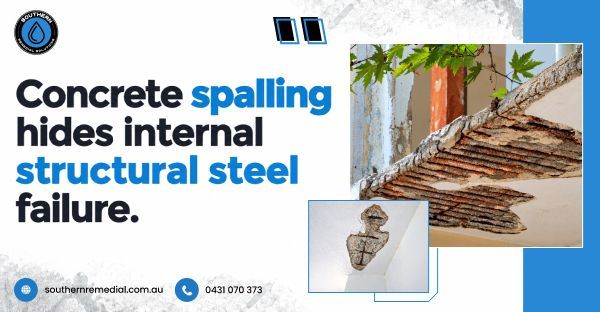
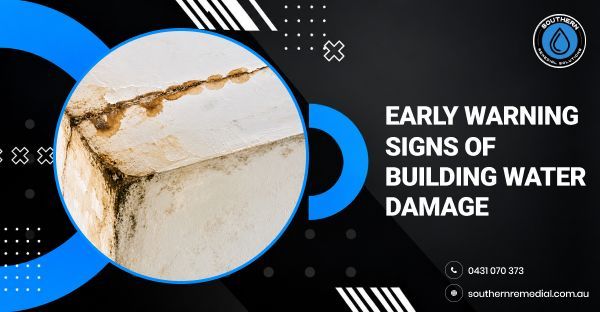
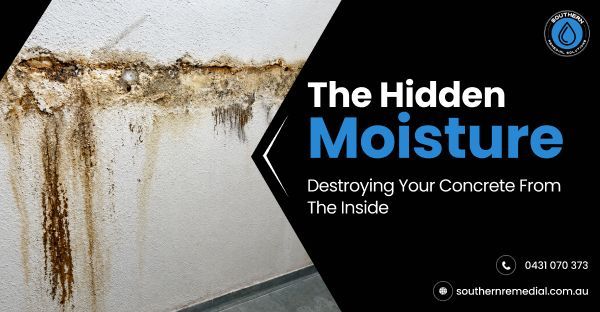
A property owner in Wollongong recently asked us to inspect a rust stain on their balcony ceiling. They wondered about simply scraping the area and painting over it. We gave them a direct answer. That stain represents an active structural failure. It tells you the steel inside your concrete has started to corrode. Any expert in remedial building will treat these signs with extreme urgency. You need a permanent structural solution. You must fix the root moisture cause to protect your property.
Visible Concrete Damage Is Actually Internal Steel Expanding
Concrete spalling does not start at the surface. The destruction process begins deep inside the slab. Water and oxygen slowly penetrate the porous material. These elements eventually reach the internal reinforcement bars. This exposure causes the metal to rust. The rusting creates a massive physical change. Engineers estimate the corroding metal expands several times its original size. That expansion generates extreme internal pressure. The concrete matrix simply cannot contain this outward force. It violently blows apart from the inside out. The flaking surface is just the final stage of this destruction. You are looking at a failing structural steel core rather than a simple surface defect.
Why Rendering Over Exposed Rebar Accelerates the Destruction
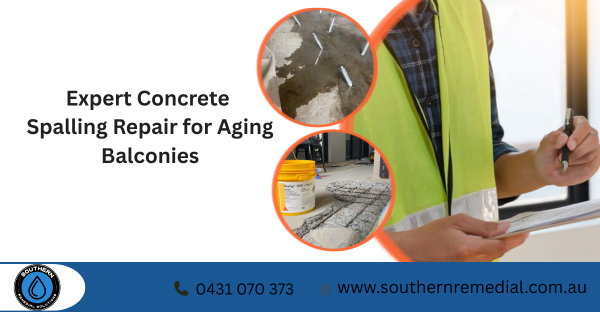
Many people assume a quick coat of render will fix the damaged area. They hire someone to patch over the exposed steel for a better appearance. This cosmetic approach guarantees a much larger failure. Patching over the spall never solves the underlying problem. It actually traps existing moisture inside the slab. The new patch seals the water directly against the already corroded steel. This environment speeds up the internal deterioration of the reinforcement. The steel continues to rust and expand directly behind the new layer. Fresh render will soon crack and fall away. The structural damage worsens significantly during that time. You must expose the affected steel completely to stop the decay.
Tracing the Moisture Path Before Applying Repair Mortar
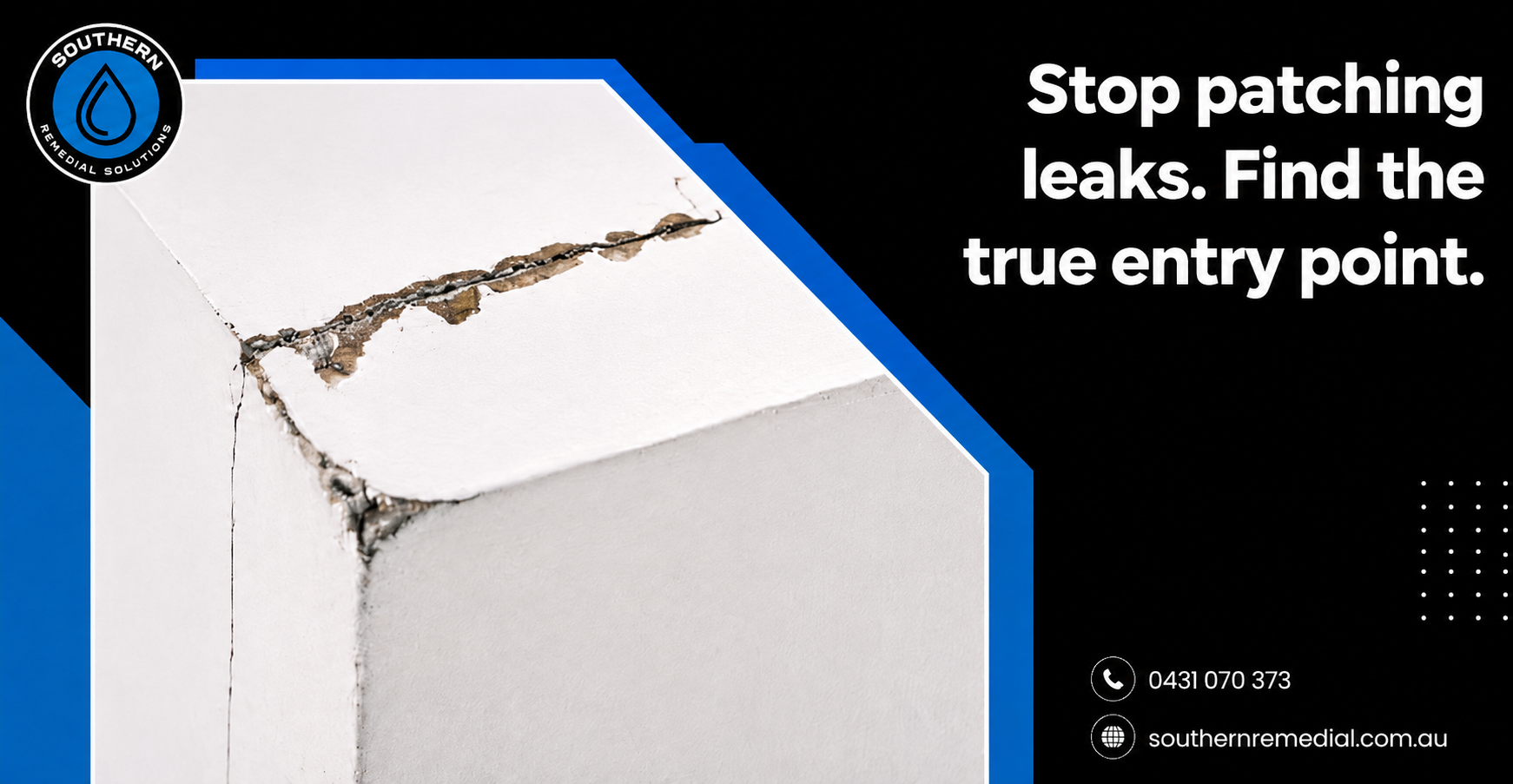
You cannot treat concrete cancer permanently without finding the original source of the water. Moisture always finds a specific path into the structure. Diagnosing and fixing this primary leak comes first. Applying repair mortar before stopping the water intrusion wastes your effort. The water will just continue to attack the steel from a different angle. High-quality waterproofing in Wollongong forms the foundation of any successful restoration project. Our team always tracks the moisture path before mixing any mortar. We trace the water back to its exact entry point. Fixing that leak ensures the structural repair actually lasts.
Common Water Ingress Points in Coastal NSW Properties
Coastal environments place heavy stress on all building materials. Buildings in the Illawarra region face severe weather conditions daily. What are the most common entry points? Failed balcony membranes frequently let water seep into the slab below. Compromised expansion joints provide another easy path for rain. The coastal climate also brings a constant supply of salt-laden air. This salty moisture easily penetrates porous masonry. Areas with inadequate concrete cover fail just as quickly. The salt drastically accelerates the rusting process upon reaching the steel. A proper assessment uncovers these vulnerabilities before the repair work begins. You must identify and seal these specific ingress points.
The Tipping Point Between Localised Repair and Steel Replacement
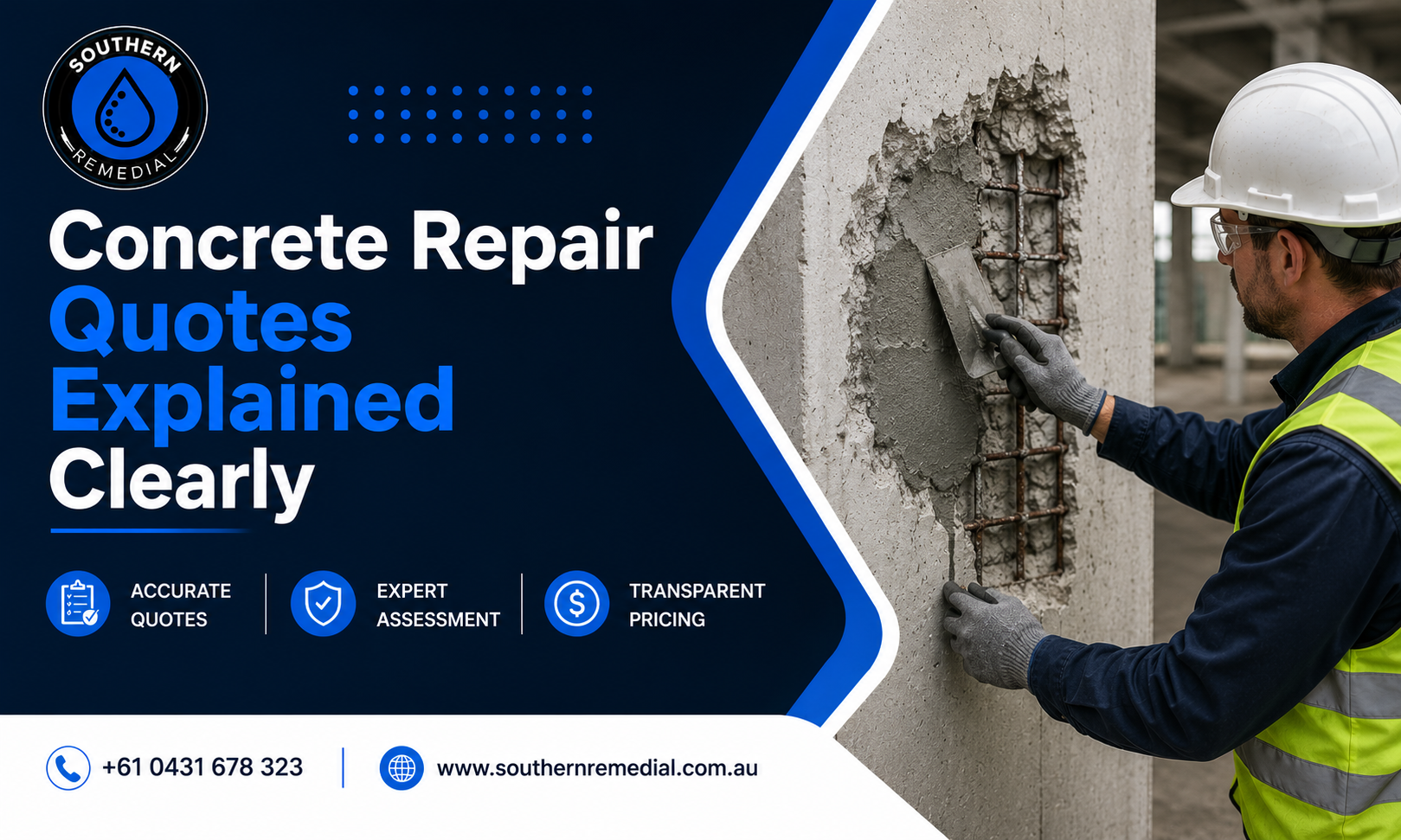
Timing plays a crucial role in the success of any concrete repair. You face a clear tipping point between a simple localized fix and a major structural project. Early intervention allows a remedial building contractor to save the existing reinforcement bars. We can cut away the damaged concrete and clean the surface rust. We then apply specialized protective coatings to the healthy steel. This early action keeps your repair costs low. Delaying the repair changes the entire scope of the project. The steel eventually rusts away completely. These delays force builders to install expensive structural propping. Crews must cut out and replace the entire reinforcement system. You avoid these massive financial consequences by acting quickly.
Closing Insight
Concrete spalling is never a static condition. The internal corrosion process continues every single day. Treating the visible symptom while ignoring the trapped moisture is a terrible strategy. You must stop the water intrusion first. The best approach to waterproofing in Wollongong stops the decay at its source. You can then repair the structural steel properly. Take immediate action at the very first sign of rust or flaking concrete.