6 Silent Indicators Your Building's Waterproofing Has Already Failed
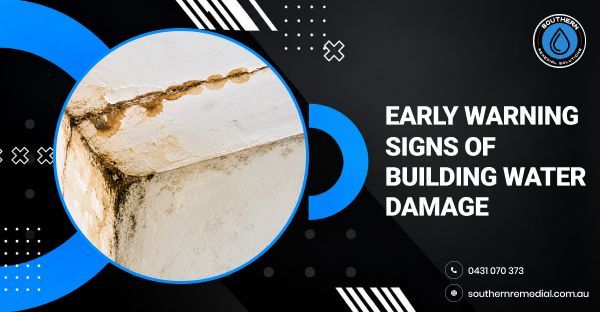
Property owners frequently ask us about ground-floor brick walls. The paint keeps bubbling just months after a fresh coat. People usually blame a bad batch of acrylic. Sometimes they suspect poor surface preparation. Trapped water almost always drives this specific failure. Treat these minor aesthetic issues as urgent structural alerts. Proactive intervention stops the moisture. It also keeps internal steel reinforcements intact. Hiding the problem simply lets the internal damage spread. Catch these six early warning signs to protect your property value.
Blistering Paint Masks Deeper Substrate Moisture
A scraper and a new coat of acrylic cannot fix bubbling masonry paint. Hydrostatic pressure actively pushes groundwater outward through the porous render. This trapped moisture breaks the physical bond between the paint and the wall surface. Repainting over the area traps the water inside all over again. Blistering will return within a few short months. Finding the external water entry point comes first. A professional contractor can track the source of the pressure. Stopping the water at the exterior permanently solves the issue.
White Powdery Residue Maps the Path of Water Ingress
Owners often mistake white residue on brickwork for surface dirt. Building professionals call this chalky substance efflorescence. It acts as a visible map of active water migration. Rainwater absorbs natural mineral salts while traveling through masonry blocks. The water eventually reaches the exterior wall. It evaporates into the air. This process leaves crystallized salts behind. Those salts prove water is moving completely through the internal structure. Never ignore this clear sign of active water ingress.
Differentiating Efflorescence From Surface Dust
Try a simple tap water test before calling an inspector. Spray a small amount directly onto the white mark. Just surface dust? It turns into mud and washes away completely. Efflorescence behaves differently. It briefly dissolves into the water and disappears from view. The wall will then dry. The white crystals will reappear exactly as before once the moisture evaporates. This chemical reaction confirms an active leak. Confidently schedule a comprehensive waterproofing assessment next.
Rust Bleed Signals the Early Stages of Concrete Cancer
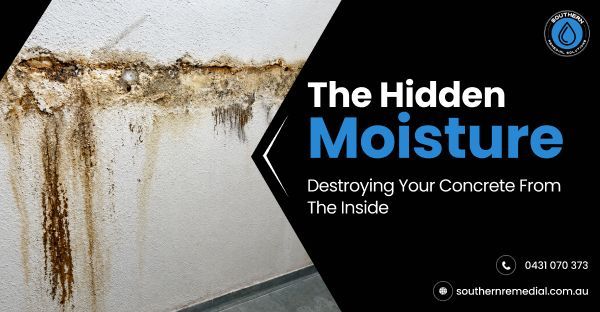
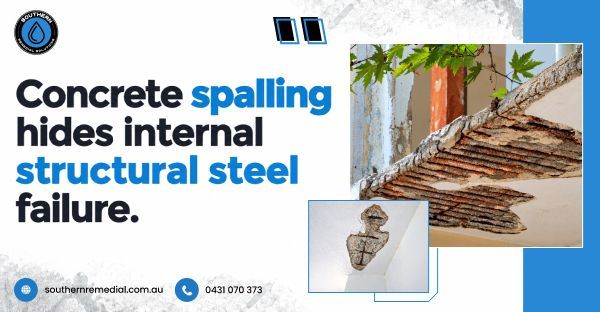
Brown stains leaching from concrete surfaces require decisive action. These rust marks indicate a breached external waterproofing membrane. Moisture is actively corroding the internal steel reinforcement bars. Engineering reports estimate that rust expands up to several times its original volume. This rapid expansion creates immense pressure within the solid slab. The pressure eventually fractures the surrounding masonry. We call this concrete cancer. It rapidly destroys load-bearing capacity. At this severe stage, standard patching fails. The slab will require structural epoxy injection to stabilize the damage. Address rust bleed early to save the concrete.
Unexplained Subfloor Odors Indicate Trapped Cavity Dampness
People often blame musty indoor smells on poor ventilation. Unpleasant odors frequently point to a failed damp-proof course instead. A compromised layer allows groundwater to rise directly into wall cavities. Rising damp creates stagnant moisture pockets. These form in dark areas of the building. Mold thrives in these hidden spaces. Adding ventilation fans will never solve the underlying structural issue. The moisture will continue rotting timber frames. It will degrade the plasterboard until a professional restores the physical barrier beneath the floor.
Timber Expansion Suggests Changing Structural Humidity
Buildings use mechanical changes to signal an increase in humidity. Persistently sticky doors provide a reliable warning. Warped skirting boards carry a similar message. The surrounding building envelope is actively absorbing water. Timber acts like a sponge near damp masonry. Wood swells as it takes on ambient moisture. Planing the door edges only offers a temporary fix. Investigate the exterior waterproofing whenever interior doors suddenly stop closing properly. Finding the source of the dampness protects your remaining timber fixtures.
Micro-Cracking Near Joint Sealants Reveals Membrane Fatigue
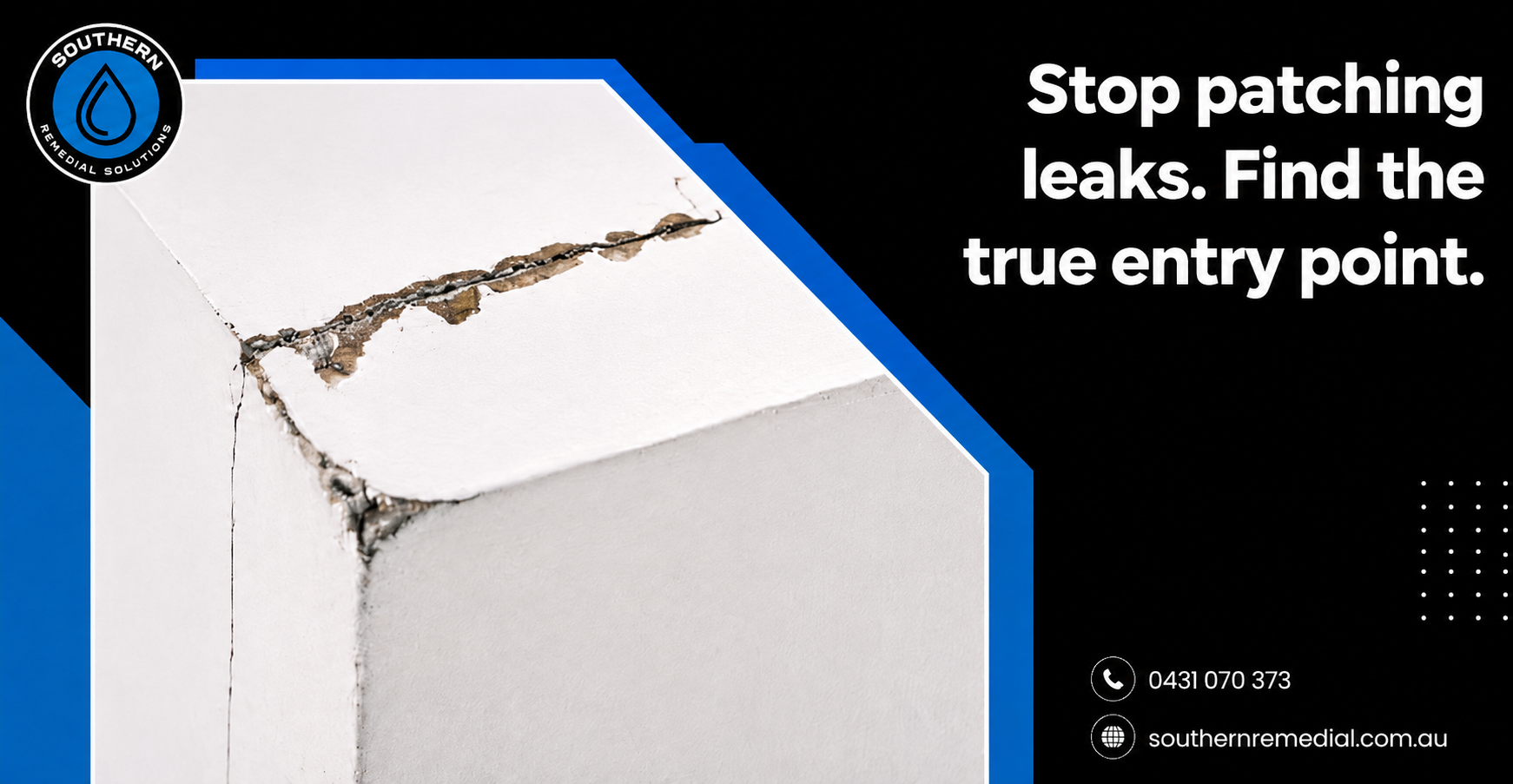
Joint sealants act as the critical first line of defense. UV radiation and harsh weather exposure degrade these flexible materials over time. The sealants become brittle. They completely lose their ability to stretch with building movement. Small cracks begin forming along the outer edges of expansion joints. Water easily exploits these tiny gaps. It bypasses the primary waterproofing membrane entirely. Moisture then travels freely into deeper building cavities. Replace fatigued sealants before water penetrates those structural layers.
The Financial Trade-Off: Resealing vs. Crack Injection
Proactive sealant replacement makes excellent financial sense. Replacing external weatherproofing remains a relatively minor expense. Ignoring deteriorated sealants allows water to aggressively fracture the underlying substrate. Repairing a full structural breach often requires complex epoxy injection to fill the voids. Contractor guidelines note this process costs significantly more than routine joint resealing. Protect your maintenance budget by acting at the first sign of cracking. Catching the issue early prevents a minor repair from becoming a major construction project.
Visible indoor puddles rarely mark the beginning of a waterproofing problem. These dramatic leaks usually represent the final stage of a prolonged structural failure. Water has likely degraded the building envelope for years. You secure the long-term health of your property by monitoring for subtle changes. Bubbling paint. Are the internal doors suddenly sticking? Keep a close eye on the concrete surfaces too. Early detection remains the most effective tool in building maintenance. Addressing these silent indicators immediately saves thousands of dollars.