The Cheapest Concrete Repair Can Become the Most Expensive One

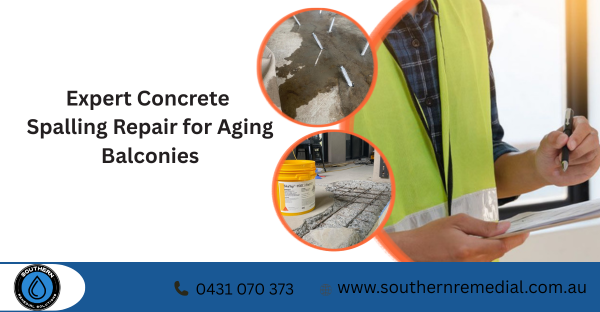
A strata committee in Wollongong reviewed quotes for a damaged balcony edge. One contractor offered a quick patching job for a few hundred dollars. Another quoted four thousand dollars to expose the steel, treat the rust and apply a waterproof membrane. The committee picked the cheaper quote. The cosmetic patch fell off six months later as rust continued to spread along the reinforcement. The building now faces a forty-thousand-dollar structural repair bill. For strata managers comparing concrete repair and waterproofing Wollongong services, this example shows why addressing the source of moisture matters just as much as repairing the visible concrete.
A Cheap Repair Can Hide a Much Bigger Problem
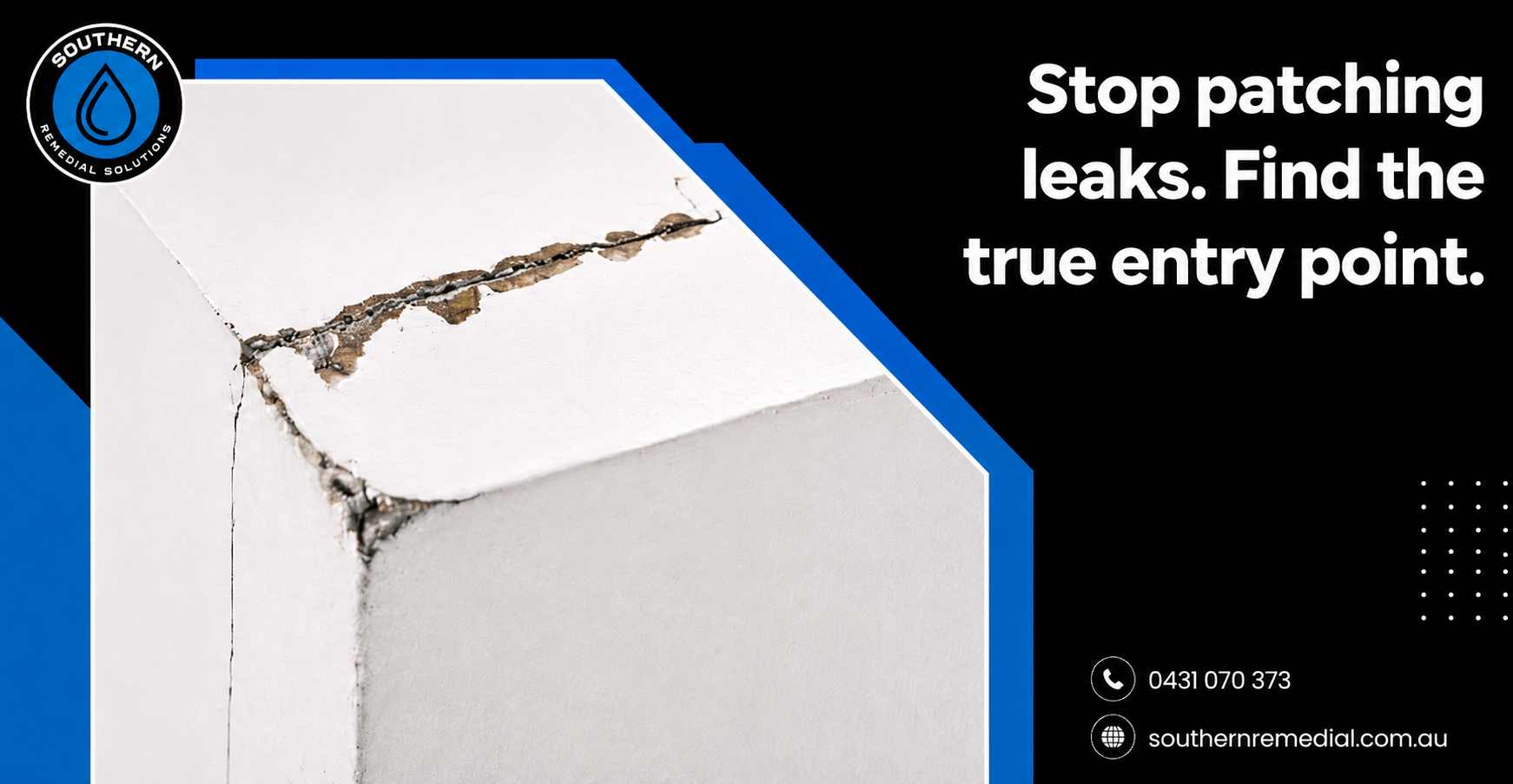
Visible concrete damage rarely tells the whole story. A surface crack usually points to trouble deep inside the slab. Water seeps through the opening and finds the steel reinforcement. The wet steel rusts and expands, physically pushing the concrete outward from the inside. A cheap repair merely covers this exit wound. The trapped moisture remains inside the structure while corrosion continues unseen behind the new render. Stopping this cycle requires digging out the rusted metal rather than just painting over the crack.
The Patch Looks Fixed, but the Damage Keeps Moving
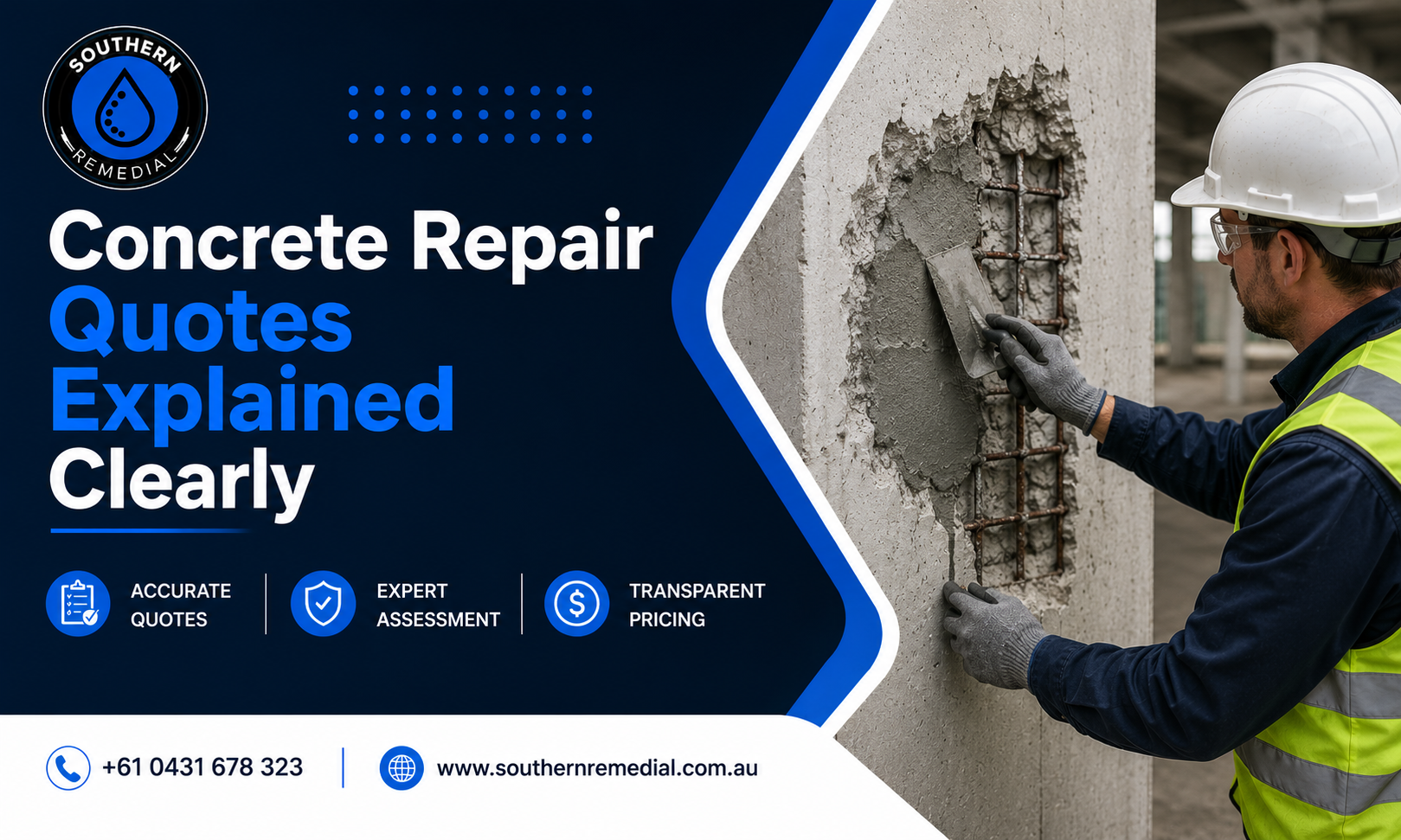
Take a retaining wall in a damp Southern Highlands basement. A worker trowels standard mortar into a large gap without checking the drainage behind the wall. The surface looks perfect for a few weeks until external water pressure finds a new path around the rigid patch. The moisture creates two fresh cracks next to the original one. The property owner now pays for excavation, an agricultural drain and a completely new wall repair.
The Real Cost Starts When the Cause Is Missed
Treating symptoms guarantees a repeat visit by the contractor. Water pooling on a flat roof requires a different solution than a foundation shifting on reactive clay. A contractor must find the specific source before mixing any repair compounds. Proper diagnostics take hours of labour, and bargain quotes rely on getting the crew to the next job quickly. The worker fills the hole while a failed roof flashing continues to funnel rainwater into the wall cavity. Mixing fresh concrete before finding the leak guarantees a failed repair.
Cracks, Rust, and Spalling Do Not All Mean the Same Thing
Different signs demand unique approaches. A slab naturally shrinks as it cures to leave a harmless two-millimetre gap. A simple flexible sealant handles this minor defect. Rust stains indicate an active chemical reaction requiring steel treatment and anti-carbonation coatings. Extensive concrete spalling leaves the internal reinforcement completely exposed to the elements. Using standard mortar to treat all three defects ensures the underlying problem will return.
Cheap Materials Are Not Always Cheap Over the Repair's Life
Standard cement render costs very little per bag. A bucket of high-build epoxy mortar requires a larger upfront investment. These epoxy products physically lock into the substrate to block moisture penetration. The difference becomes glaringly obvious after a few years of coastal weather. A basic cosmetic render absorbs water and breaks down rapidly under salt attack. A coastal repair needs materials engineered for marine exposure rather than standard hardware store cement.
Where Cutting Preparation Can Shorten the Repair's Life
Contractors offering the lowest quotes usually cut corners during surface preparation. A durable repair requires removing all unsound concrete around the defect. The worker must also clean the rusted steel back to bright metal before applying protective primers. Putting fresh mortar over untreated, rusty steel ensures that the ongoing corrosion will push the new patch off the wall. The fresh patch will only stay attached if the steel underneath is completely clean and primed.
The Lowest Quote May Not Cover the Work You Actually Need
You must read beyond the bottom line when comparing quotes. A bare-bones proposal leaves you exposed to variation fees once the contractor discovers more serious damage. A comprehensive quote details the exact breakout methods, site access costs and protective coatings upfront. It outlines the entire process from site setup to final inspection. A detailed proposal transfers the financial risk from the property owner back to the contractor.
Questions to Ask Before Accepting a Concrete Repair Quote
Compare your quotes by asking each contractor about their methodology. Ask them to identify the root cause of the damage. Request details on how they plan to prepare the surface down to solid concrete. You might also ask whether a structural crack requires epoxy injection, while an active water leak may call for polyurethane injection or an entirely new membrane system. A trustworthy quote puts the preparation steps and material choices in writing.
When Repairing Now Costs Less Than Waiting
A small defect left alone becomes a structural hazard within a few seasons. The required breakout area grows larger every month the steel remains exposed to the air. Fixing a focused patch requires minimal demolition and a few hours of labour. Replacing an entire crumbled section demands heavy equipment and structural propping. Booking the repair at the first sign of rust keeps the scope of work small.
A Balcony, Car Park, or Apartment Block Can Change the Equation
Scale magnifies the cost of delaying the work. A crumbling ceiling in a Sydney commercial car park forces management to close valuable parking bays. The repair crew must install heavy structural props before touching the concrete. The logistical nightmare of redirecting tenants and losing revenue often costs more than the remedial materials. Factoring access and disruption into your decision makes a fast, cheap patch look incredibly risky.
The Smarter Question Is Not “How Cheap Is the Repair?”
Reframing your buying decision helps you spot false economies. You need to know how long the patch will survive the weather and whether the contractor actually addressed the underlying moisture problem. A cheap cosmetic fix leaves your building vulnerable to the exact same damage. Funding a thorough diagnostic and a professional remedial system stops the corrosion cycle permanently.