The Issue with Delaying Foundational Repairs and Concrete Spalling
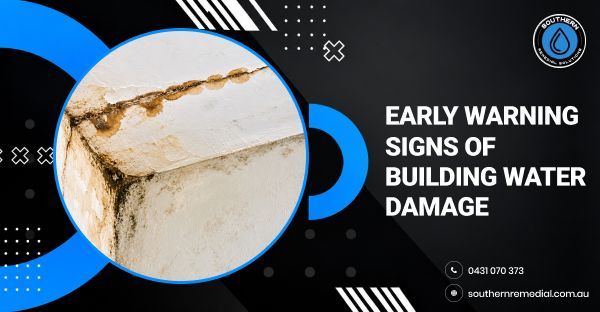
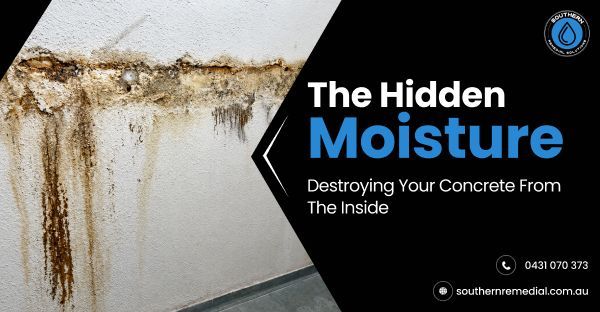
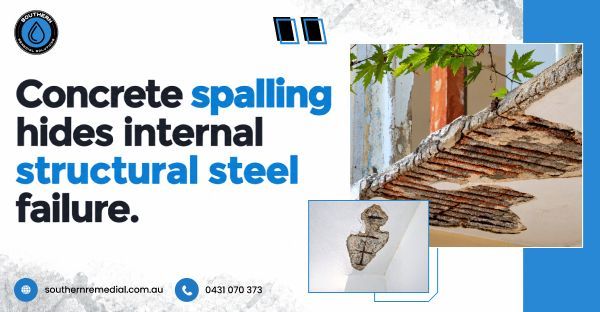
Concrete cancer is what happens when steel reinforcement inside concrete starts to rust. Rust expands. This expansion builds pressure inside the slab, balcony edge, beam, or column. Over time, the concrete cracks, sounds hollow, and pieces break away. This is concrete spalling and it often shows up with rust stains, bulging patches, and exposed reo.
It needs early treatment because it rarely stays local. Water and salts keep feeding the corrosion cycle. The damage spreads along the steel, behind paint, render, or tiles. Leave it too long and repairs become larger, more disruptive, and far more expensive.
Get a Professional Inspection First for Concrete Spalling
Concrete cancer can look small on the surface and be far worse underneath. A proper inspection is the safest starting point.
- Have an expert assess the extent of the damage
A remedial specialist can test for hollow areas, map delamination, and identify where corrosion has travelled. They also check moisture entry points like joints, cracks, failed membranes, and balconies.
- Determines the right repair method and scope of work
The repair approach changes depending on location, structural role, access, and exposure. The right plan avoids patch-over failures and sets the repair up to last.
Understand what is concrete sweating and how concrete remediation can help.
Remove the Damaged Concrete
Repair only works when you remove what’s broken. Any weak concrete left behind becomes the next failure point.
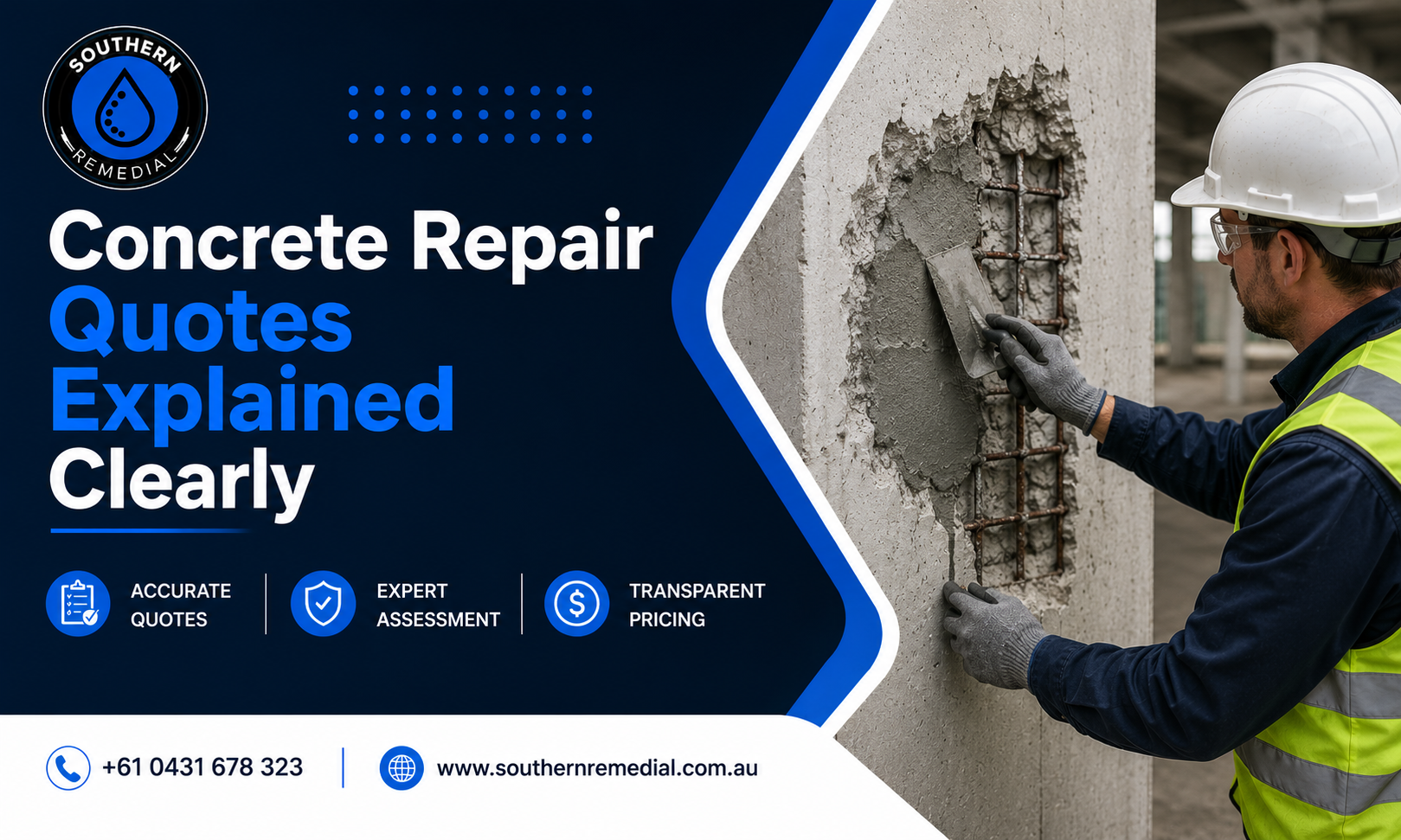
- Bust out all spalled, hollow, and delaminated concrete
Remove concrete until you reach sound material with good strength. This often means going beyond what you can see. If it sounds hollow, it is not ready to keep.
- Clean and expose the corroded steel reinforcement
You need clear access to the reo so you can treat it properly. If corrosion has reduced bar size, the scope may include steel replacement or engineering advice.
Treat the Corroded Steel
Once the reo is exposed, the goal is simple: remove rust and slow future corrosion.
- Wire brush or blast the rust off the rebar
Mechanical cleaning removes loose rust and scale so coatings can bond. For heavier corrosion, abrasive blasting is often more effective.
- Apply a rust-inhibiting primer or corrosion inhibitor
A primer helps protect cleaned steel and improves the bond with repair mortar. In some cases, corrosion inhibitors are used to reduce the chance of rust returning to nearby areas.
Apply Concrete Patching & Repair
This is the rebuild stage. It needs the right material and the right method, not a hardware-store patch.
- Use a high-quality polymer-modified mortar to rebuild the section
Polymer-modified repair mortars are made to bond, flex slightly with movement, and handle exposure. The mix and placement method matters just as much as the product.
- Ensure proper bonding between old and new material
Prep is everything. Clean the substrate. Use bonding agents where specified. Place and compact repair mortar correctly. Poor bonding is a common reason patches pop off early.
Concrete Crack Injection
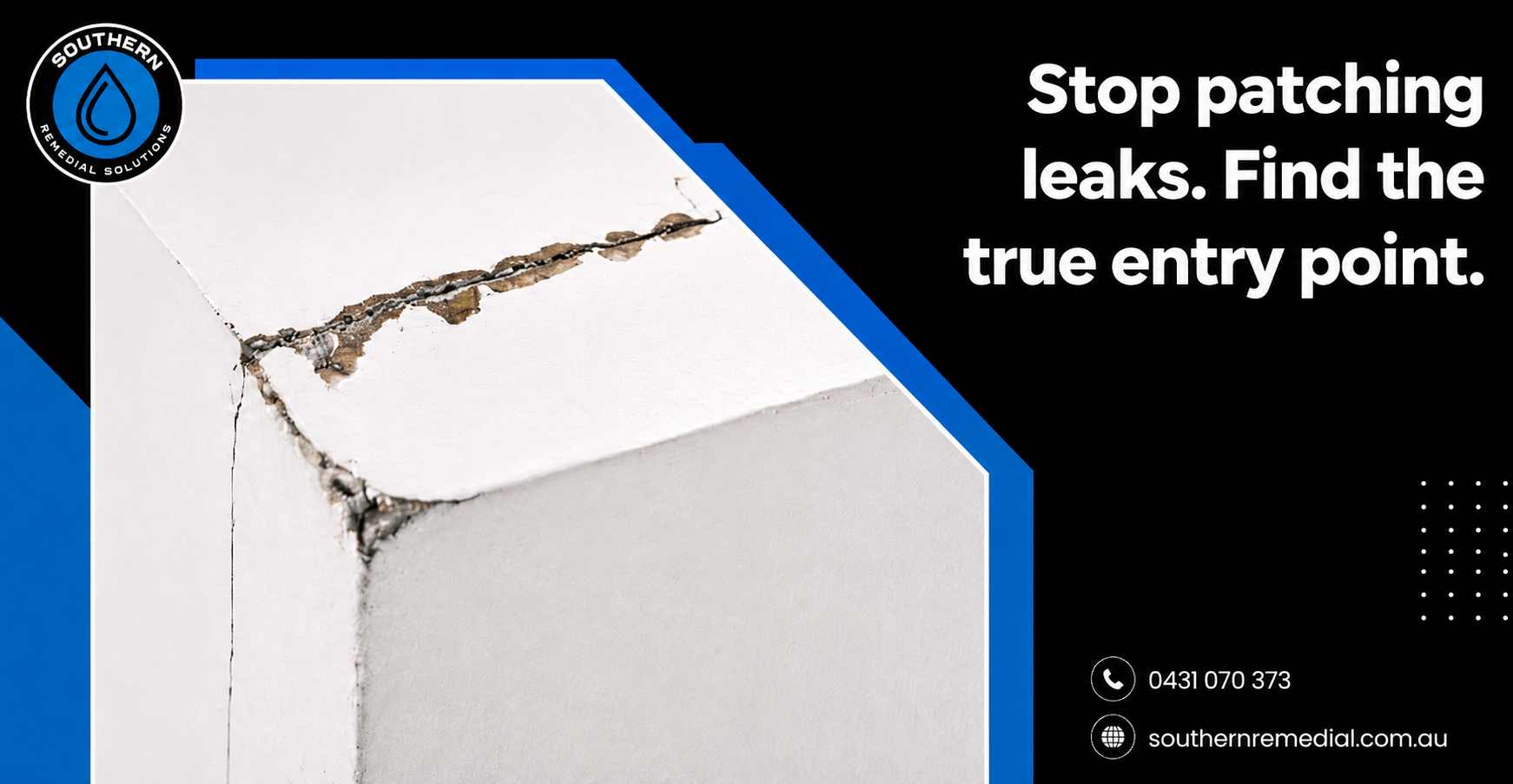
Cracks are often the entry route for water and chlorides. If you don’t seal them, the corrosion cycle can restart.
- For hairline cracks that allowed water in — inject with epoxy or polyurethane
Epoxy is used when you want structural bonding. Polyurethane is often used when you need a flexible seal to stop active water entry.
- Seals the crack from further water ingress
Injection fills the pathway that feeds corrosion. It also reduces internal moisture movement, which is a key factor in ongoing deterioration.
Apply Waterproofing & Protective Coatings
Repairs should not be left exposed to the same conditions that caused failure.
- Seal the repaired surface to stop water and chlorides from getting back in
Coatings, membranes, and sealants form a barrier. This is especially important on balconies, exposed slabs, planter boxes, podiums, and coastal buildings.
- Protective coatings extend the life of the repair significantly
A good coating system reduces moisture ingress and slows chloride attack. This step is often what separates short-term patching from lasting concrete remediation work.
Explore
how to fix rising damp.
Ongoing Maintenance & Monitoring
Concrete cancer repairs are not “set and forget.” A smart maintenance plan protects the investment.
- Schedule regular inspections to catch early signs of recurrence
Look for new rust stains, hairline cracking, coating breakdown, or drummy areas. Small issues are cheaper to fix when caught early.
- Address water drainage issues around the structure
Blocked balcony outlets, ponding water, leaking joints, and failed sealants push moisture back into the concrete. Fixing drainage and waterproofing details reduces the chance of repeat damage and supports long-term concrete remediation outcomes
Call for Immediate Concrete Remediation
Concrete cancer starts with rusting steel, but it ends with cracking, hollow concrete, and section loss if it’s ignored. The right process is consistent: inspect first, remove all unsound concrete, treat the reo, rebuild with proper repair mortar, seal cracks, and protect the surface so water can’t return. That’s how you stop concrete spalling from spreading and keep repairs durable. Concrete cancer won’t fix itself — act early to avoid structural failure. If you need trusted concrete remediation across Wollongong, Illawarra, Sydney, and the South Coast, call Southern Remedial Solutions to book an on-site inspection and get a clear repair plan.