How Epoxy Injection Helps Restore Historical Buildings

Zeke Stankov • February 20, 2025
Epoxy Injection

Keeping the beauty and integrity of old buildings intact is a problem for most homeowners and building owners. Weather, time, and natural wear and tear take their toll on these historic buildings, and repair becomes a necessity rather than an option. Epoxy injection is a new solution to strengthening old buildings without losing their historic look.


A Delicate Balance Between Preservation and Modern Strength

Historical buildings are not just walls and roofs; they hold stories, heritage, and a unique character. Many old structures were built using materials and techniques no longer common today. While complete reconstruction may seem like an option, it often compromises the authenticity of these properties. Epoxy injection offers a non-intrusive way to strengthen original structures, ensuring that history remains intact without sacrificing stability.


Preserving Architectural Details Without Heavy Repairs

Elaborate carvings, mouldings, and decorative elements give historic buildings their distinct beauty. Traditional repair methods often require breaking or removing parts of the original construction, leading to loss of intricate details. Epoxy injection, however, flows into even the smallest cracks, bonding the material without damaging the delicate artistry of the building. This ensures that both aesthetics and strength are maintained.


A Cost-Effective Alternative to Extensive Renovations

Homeowners looking to restore historical buildings often worry about the cost of major structural repairs. Rebuilding sections of a property or replacing aged materials can be expensive and time-consuming. Epoxy injection provides a more affordable solution by targeting problem areas directly. Instead of replacing large portions of a structure, epoxy strengthens the existing materials, reducing overall renovation expenses.


Long-Term Protection Against Weather Damage

Rain, humidity, and temperature changes put immense stress on historical structures. Moisture trapped in cracks can freeze and expand, causing further deterioration over time. By sealing these cracks, epoxy injection prevents water intrusion, keeping the internal framework dry and resilient. This added layer of protection helps historical homes withstand the test of time while maintaining their original charm.


A Restoration Technique That Honours the Past

Older structures were constructed using materials that are now unavailable or impractical to utilise. It can be difficult to replicate the texture, colour, and structure of original materials, so regular repairs are challenging. Epoxy injection allows homeowners to reinforce their property without altering its historic appearance, combining traditional techniques with contemporary building methods.


Strengthening Foundations Without Altering Beauty

The foundation of an old structure is central to its integrity, but decades of shifting ground and weathering can compromise it. Fixing these issues with traditional techniques has a tendency to alter the way the exterior appears. With epoxy injection, foundation cracks are sealed from the interior, preserving both the building's integrity and beauty.


A Green Restoration Technique

Sustainability is more crucial than ever when restoring old structures. Much of the old restoration techniques involve a great deal of material replacement, which produces a great deal of waste and does damage to the environment. Epoxy injection minimises waste by reinforcing existing materials rather than replacing them. This technique reduces carbon footprints while providing lasting strength.


Hidden Cracks That Pose Danger to the Structure

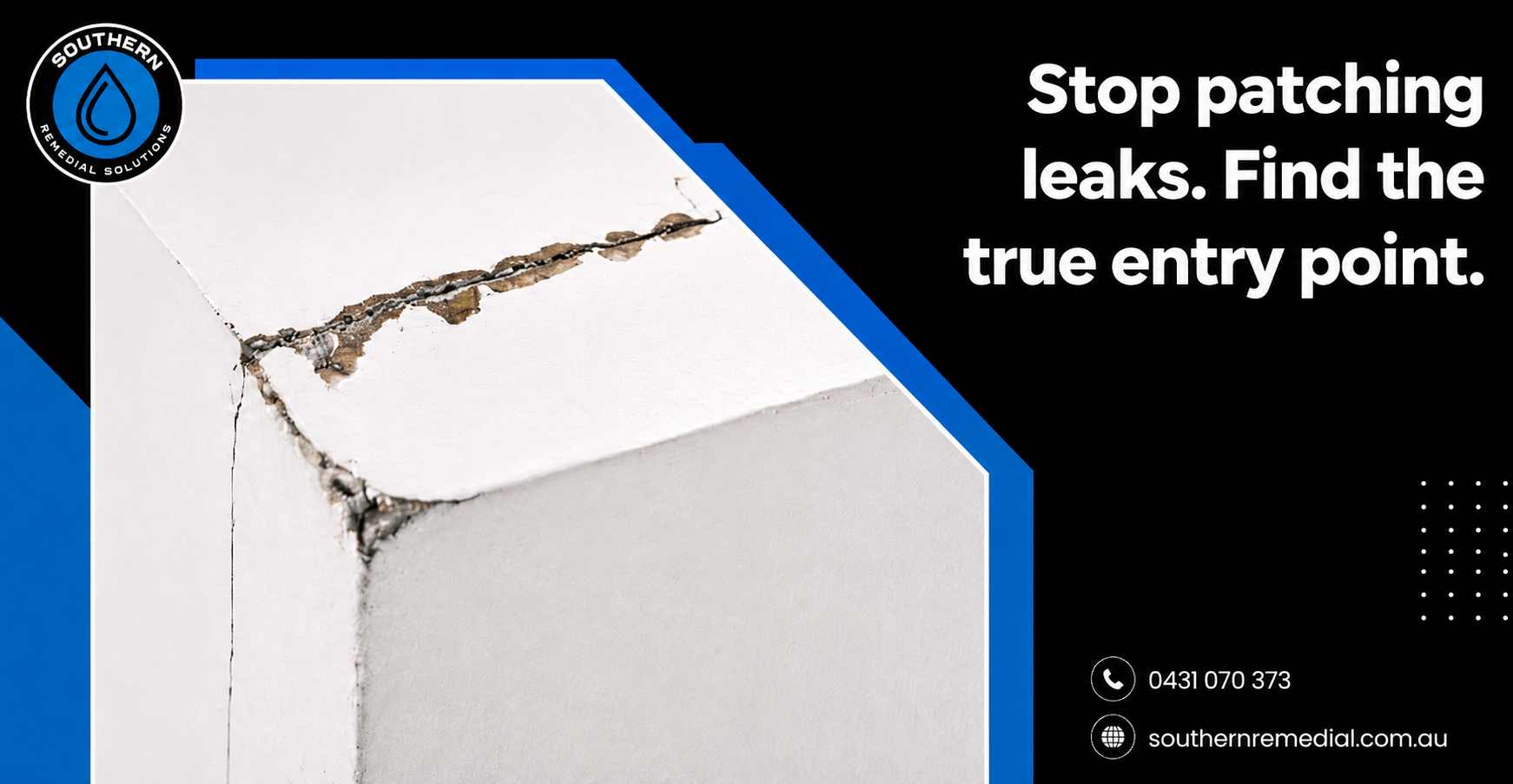
Tiny cracks form in old buildings over time due to shifting foundations, changes in temperature, and water absorption. These small cracks, though small at first, can cause extensive damage if left unchecked. Water seeps in and undermines the inner structure, and changing weather patterns can cause the cracks to enlarge. With epoxy injection, deep cracks are filled from the inside, restoring the structure's strength without changing its look. Therefore, if you live somewhere around Figtree or Wirroul and looking for waterproofing in Wollongong,  the service providers will advise you to implement epoxy injection to prevent any damage due to water seeping.

Meeting Safety Requirements in Ageing Structures

Ageing buildings can have compromised areas that make them unsafe for occupants and guests. Loose bricks, crumbling walls, and collapsing ceilings can become dangers over time. Epoxy injection is used to strengthen buildings without the need for extensive repairs, creating a safer home while maintaining the building's original look.


Choosing the Right Professionals for the Job

Not all epoxy injection is the same, and the right skills are required for ageing buildings. Finding a restoration expert who knows how to use epoxy injection correctly is needed so that repairs are done well without losing the building's original character. Professionals take into account what kind of damage there is, select the right type of epoxy, and apply it carefully, maintaining function and design.


Final Thoughts

Fixing an ageing building is not about losing its history. Historical buildings are made stronger with epoxy injection while maintaining their original design. Homeowners and preservationists can be confident that their precious assets will be around for generations to come, allowing history to continue in the modern world.
By Zeke Stankov May 7, 2026
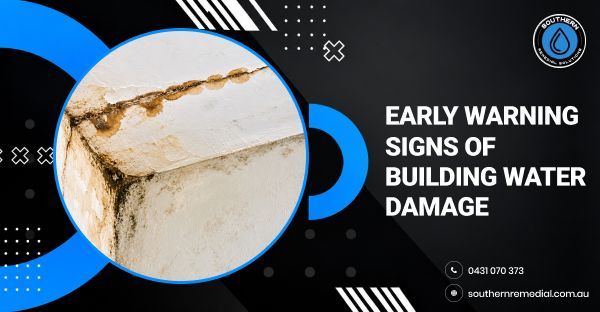
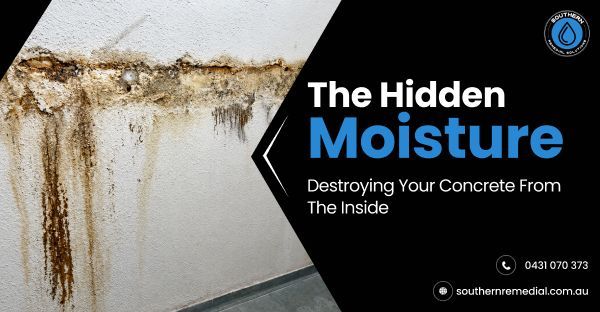
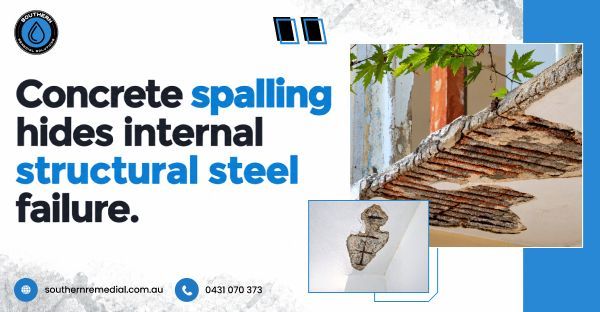
A balcony is more than a place to sit with a coffee or enjoy fresh air. It is also a structural extension of the building. It carries load, manages water, and protects the structure beneath it. When designed and maintained well, it supports both lifestyle and safety. Yet balconies often fall into the “out of sight, out of mind” category. Owners focus on interiors while exterior structures quietly absorb weather, moisture, and temperature changes. Damage can build slowly for years before anyone notices. Understanding a balcony’s lifecycle helps prevent major problems. When you know what to expect over time, you can address early warning signs and avoid costly structural failures. The Estimated Lifespan: Reality vs. Expectations Many property owners assume a balcony will last as long as the building itself. In theory, it can. In reality, exposure to weather, water, and movement means parts of a balcony age at different speeds. Without proper care, the lifecycle shortens dramatically. The structural skeleton of most balconies—reinforced concrete and steel—is usually designed to last around 40 to 60 years. However, exposure to coastal conditions in NSW can accelerate deterioration. Salt, moisture, and temperature changes place constant stress on the structure. Without timely maintenance, that expected lifespan can shrink. Waterproofing membranes have a much shorter life. Most membranes last 10 to 15 years before they begin to fail. Once this barrier breaks down, water seeps into the concrete slab and starts damaging the internal structure. Sealants and expansion joints have the shortest lifespan. These components often require attention every 5 to 7 years. When sealants shrink or crack, water finds its way through the smallest gaps. Understand the issue with delaying foundational repairs and concrete spalling . Stages of the Balcony Lifecycle Every balcony moves through predictable stages as it ages. Each phase has its own risks and maintenance needs. Recognising these stages helps owners act early rather than react to major damage later. A well-maintained balcony can move smoothly through these stages. Neglect, however, accelerates deterioration. The Healthy Phase (0–5 Years) In the early years, a balcony is structurally sound. Waterproofing systems are intact, and surfaces are stable. Maintenance during this phase focuses on simple tasks such as clearing drains, cleaning surfaces, and monitoring for minor cracks. Routine checks at this stage help establish a maintenance record. It is the easiest time to keep problems small. The Vulnerable Phase (5–10 Years) Around the five-year mark, small changes begin to appear. Sealants may shrink and lose flexibility. Fine cracks can develop in grout lines or concrete surfaces. These changes might seem cosmetic. But they create entry points for water. If ignored, moisture slowly penetrates deeper layers of the structure. The Critical Phase (10–20 Years) This stage often marks the turning point for many balconies. Waterproofing membranes frequently reach the end of their service life. Once membranes deteriorate, water ingress becomes much more likely. Moisture trapped within the slab can begin to corrode internal steel reinforcement. At this point, property owners often turn to experienced concrete repair contractors to assess the extent of damage. The Remedial Phase (20+ Years) Older balconies commonly require structural remediation. One of the most frequent problems is concrete spalling, where rusting reinforcement forces the concrete to crack and break away. This stage demands professional intervention. Skilled concrete repair contractors remove damaged concrete, treat corroded steel, and restore the structure before further deterioration occurs. The Life-Shorteners: Why Balconies Fail Early Balconies rarely fail overnight. Most problems develop gradually due to environmental exposure and overlooked maintenance. Understanding the key causes helps owners reduce risk and extend the structure’s service life. Water Ponding Poor drainage is one of the biggest threats to balcony structures. When water sits on the surface, it slowly penetrates tile joints and membranes. Over time, constant moisture weakens protective layers and damages the slab beneath. Coastal Exposure Buildings near the coast face constant salt exposure. Salt accelerates the corrosion of steel reinforcement inside concrete. This process eventually leads to cracking and spalling. Thermal Movement Concrete expands and contracts as temperatures change. Over the years, this movement has created stress in tile beds, grout, and concrete surfaces. Small cracks appear and grow larger with each cycle. Neglected Maintenance Minor cracks may seem harmless, but they allow water to enter the structural core. Left untreated, moisture reaches the steel reinforcement and begins the corrosion process. By the time damage becomes visible, repairs are often more extensive than expected. Warning Signs Your Balcony is Reaching Its End of Life Balconies often give subtle warnings before major structural damage occurs. Learning to recognise these signs helps property owners act early. Small visual changes can reveal deeper structural problems. Visible Rust Stains Rust marks on the surface of concrete often signal corroding reinforcement inside the slab. This is a clear sign that moisture has already reached the internal steel. Efflorescence White, powdery deposits along the edges or underside of the balcony slab indicate water movement through the concrete. While not always structural, it signals moisture infiltration. Drifting or Hollow Tiles Tiles that sound hollow when tapped or begin to lift slightly suggest bond failure beneath the surface. This often occurs when water damages the substrate or membrane. Concrete Spalling One of the most serious warning signs is concrete spalling, where pieces of concrete crack, loosen, or fall away. This indicates expanding rust inside the slab and requires immediate repair by experienced concrete repair contractors. Understanding the science behind concrete sweating. How to Extend the Lifecycle Balcony deterioration is not inevitable. With the right approach, many structures can perform well for decades. Proactive maintenance keeps small issues from becoming structural failures. Annual Inspections Routine inspections help identify hairline cracks, sealant failures, and drainage issues early. Addressing these small problems quickly prevents larger structural damage later. Protective Coatings Specialised coatings can create a barrier against moisture and salt penetration. These coatings reduce exposure to environmental stress and help protect the concrete surface. Professional Waterproofing Rectification Replacing failing membranes before leaks develop protects the internal structure of the building. Proper waterproofing ensures water stays on the surface and drains away safely. Concrete Cancer Treatment When corrosion occurs, professional remediation removes damaged concrete and treats the affected reinforcement. This process restores structural integrity and helps reset the lifecycle of the balcony. Contact Expert Concrete Repair Contractors Balconies do not last forever, but they rarely need full replacement if problems are addressed early. Timely remedial work costs far less than a complete structural rebuild. Early detection, proper waterproofing, and professional repairs keep balconies safe and functional for decades. If you notice early signs of deterioration, do not wait for water leaks or falling concrete. Contact Southern Remedial Solutions for a professional balcony assessment and keep your building’s structure protected for the long term.
concrete remediation
By Zeke Stankov April 28, 2026
Discover how professional remedial building and concrete remediation techniques can save decaying structures from demolition and restore long-term stability.
By Zeke Stankov April 3, 2026
Expert solutions for waterproofing in Illawarra. Learn to identify failure signs and prevent concrete spalling with Southern Remedial’s professional repair services.
concrete repair contractors
By Zeke Stankov March 26, 2026
Learn why new buildings leak. Our concrete repair contractors help fix concrete spalling to stop structural damage and prevent long-term water ingress.
concrete remediation
By Zeke Stankov February 23, 2026
Concrete spalling ruining your property? Discover proven ways to fix concrete cancer with expert concrete remediation solutions. Act before the damage spreads.
concrete remediation
By Zeke Stankov February 2, 2026
Learn the science behind condensation damage and how concrete repair contractors can fix it. Expert concrete remediation solutions available.
waterproofing Illawarra
By Zeke Stankov January 31, 2026
Dealing with rising damp in your property? Southern Remedial Solutions offers expert waterproofing Illawarra services and remedial building treatments to eliminate rising damp permanently.
concrete spalling
By Zeke Stankov January 26, 2026
Understand how salt air accelerates concrete spalling and building defects in Sydney and South Coast.
concrete remediation
By Zeke Stankov January 7, 2026
Stop BBQ damage before it's too late! Heat and grease cause concrete spalling and costly repairs. Learn prevention tips and when concrete remediation is needed for your balcony.
remedial building
By Zeke Stankov December 31, 2025
Discover how IoT sensors detect concrete spalling and structural issues early. Modern remedial building technology predicts failures before costly damage occurs.
technician holding a clipboard and pen
  • Get in Touch

    We hope you enjoy reading this blog post!


    If you need specialist remedial building works in Wollongong, Sydney, or the South Coast, look no further than Southern Remedial Solutions. We use industry-leading technologies to deliver high-quality solutions to our clients.


    Get in Touch


We hope you enjoy reading this blog post!

If you need specialist remedial building works in Wollongong, Sydney, or the South Coast, look no further than Southern Remedial Solutions. We use industry-leading technologies to deliver high-quality solutions to our clients.