The Lifecycle of a Balcony by Concrete Repair Contractors
A balcony is more than a place to sit with a coffee or enjoy fresh air. It is also a structural extension of the building. It carries load, manages water, and protects the structure beneath it. When designed and maintained well, it supports both lifestyle and safety.
Yet balconies often fall into the “out of sight, out of mind” category. Owners focus on interiors while exterior structures quietly absorb weather, moisture, and temperature changes. Damage can build slowly for years before anyone notices.
Understanding a balcony’s lifecycle helps prevent major problems. When you know what to expect over time, you can address early warning signs and avoid costly structural failures.
The Estimated Lifespan: Reality vs. Expectations
Many property owners assume a balcony will last as long as the building itself. In theory, it can. In reality, exposure to weather, water, and movement means parts of a balcony age at different speeds.
Without proper care, the lifecycle shortens dramatically.
The structural skeleton of most balconies—reinforced concrete and steel—is usually designed to last around 40 to 60 years. However, exposure to coastal conditions in NSW can accelerate deterioration. Salt, moisture, and temperature changes place constant stress on the structure. Without timely maintenance, that expected lifespan can shrink.
Waterproofing membranes have a much shorter life. Most membranes last 10 to 15 years before they begin to fail. Once this barrier breaks down, water seeps into the concrete slab and starts damaging the internal structure.
Sealants and expansion joints have the shortest lifespan. These components often require attention every 5 to 7 years. When sealants shrink or crack, water finds its way through the smallest gaps.
Understand the issue with delaying foundational repairs and concrete spalling.
Stages of the Balcony Lifecycle
Every balcony moves through predictable stages as it ages. Each phase has its own risks and maintenance needs. Recognising these stages helps owners act early rather than react to major damage later.
A well-maintained balcony can move smoothly through these stages. Neglect, however, accelerates deterioration.
The Healthy Phase (0–5 Years)
In the early years, a balcony is structurally sound. Waterproofing systems are intact, and surfaces are stable. Maintenance during this phase focuses on simple tasks such as clearing drains, cleaning surfaces, and monitoring for minor cracks.
Routine checks at this stage help establish a maintenance record. It is the easiest time to keep problems small.
The Vulnerable Phase (5–10 Years)
Around the five-year mark, small changes begin to appear. Sealants may shrink and lose flexibility. Fine cracks can develop in grout lines or concrete surfaces.
These changes might seem cosmetic. But they create entry points for water. If ignored, moisture slowly penetrates deeper layers of the structure.
The Critical Phase (10–20 Years)
This stage often marks the turning point for many balconies. Waterproofing membranes frequently reach the end of their service life.
Once membranes deteriorate, water ingress becomes much more likely. Moisture trapped within the slab can begin to corrode internal steel reinforcement. At this point, property owners often turn to experienced concrete repair contractors to assess the extent of damage.
The Remedial Phase (20+ Years)
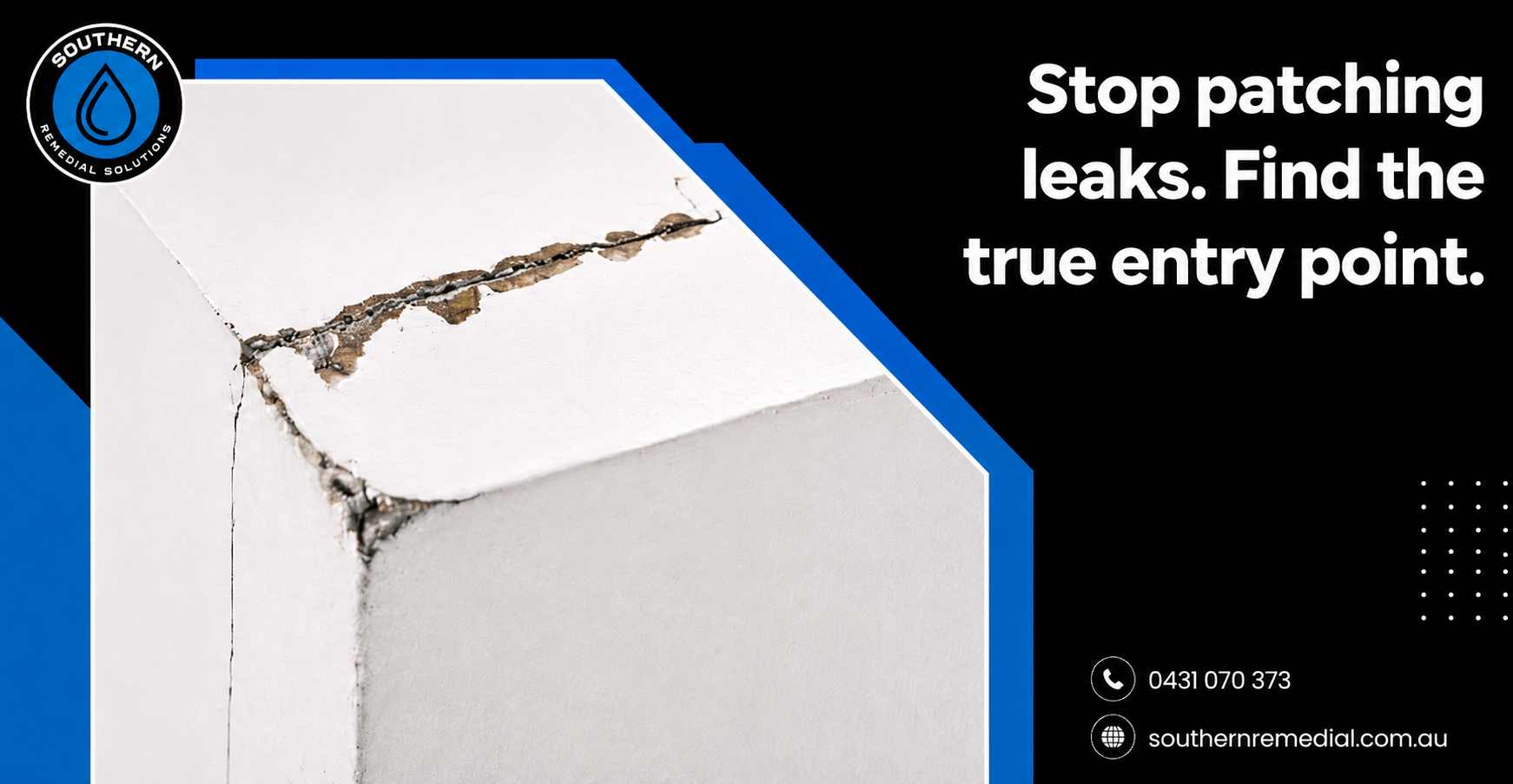
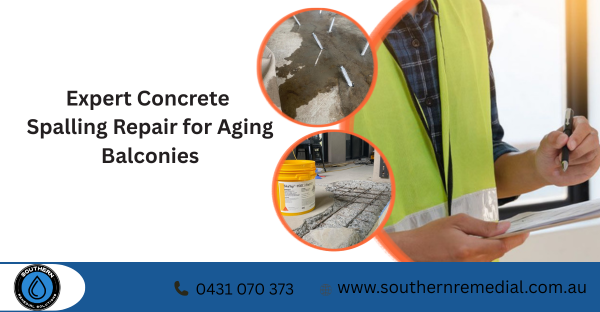
Older balconies commonly require structural remediation. One of the most frequent problems is concrete spalling, where rusting reinforcement forces the concrete to crack and break away.
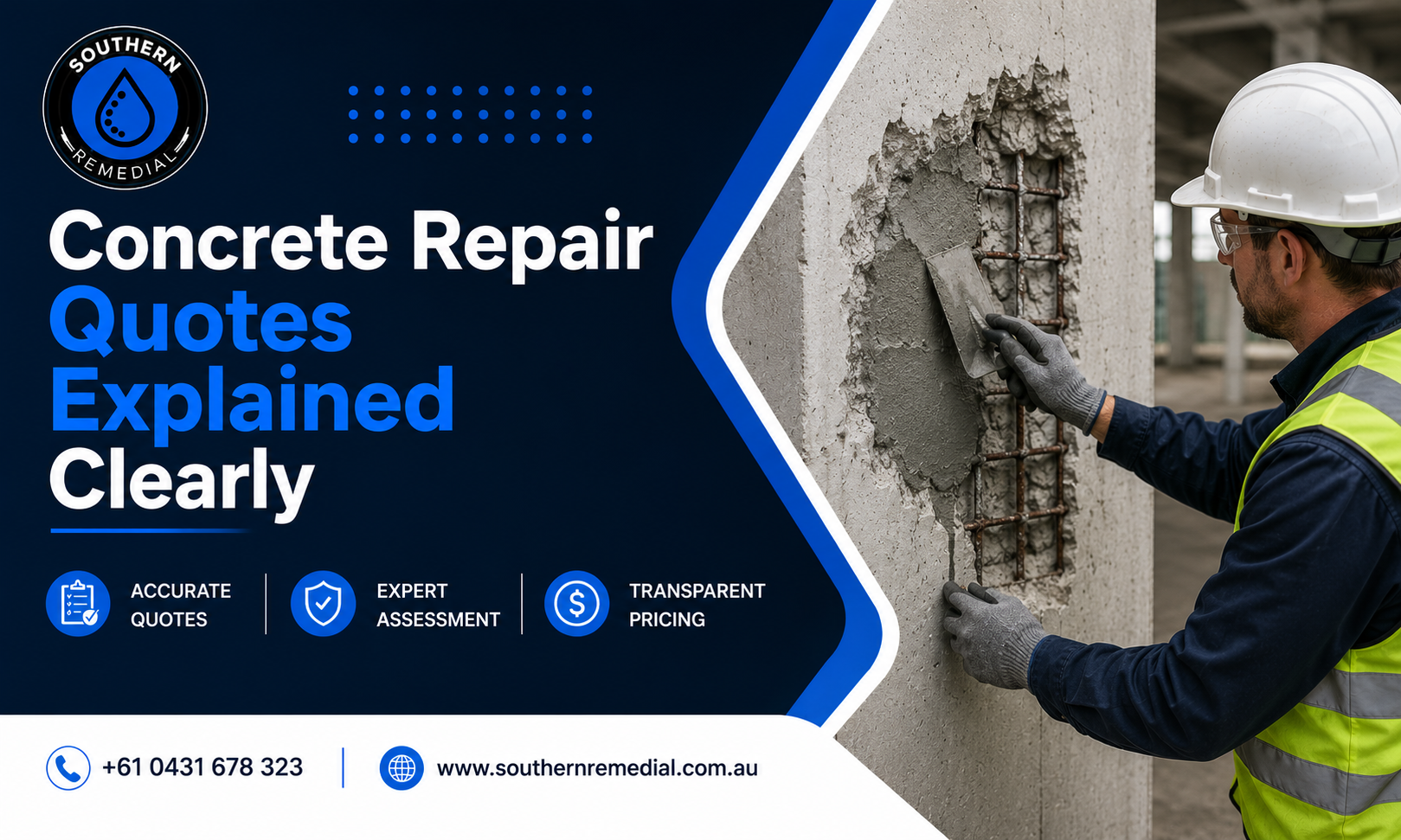
This stage demands professional intervention. Skilled concrete repair contractors remove damaged concrete, treat corroded steel, and restore the structure before further deterioration occurs.
The Life-Shorteners: Why Balconies Fail Early
Balconies rarely fail overnight. Most problems develop gradually due to environmental exposure and overlooked maintenance. Understanding the key causes helps owners reduce risk and extend the structure’s service life.
Water Ponding
Poor drainage is one of the biggest threats to balcony structures. When water sits on the surface, it slowly penetrates tile joints and membranes. Over time, constant moisture weakens protective layers and damages the slab beneath.
Coastal Exposure
Buildings near the coast face constant salt exposure. Salt accelerates the corrosion of steel reinforcement inside concrete. This process eventually leads to cracking and spalling.
Thermal Movement
Concrete expands and contracts as temperatures change. Over the years, this movement has created stress in tile beds, grout, and concrete surfaces. Small cracks appear and grow larger with each cycle.
Neglected Maintenance
Minor cracks may seem harmless, but they allow water to enter the structural core. Left untreated, moisture reaches the steel reinforcement and begins the corrosion process.
By the time damage becomes visible, repairs are often more extensive than expected.
Warning Signs Your Balcony is Reaching Its End of Life
Balconies often give subtle warnings before major structural damage occurs. Learning to recognise these signs helps property owners act early. Small visual changes can reveal deeper structural problems.
Visible Rust Stains
Rust marks on the surface of concrete often signal corroding reinforcement inside the slab. This is a clear sign that moisture has already reached the internal steel.
Efflorescence
White, powdery deposits along the edges or underside of the balcony slab indicate water movement through the concrete. While not always structural, it signals moisture infiltration.
Drifting or Hollow Tiles
Tiles that sound hollow when tapped or begin to lift slightly suggest bond failure beneath the surface. This often occurs when water damages the substrate or membrane.
Concrete Spalling
One of the most serious warning signs is concrete spalling, where pieces of concrete crack, loosen, or fall away. This indicates expanding rust inside the slab and requires immediate repair by experienced concrete repair contractors.
Understanding the science behind concrete sweating.
How to Extend the Lifecycle
Balcony deterioration is not inevitable. With the right approach, many structures can perform well for decades. Proactive maintenance keeps small issues from becoming structural failures.
Annual Inspections
Routine inspections help identify hairline cracks, sealant failures, and drainage issues early. Addressing these small problems quickly prevents larger structural damage later.
Protective Coatings
Specialised coatings can create a barrier against moisture and salt penetration. These coatings reduce exposure to environmental stress and help protect the concrete surface.
Professional Waterproofing Rectification
Replacing failing membranes before leaks develop protects the internal structure of the building. Proper waterproofing ensures water stays on the surface and drains away safely.
Concrete Cancer Treatment
When corrosion occurs, professional remediation removes damaged concrete and treats the affected reinforcement. This process restores structural integrity and helps reset the lifecycle of the balcony.
Contact Expert Concrete Repair Contractors
Balconies do not last forever, but they rarely need full replacement if problems are addressed early.
Timely remedial work costs far less than a complete structural rebuild. Early detection, proper waterproofing, and professional repairs keep balconies safe and functional for decades.
If you notice early signs of deterioration, do not wait for water leaks or falling concrete. Contact Southern Remedial Solutions for a professional balcony assessment and keep your building’s structure protected for the long term.