How Concrete Repair Contractors Help Improve Home Value

Zeke Stankov • February 19, 2025
Concrete repair contractors


Homeownership is not just dwelling in a residence. It is an investment that has to be taken care of and maintained in the long term. Cracks, uneven terrain, and worn-out concrete render any property less desirable and lower its value. Professional concrete repair contractors have the know-how and experience to provide long-term solutions that improve safety and appearance, making homes more valuable in the real estate market.


Structural Integrity Enhancement

A solid foundation supports everything within a home. Weak or cracked concrete in driveways, patios, and walkways can signal deeper structural problems. Potential buyers often hesitate when they notice such issues, fearing costly repairs in the future. Addressing these problems through professional concrete repair ensures a stable surface, reinforcing the strength of the entire property. A house with a well-maintained structure stands out as a sound investment.


Curb Appeal and First Impressions

The entrance and exterior of a home shape the first impression for visitors and buyers. Faded, cracked, or chipped concrete surfaces diminish the beauty of any property. A driveway with visible damage or uneven sidewalks can give the impression of neglect. Professional concrete repair services restore the appearance of these areas, making the property more inviting and visually appealing. An attractive exterior increases interest from potential buyers.


Safety Improvements

Tripping hazards and unstable surfaces pose risks for residents and guests. Uneven concrete on walkways, driveways, and steps creates potential for accidents. A home that prioritises safety appeals more to buyers looking for a secure and well-maintained environment. Repairing damaged concrete removes these hazards, ensuring a safer living space. Properties with a strong focus on safety often attract families and older buyers who value stability.


Longevity of Outdoor Spaces

Patios, decks, and garden walks enhance the liveability of a house. Weather and regular wear and tear wear out concrete over time, causing cracks and surface wear. If outdoor spaces are left unattended, they become less functional and less desirable to homeowners and buyers. Professional concrete repair services can repair these spaces, making them stronger and functional. A well-maintained patio or pathway improves the livable space of a house.


Prevention of Water Damage

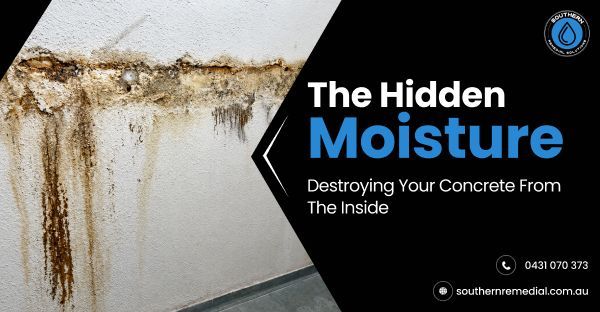
Water can seep into cracks and weak areas of concrete, leading to further damage. Over time, this could lead to foundation problems or even mould in the house. Water-damaged concrete weakens the entire property, which raises repair costs if not repaired. Professional concrete repair keeps moisture from seeping in, protecting the home from expensive damage in the long term.


Cost Savings on Future Repairs

Minor cracks and damages become major problems when ignored. Delaying necessary repairs often leads to expensive replacements or structural work. A small investment in professional concrete repair today can prevent significant financial burdens in the future. Homeowners who take proactive steps in maintaining their property spend less over time. A well-maintained home is easier to sell at a higher price.


Market Competitiveness

A well-kept home stands out in a competitive housing market. Buyers often compare properties based on overall condition and potential repair costs. Homes with damaged concrete may require price reductions to attract offers. Investing in professional concrete repair enhances marketability, increasing the chances of a faster sale at a better price. Buyers prefer homes that require minimal immediate repairs.


Sustainability and Eco-Friendly Practices

Modern concrete remediation methods use sustainable materials and techniques that reduce waste. Instead of replacing entire concrete structures, repair specialists restore and strengthen existing surfaces. Environmentally conscious buyers appreciate homes that incorporate sustainable maintenance practices. Choosing professional concrete repair contributes to eco-friendly home improvement.


Boosting Property Appraisal Value

Real estate appraisers assess the condition of every aspect of a home. Cracked, damaged, or deteriorating concrete surfaces lower the overall appraisal value. Homes in top condition receive higher valuations, leading to better loan approvals and refinancing options. Proper concrete repair ensures that a home retains its financial worth over time.


Final Thoughts

To be at peace is to know that your home is in good condition. A beautiful, stable, and strong home provides homeowners and their families with a sense of security. People desire homes with minimal repair, so professionally repaired concrete homes are more desirable. Investing in concrete repair today makes your home more valuable in the future.
By Zeke Stankov July 27, 2026
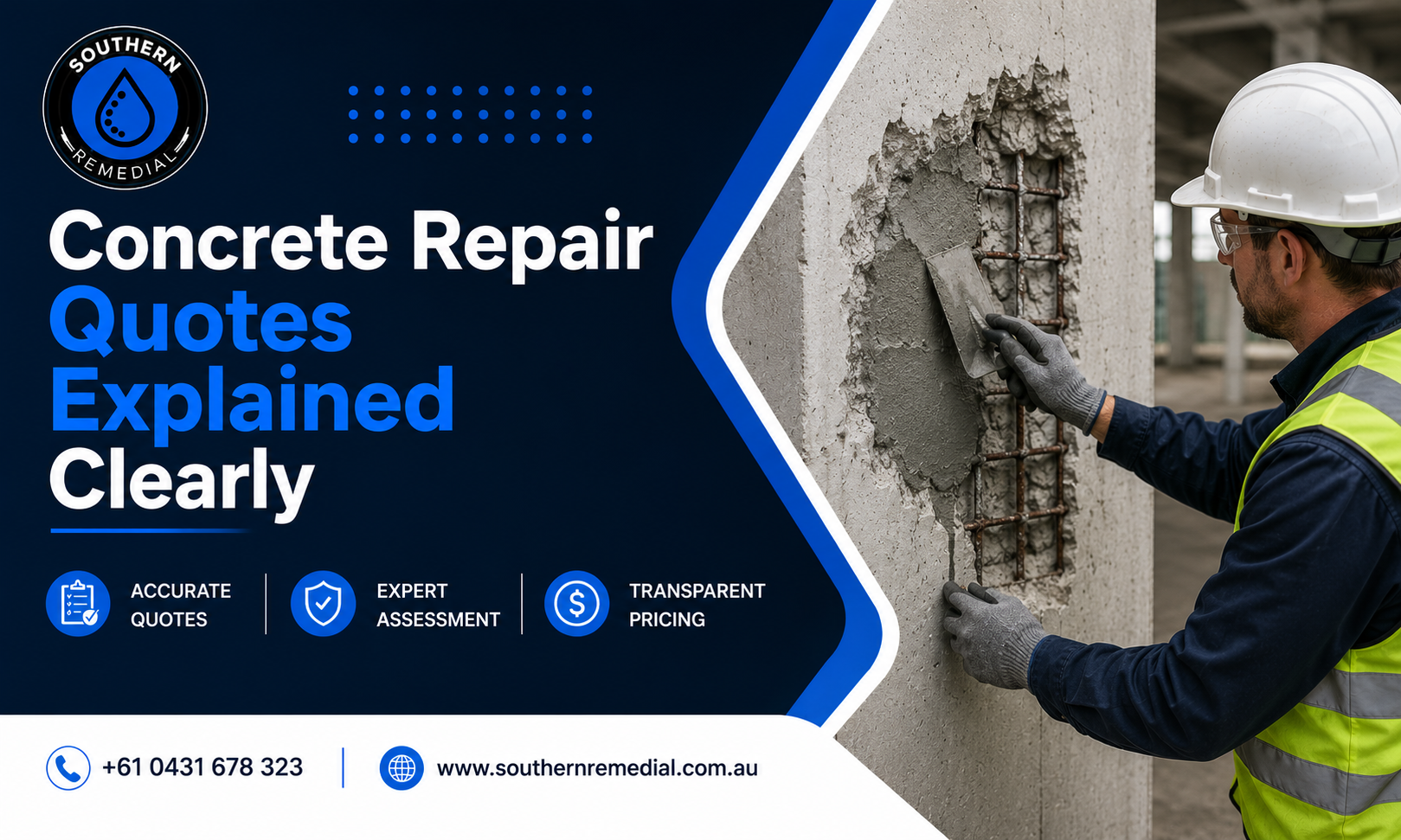
A concrete repair quote can be a blunt shock. One contractor writes a tidy number. Another comes in thousands higher for what sounds like the same job. Most homeowners assume someone is overcharging. Usually, the gap comes from what each contractor has actually found, what they plan to fix, and how long the repair is meant to last. The cheapest quote often reads well because it leaves out the hard parts.  The Damage Isn't Always What It Looks Like A hairline crack is rarely just a line on the surface. On balconies, driveways, retaining walls, and basement walls, it can point to movement, moisture, poor drainage, or steel corrosion under the finish. I have seen a small crack near an expansion joint turn into Remedial Building once the edge starts breaking away and rust staining bleeds through the render. A patch over a crack can look neat for a while, then fail once the slab keeps moving or water keeps getting in. If the concrete has blistering paint, damp patches, or hollow-sounding areas, the job is already bigger than the visible crack. Why Two Contractors See Two Different Jobs One contractor may quote on what is obvious from the street. Another may check the underside of a balcony, the joint line, the drainage fall, the rust staining, and the condition of nearby mortar. Those two inspections will not produce the same scope. A proper inspection picks up things homeowners often miss: cold joints in old pours, crumbling mortar around brick stitching repairs, or corroded flashing at wall junctions. Those details change the price quickly. It is a snapshot of how much the contractor thinks is failing, and how much hidden work sits behind it. Materials and Methods Aren't One Size Fits All Patch Job or Permanent Fix? Not every crack needs the same treatment. Some surface cracks need sealing. Others need Epoxy Injection because water is actively tracking through the slab or wall. In the wrong hands, a quick patch can hide the problem without stopping it. That works for a month. It does not work for a wet basement wall with efflorescence already forming behind the paint. A basic fill is cheaper because it is fast and light on materials. Injection work takes more prep, more diagnosis, and more care around pressure control. Balcony edge repairs, structural cracks, and spalled edges with exposed reinforcement bars are never the same as cosmetic touch-ups. Cheap Today, Costly Tomorrow Low-grade repair materials can shave money off the quote, but they usually give it back later in callbacks, repainting, and repeated damage. It is better to see a contractor price the job properly once than to play games with thin coatings, weak fillers, and rushed prep. Surface prep is where cheap jobs often cut corners. If loose concrete is not removed back to sound material, or if rusted steel is not cleaned and treated before patching, the repair is already compromised. The finish may look decent on day one. Six months later, blistering paint or fresh cracking tells a different story. Experience and Compliance Cost Money Licensed, insured contractors charge more for a reason. They carry overheads, training, proper equipment, and the risk of doing the work legally. They also have a name to protect. A fly-by-night operator can undercut the market because they are not factoring in insurance, compliance, or any real warranty risk. What Your Quote Actually Buys A fair quote covers labour, access equipment, surface prep, removal of failed material, repair compounds, crack treatment, sealing, and clean-up. If the work is in a hard-to-reach spot, scaffolding or edge protection may also be part of the cost. That is not padding. It is the job. It should also cover warranty terms and some accountability if the repair fails early. When a contractor prices those things in, the number rises. When they do not, the quote looks nice, and the risk falls on the homeowner. Scope Creep Is Common in Concrete Repair A low quote often wins by narrowing the work. It may cover the visible crack but ignore the damp source, the failed coating, or the adjacent spalled section. It may skip rust treatment, crack routing, or sealing around junctions where water keeps entering. The low price sounds sensible until the contractor starts adding extras mid-job. By then, the real cost has already moved. One Crack Rarely Travels Alone Concrete damage likes company. A crack beside a balcony edge may come with rust staining, sagging at the edge, and degraded waterproofing. A basement wall crack may come with efflorescence, damp render, and salt damage nearby. Once one area fails, the surrounding material is often not far behind. A careful contractor prices for the full picture. That is why two quotes for the same “crack repair” can be miles apart. How to Compare Quotes the Right Way Do not compare only the total price. Ask what is being removed, what is being repaired, which materials are being used, and how the contractor plans to deal with moisture or reinforcement corrosion. If a quote is one lump sum with no detail, treat it with caution. An itemised quote tells you whether the contractor has inspected the job properly or just guessed from photos. Closing A fair concrete repair quote reflects the real condition of the structure, not a guess and not a race to the bottom. The spread between quotes often tells you more about the job than the job title does. If you want a proper assessment, book an inspection with Southern Remedial Solutions before small damage turns into a bigger structural bill.
By Zeke Stankov May 7, 2026
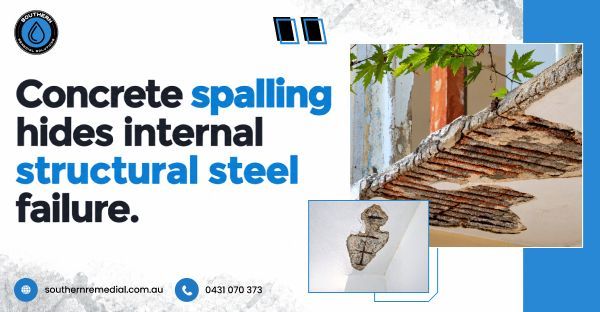
A balcony is more than a place to sit with a coffee or enjoy fresh air. It is also a structural extension of the building. It carries load, manages water, and protects the structure beneath it. When designed and maintained well, it supports both lifestyle and safety. Yet balconies often fall into the “out of sight, out of mind” category. Owners focus on interiors while exterior structures quietly absorb weather, moisture, and temperature changes. Damage can build slowly for years before anyone notices. Understanding a balcony’s lifecycle helps prevent major problems. When you know what to expect over time, you can address early warning signs and avoid costly structural failures. The Estimated Lifespan: Reality vs. Expectations Many property owners assume a balcony will last as long as the building itself. In theory, it can. In reality, exposure to weather, water, and movement means parts of a balcony age at different speeds. Without proper care, the lifecycle shortens dramatically. The structural skeleton of most balconies—reinforced concrete and steel—is usually designed to last around 40 to 60 years. However, exposure to coastal conditions in NSW can accelerate deterioration. Salt, moisture, and temperature changes place constant stress on the structure. Without timely maintenance, that expected lifespan can shrink. Waterproofing membranes have a much shorter life. Most membranes last 10 to 15 years before they begin to fail. Once this barrier breaks down, water seeps into the concrete slab and starts damaging the internal structure. Sealants and expansion joints have the shortest lifespan. These components often require attention every 5 to 7 years. When sealants shrink or crack, water finds its way through the smallest gaps. Understand the issue with delaying foundational repairs and concrete spalling . Stages of the Balcony Lifecycle Every balcony moves through predictable stages as it ages. Each phase has its own risks and maintenance needs. Recognising these stages helps owners act early rather than react to major damage later. A well-maintained balcony can move smoothly through these stages. Neglect, however, accelerates deterioration. The Healthy Phase (0–5 Years) In the early years, a balcony is structurally sound. Waterproofing systems are intact, and surfaces are stable. Maintenance during this phase focuses on simple tasks such as clearing drains, cleaning surfaces, and monitoring for minor cracks. Routine checks at this stage help establish a maintenance record. It is the easiest time to keep problems small. The Vulnerable Phase (5–10 Years) Around the five-year mark, small changes begin to appear. Sealants may shrink and lose flexibility. Fine cracks can develop in grout lines or concrete surfaces. These changes might seem cosmetic. But they create entry points for water. If ignored, moisture slowly penetrates deeper layers of the structure. The Critical Phase (10–20 Years) This stage often marks the turning point for many balconies. Waterproofing membranes frequently reach the end of their service life. Once membranes deteriorate, water ingress becomes much more likely. Moisture trapped within the slab can begin to corrode internal steel reinforcement. At this point, property owners often turn to experienced concrete repair contractors to assess the extent of damage. The Remedial Phase (20+ Years) Older balconies commonly require structural remediation. One of the most frequent problems is concrete spalling, where rusting reinforcement forces the concrete to crack and break away. This stage demands professional intervention. Skilled concrete repair contractors remove damaged concrete, treat corroded steel, and restore the structure before further deterioration occurs. The Life-Shorteners: Why Balconies Fail Early Balconies rarely fail overnight. Most problems develop gradually due to environmental exposure and overlooked maintenance. Understanding the key causes helps owners reduce risk and extend the structure’s service life. Water Ponding Poor drainage is one of the biggest threats to balcony structures. When water sits on the surface, it slowly penetrates tile joints and membranes. Over time, constant moisture weakens protective layers and damages the slab beneath. Coastal Exposure Buildings near the coast face constant salt exposure. Salt accelerates the corrosion of steel reinforcement inside concrete. This process eventually leads to cracking and spalling. Thermal Movement Concrete expands and contracts as temperatures change. Over the years, this movement has created stress in tile beds, grout, and concrete surfaces. Small cracks appear and grow larger with each cycle. Neglected Maintenance Minor cracks may seem harmless, but they allow water to enter the structural core. Left untreated, moisture reaches the steel reinforcement and begins the corrosion process. By the time damage becomes visible, repairs are often more extensive than expected. Warning Signs Your Balcony is Reaching Its End of Life Balconies often give subtle warnings before major structural damage occurs. Learning to recognise these signs helps property owners act early. Small visual changes can reveal deeper structural problems. Visible Rust Stains Rust marks on the surface of concrete often signal corroding reinforcement inside the slab. This is a clear sign that moisture has already reached the internal steel. Efflorescence White, powdery deposits along the edges or underside of the balcony slab indicate water movement through the concrete. While not always structural, it signals moisture infiltration. Drifting or Hollow Tiles Tiles that sound hollow when tapped or begin to lift slightly suggest bond failure beneath the surface. This often occurs when water damages the substrate or membrane. Concrete Spalling One of the most serious warning signs is concrete spalling, where pieces of concrete crack, loosen, or fall away. This indicates expanding rust inside the slab and requires immediate repair by experienced concrete repair contractors. Understanding the science behind concrete sweating. How to Extend the Lifecycle Balcony deterioration is not inevitable. With the right approach, many structures can perform well for decades. Proactive maintenance keeps small issues from becoming structural failures. Annual Inspections Routine inspections help identify hairline cracks, sealant failures, and drainage issues early. Addressing these small problems quickly prevents larger structural damage later. Protective Coatings Specialised coatings can create a barrier against moisture and salt penetration. These coatings reduce exposure to environmental stress and help protect the concrete surface. Professional Waterproofing Rectification Replacing failing membranes before leaks develop protects the internal structure of the building. Proper waterproofing ensures water stays on the surface and drains away safely. Concrete Cancer Treatment When corrosion occurs, professional remediation removes damaged concrete and treats the affected reinforcement. This process restores structural integrity and helps reset the lifecycle of the balcony. Contact Expert Concrete Repair Contractors Balconies do not last forever, but they rarely need full replacement if problems are addressed early. Timely remedial work costs far less than a complete structural rebuild. Early detection, proper waterproofing, and professional repairs keep balconies safe and functional for decades. If you notice early signs of deterioration, do not wait for water leaks or falling concrete. Contact Southern Remedial Solutions for a professional balcony assessment and keep your building’s structure protected for the long term.
concrete remediation
By Zeke Stankov April 28, 2026
Discover how professional remedial building and concrete remediation techniques can save decaying structures from demolition and restore long-term stability.
By Zeke Stankov April 3, 2026
Expert solutions for waterproofing in Illawarra. Learn to identify failure signs and prevent concrete spalling with Southern Remedial’s professional repair services.
concrete repair contractors
By Zeke Stankov March 26, 2026
Learn why new buildings leak. Our concrete repair contractors help fix concrete spalling to stop structural damage and prevent long-term water ingress.
concrete remediation
By Zeke Stankov February 23, 2026
Concrete spalling ruining your property? Discover proven ways to fix concrete cancer with expert concrete remediation solutions. Act before the damage spreads.
concrete remediation
By Zeke Stankov February 2, 2026
Learn the science behind condensation damage and how concrete repair contractors can fix it. Expert concrete remediation solutions available.
waterproofing Illawarra
By Zeke Stankov January 31, 2026
Dealing with rising damp in your property? Southern Remedial Solutions offers expert waterproofing Illawarra services and remedial building treatments to eliminate rising damp permanently.
concrete spalling
By Zeke Stankov January 26, 2026
Understand how salt air accelerates concrete spalling and building defects in Sydney and South Coast.
concrete remediation
By Zeke Stankov January 7, 2026
Stop BBQ damage before it's too late! Heat and grease cause concrete spalling and costly repairs. Learn prevention tips and when concrete remediation is needed for your balcony.
technician holding a clipboard and pen
  • Get in Touch

    We hope you enjoy reading this blog post!


    If you need specialist remedial building works in Wollongong, Sydney, or the South Coast, look no further than Southern Remedial Solutions. We use industry-leading technologies to deliver high-quality solutions to our clients.


    Get in Touch


We hope you enjoy reading this blog post!

If you need specialist remedial building works in Wollongong, Sydney, or the South Coast, look no further than Southern Remedial Solutions. We use industry-leading technologies to deliver high-quality solutions to our clients.