Why Concrete Repair Quotes Vary So Much
A concrete repair quote can be a blunt shock. One contractor writes a tidy number. Another comes in thousands higher for what sounds like the same job. Most homeowners assume someone is overcharging. Usually, the gap comes from what each contractor has actually found, what they plan to fix, and how long the repair is meant to last. The cheapest quote often reads well because it leaves out the hard parts.
The Damage Isn't Always What It Looks Like
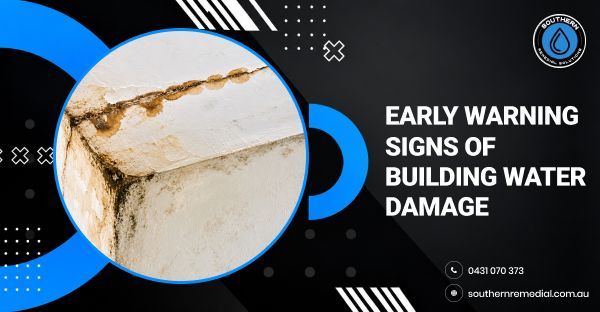
A hairline crack is rarely just a line on the surface. On balconies, driveways, retaining walls, and basement walls, it can point to movement, moisture, poor drainage, or steel corrosion under the finish. I have seen a small crack near an expansion joint turn into Remedial Building once the edge starts breaking away and rust staining bleeds through the render.
A patch over a crack can look neat for a while, then fail once the slab keeps moving or water keeps getting in. If the concrete has blistering paint, damp patches, or hollow-sounding areas, the job is already bigger than the visible crack.
Why Two Contractors See Two Different Jobs
One contractor may quote on what is obvious from the street. Another may check the underside of a balcony, the joint line, the drainage fall, the rust staining, and the condition of nearby mortar. Those two inspections will not produce the same scope.
A proper inspection picks up things homeowners often miss: cold joints in old pours, crumbling mortar around brick stitching repairs, or corroded flashing at wall junctions. Those details change the price quickly. It is a snapshot of how much the contractor thinks is failing, and how much hidden work sits behind it.
Materials and Methods Aren't One Size Fits All
Patch Job or Permanent Fix?
Not every crack needs the same treatment. Some surface cracks need sealing. Others need Epoxy Injection because water is actively tracking through the slab or wall.
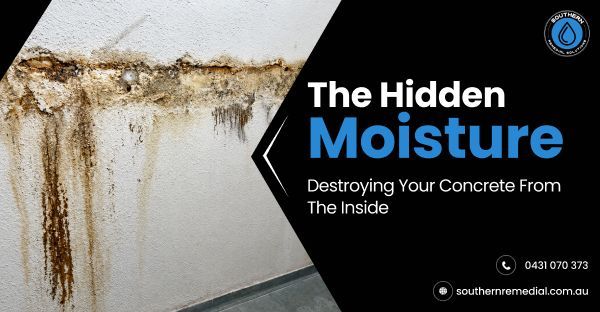
In the wrong hands, a quick patch can hide the problem without stopping it. That works for a month. It does not work for a wet basement wall with efflorescence already forming behind the paint.
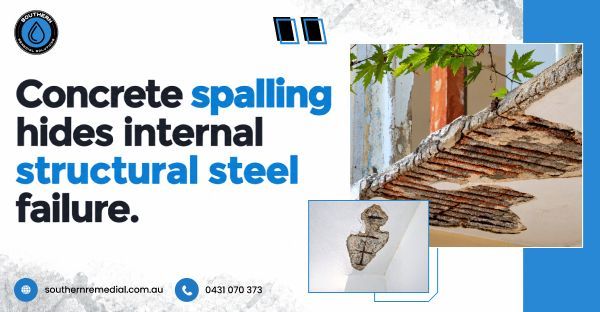
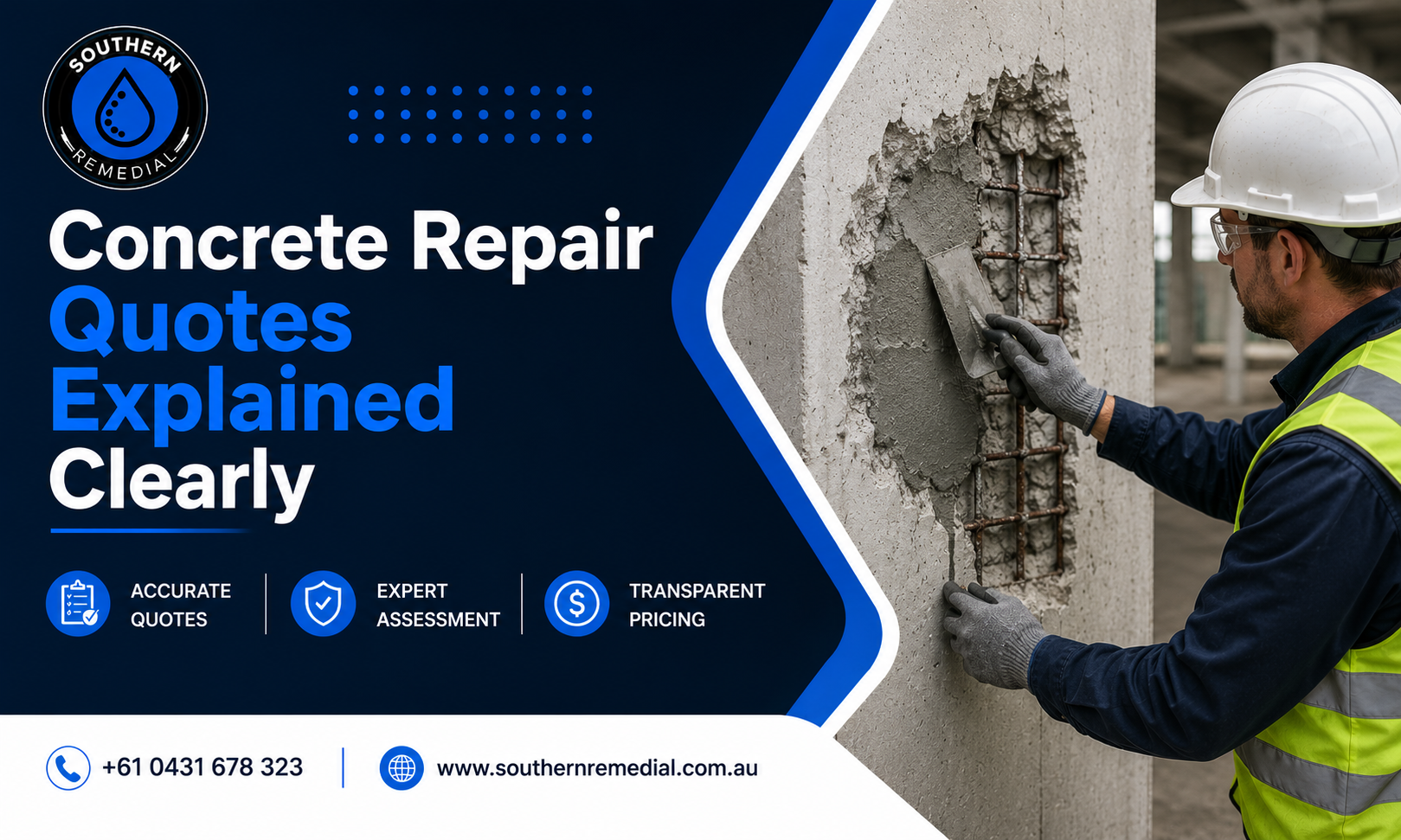
A basic fill is cheaper because it is fast and light on materials. Injection work takes more prep, more diagnosis, and more care around pressure control. Balcony edge repairs, structural cracks, and spalled edges with exposed reinforcement bars are never the same as cosmetic touch-ups.
Cheap Today, Costly Tomorrow
Low-grade repair materials can shave money off the quote, but they usually give it back later in callbacks, repainting, and repeated damage. It is better to see a contractor price the job properly once than to play games with thin coatings, weak fillers, and rushed prep.
Surface prep is where cheap jobs often cut corners. If loose concrete is not removed back to sound material, or if rusted steel is not cleaned and treated before patching, the repair is already compromised. The finish may look decent on day one. Six months later, blistering paint or fresh cracking tells a different story.
Experience and Compliance Cost Money
Licensed, insured contractors charge more for a reason. They carry overheads, training, proper equipment, and the risk of doing the work legally. They also have a name to protect.
A fly-by-night operator can undercut the market because they are not factoring in insurance, compliance, or any real warranty risk.
What Your Quote Actually Buys
A fair quote covers labour, access equipment, surface prep, removal of failed material, repair compounds, crack treatment, sealing, and clean-up. If the work is in a hard-to-reach spot, scaffolding or edge protection may also be part of the cost. That is not padding. It is the job.
It should also cover warranty terms and some accountability if the repair fails early. When a contractor prices those things in, the number rises. When they do not, the quote looks nice, and the risk falls on the homeowner.
Scope Creep Is Common in Concrete Repair
A low quote often wins by narrowing the work. It may cover the visible crack but ignore the damp source, the failed coating, or the adjacent spalled section. It may skip rust treatment, crack routing, or sealing around junctions where water keeps entering.
The low price sounds sensible until the contractor starts adding extras mid-job. By then, the real cost has already moved.
One Crack Rarely Travels Alone
Concrete damage likes company. A crack beside a balcony edge may come with rust staining, sagging at the edge, and degraded waterproofing. A basement wall crack may come with efflorescence, damp render, and salt damage nearby. Once one area fails, the surrounding material is often not far behind.
A careful contractor prices for the full picture. That is why two quotes for the same “crack repair” can be miles apart.
How to Compare Quotes the Right Way
Do not compare only the total price. Ask what is being removed, what is being repaired, which materials are being used, and how the contractor plans to deal with moisture or reinforcement corrosion. If a quote is one lump sum with no detail, treat it with caution.
An itemised quote tells you whether the contractor has inspected the job properly or just guessed from photos.
Closing
A fair concrete repair quote reflects the real condition of the structure, not a guess and not a race to the bottom. The spread between quotes often tells you more about the job than the job title does. If you want a proper assessment, book an inspection with Southern Remedial Solutions before small damage turns into a bigger structural bill.