Signs That Show Your Building's Concrete Needs Repair

Zeke Stankov • March 28, 2025

Signs That Show Your Building's Concrete Needs Repair

Concrete repair contractors

Concrete buildings are durable, but not indestructible. With time, use has the effect of weathering the surfaces and leading to apparent deterioration. Minor cracks and staining may appear insignificant, but are usually indicators of larger issues. Their neglect can result in costly repairs. Concrete repair contractors help homeowners to address issues before they spread. Knowledge of signs of damage enables early intervention and prevents costly structural damage.

Fissures are observed on the surface

Tiny hairline cracks do not appear to be dangerous, but they indicate that the structure is under stress. Temperature changes, humidity, and excessive weight cause concrete to expand and contract. This expansion and contraction cause cracks to develop over time.

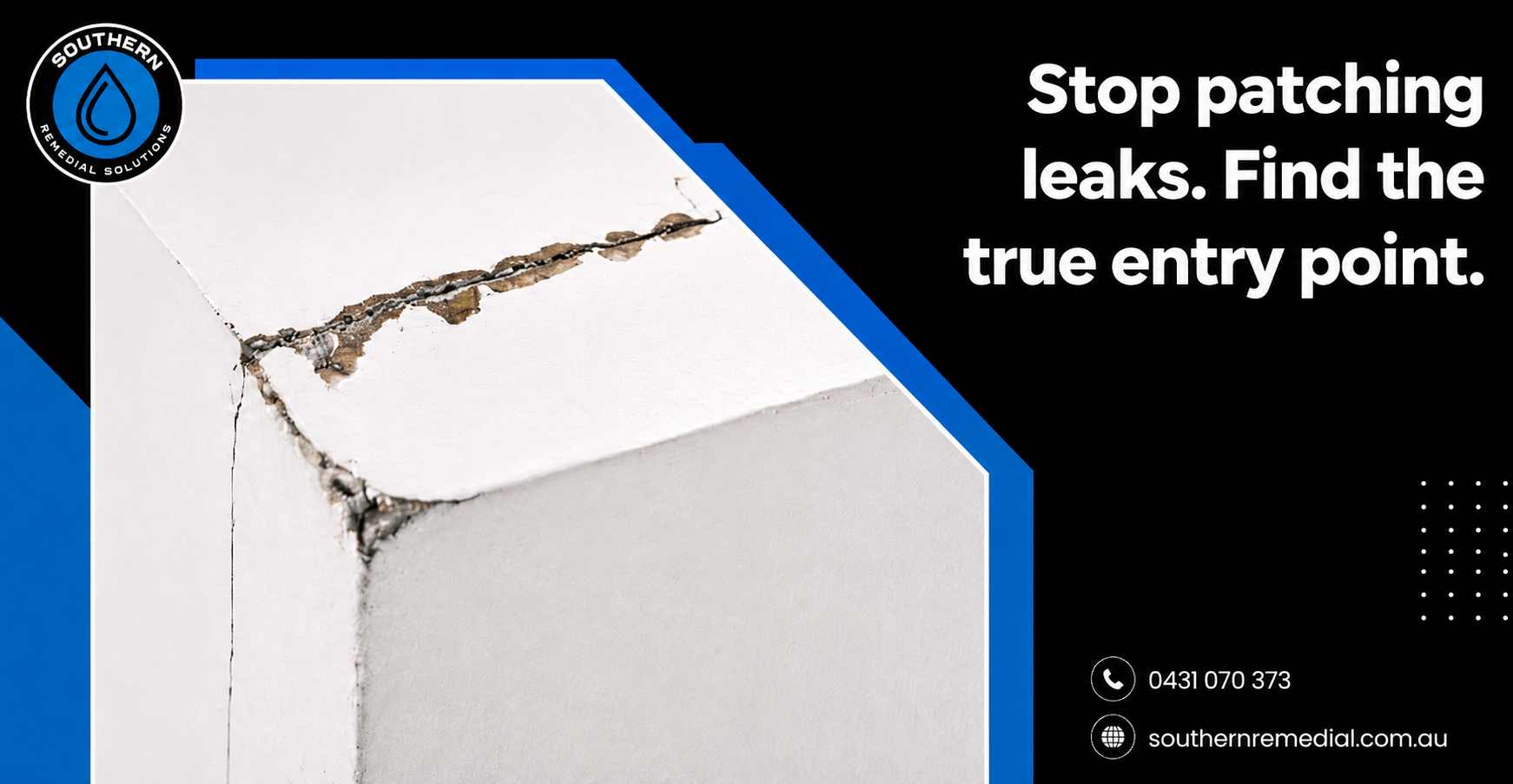
Big cracks equal bigger issues. They provide an entry point for water, which compromises the foundation. Water inside expands when it gets cold, further damaging the structure. Sealing tiny cracks early on avoids further damage. If openings grow or spread quickly, professional work is required.

Uneven or low patches are formed


Uneven terrain is hazardous. Sunken spots occur when the ground below settles or washes away. Concrete slabs settle unevenly as a result of inadequate drainage, heavy use, or roots. You usually find these signs on sidewalks, patios, and driveways.


Water ponding and tripping result from the shifting of the concrete. In serious conditions, there is damage to structures. Lifting and leveling remedied the surface. Intervention in its early stages conserves time and avoids major reconstruction work.

Discoloration and Stains Result

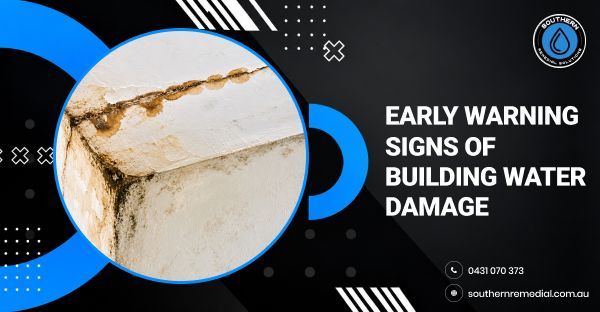
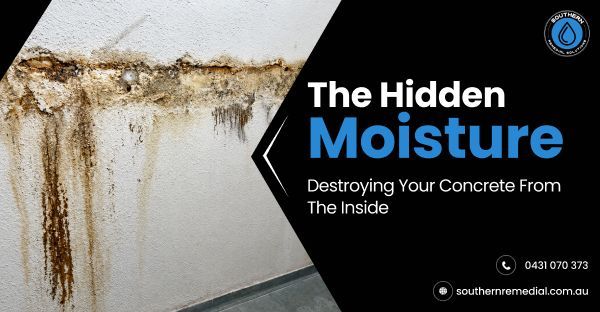
Dark spots or unusual stains indicate possible water damage or chemical exposure. Rust stains are a sign that the metal contained within the concrete is corroding. Oil spills and other chemicals leave difficult marks that weaken the surface.

Efflorescence, a white powder, is caused by moisture that deposits salts on the surface. It does not hurt the concrete at first but is an indication of excessive moisture. Sealing and washing the surface maintain durability. Discoloration that is extreme might need resurfacing or more repairs.


Chipping and flaking occur

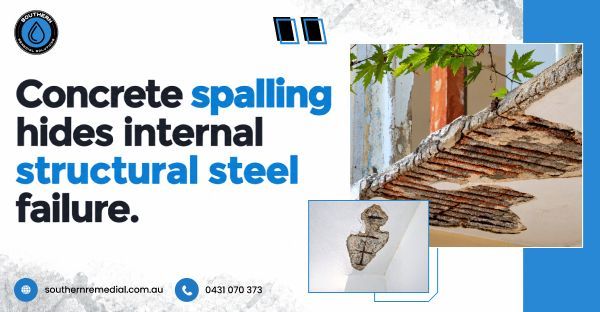
Surface degradation, also known as spalling, occurs when concrete peels or flakes off. The deterioration is caused by bad weather, bad installation, and too many freeze-thaw cycles. Water intrusion makes the situation worse, weakening the material with time.

Flaking weakens the strength of concrete, making it vulnerable to further damage. Sealants are applied or the affected areas are resurfaced to regain strength. In extreme cases, sections have to be ripped out and replaced.


There are water puddles on the ground


Water should drain off of concrete surfaces. Puddles after rain indicate drainage issues or that the surface is uneven. Water seeps into cracks and further damages the surface. Water freezes and expands in cold climates, which damages more.

Making the surface slope correctly and sealing cracks helps water drain better. For bigger problems, professional workers might need to raise or replace the affected areas.

Rusted or exposed reinforcements show


Concrete buildings typically have steel reinforcement to strengthen them. Water and air corrode steel over time, and the steel gets bigger in the concrete. This pressure makes the surrounding area weak and creates cracks.

Exposure of the steel bars indicates that there is severe damage. Rust spots on the exterior indicate that the internal support could already be compromised. Repairing the issue early prevents costly structural collapses.

Spaces Form Around Joints and Edges


Joints that open along structure edges or between slabs indicate movement or settlement. Ground movements and heat are responsible for this issue. Opening of the joint allows access to water and debris and adds instability when it happens.


Sealing the gaps avoids the entry of water and minimizes stress on the concrete. Expansion joints or elastic sealants hold it together. In the worst cases, levelling or reconstruction may be needed.

Surface Feels Rough or Worn


A smooth surface of concrete is stronger and more aesthetically pleasing. With time, the foot traffic, cars, and weather conditions make it rough. A rough surface absorbs more moisture, accelerating wear and tear.

Resurfacing makes the building look better and lasts longer. Maintenance, including sealing, prevents it from wearing off too rapidly.


Mildew and mold accumulate on surfaces


Moisture encourages mold and mildew growth. Green or black coloration of concrete is an indication that there is excess moisture. These are often displayed in driveways, patios, and basement floorings in moist areas.

Mold breaks down concrete and is also unhealthy. Drying moldy surfaces and fixing drainage prevents the issue from occurring again. Sealing the surface provides additional protection from water.


Final Thoughts
Detecting signs of damage in the early stages prevents costly repairs for homeowners. Cracking, color, and surface deterioration indicate potential problems in the structure. Repairing issues in advance extends the lifespan of driveways, patios, and foundations. Concrete repair contractors offer means to repair strength and stability. Preventive checks and maintenance make a home secure and durable.
concrete remediation
By Zeke Stankov February 23, 2026
Concrete spalling ruining your property? Discover proven ways to fix concrete cancer with expert concrete remediation solutions. Act before the damage spreads.
concrete remediation
By Zeke Stankov February 2, 2026
Learn the science behind condensation damage and how concrete repair contractors can fix it. Expert concrete remediation solutions available.
waterproofing Illawarra
By Zeke Stankov January 31, 2026
Dealing with rising damp in your property? Southern Remedial Solutions offers expert waterproofing Illawarra services and remedial building treatments to eliminate rising damp permanently.
concrete spalling
By Zeke Stankov January 26, 2026
Understand how salt air accelerates concrete spalling and building defects in Sydney and South Coast.
concrete remediation
By Zeke Stankov January 7, 2026
Stop BBQ damage before it's too late! Heat and grease cause concrete spalling and costly repairs. Learn prevention tips and when concrete remediation is needed for your balcony.
remedial building
By Zeke Stankov December 31, 2025
Discover how IoT sensors detect concrete spalling and structural issues early. Modern remedial building technology predicts failures before costly damage occurs.
By Zeke Stankov December 6, 2025
Water damage costs Australian property owners millions annually. Rain, salt, and moisture slowly sneak into cracks, joints, and porous concrete, then silently erode structural strength. But modern waterproofing isn’t magic — it’s advanced science solving age-old problems. In this post, you’ll learn how modern techniques protect buildings in coastal regions like the Illawarra. You’ll see how new polymers and smart injection methods work, why they beat old-school approaches, and why early remedial action can save you big in the long run. The Old Days vs. Now For decades, builders used basic waterproofing methods to try and keep buildings dry. Traditional waterproofing often meant tar, bitumen coatings, or basic membranes applied to walls or roofs. These methods might keep water out initially. Over time though, tar and simple membranes crack, peel, or break down under UV, temperature changes, or structural movement. Once they fail, water seeps in and damage begins. The breakthrough came when polymer chemistry and nanotechnology entered the scene. Instead of a simple surface coating, modern systems bond at a molecular level. They flex with the building, resist UV and salt, and seal even microscopic pores. These advances shift waterproofing from basic protection to lasting defence. Why waterproofing your basement is essential for long-term property value . How Modern Waterproofing in Illawarra Actually Works Today’s waterproofing doesn’t rely on layers of paint or tar. It works by sealing at the molecular scale. At its heart, molecular-level sealing means using materials that bond deeply with concrete or masonry. These sealants flow into tiny pores, capillaries, and cracks too small for the naked eye. Once cured, they block water from ever entering. One powerful method uses polyurethane or epoxy injection technology. For example, epoxy injection fills structural cracks in concrete and bonds within the crack itself. This prevents water ingress and restores strength. Many remedial specialists in the Illawarra now use epoxy injection as part of crack repair and waterproofing. Another advantage is elasticity: polymer-based membranes and coatings expand and contract with the structure without cracking. Some systems use breathable membranes: these block water from outside but allow moisture vapour inside the structure to escape. This balance keeps concrete dry and prevents trapped moisture — a key factor in long-term health of walls, balconies, and roofs. Then there’s crystalline waterproofing: a technology where waterproofing crystals within a coating activate when they meet moisture. They grow and fill pores, forming a permanent, self-sealing barrier that resists water even under pressure. The "Magic" Epoxy Injection Application When you see modern waterproofing in action, it can feel like magic — but it’s science at work. One common use is crack injection repairs. Tiny cracks in concrete, sometimes invisible to the untrained eye, are filled with epoxy or polyurethane resin. This fills microscopic gaps and blocks any path for water. Over time, even pressure from rising damp or hydrostatic water won’t push through. For rising damp — when groundwater wicks up through walls — modern damp treatments cut off the water at its source. Moisture-blocking barriers and damp-proof courses stop upward movement of water, protecting plaster, render, and interior surfaces. Protective coatings add another dimension. High-quality polyurethane or polymer coatings can last decades, not just a few years. This offers long-term weatherproofing for balconies, roofs, and exposed concrete. Here’s a real-world example: imagine a concrete balcony suffering early spalling — small pieces flaking off because steel inside is corroding. Left unchecked, the damage spreads, weakening the structure. With prompt remedial work, technicians can inject cracks, treat exposed reinforcement, and apply a waterproof membrane or coating. The concrete is sealed, reinforced, and shielded against further water — stopping the spread. Why Waterproofing in Illawarra Matters for Your Property Waterproofing isn’t just about keeping things dry. It matters deeply for safety, value, and long-term savings. First, long-term cost savings : investing in modern waterproofing now avoids repeated repairs later. Water damage can lead to expensive concrete restoration, mould treatment, rust repair, paintwork — sometimes even structural reinforcement if concrete cancer takes hold. Preventing ingress early is far cheaper. Second, structural integrity . Water infiltration corrodes steel inside concrete. Over time, this weakens beams, slabs, and columns. Proper waterproofing preserves the building’s strength and stability. Third, mould and health risks . Moisture encourages mould, mildew, and damp smells. For residents — especially in damp-prone coastal areas like the Illawarra — that can mean poor indoor air quality, health problems, and degraded living comfort. Good waterproofing keeps water — and mould — out. Fourth, property value preservation . A well-sealed, moisture-free building holds its value longer. Buyers and tenants notice when balconies, bathrooms, or walls are damp, stained, or showing rust. A building with good waterproofing stays attractive, stable, and safe. Why do you need professional concrete remediation solutions . Modern waterproofing combines chemistry, engineering, and expertise. It uses polymer science, epoxy injection, crystalline barriers, breathable membranes — not guesswork. With these tools, buildings survive rain, salt, moisture, and time. But the difference lies in proper assessment and skilled application. A specialist can spot vulnerabilities you might miss, and apply the right method for your building. If you live in the Illawarra region and want to protect your property from water damage, it makes sense to get a professional inspection. Contact Southern Remedial Solutions for a full assessment and tailored waterproofing and repair plan. Keep your building safe, dry, and strong — before small problems become big ones.
concrete remediation
By Zeke Stankov November 26, 2025
Discover how cold weather destroys concrete through freeze-thaw cycles. Learn about concrete remediation solutions to protect your property this winter.
concrete spalling
By Zeke Stankov November 20, 2025
Make 2025 the year of proactive remedial building care. Prevent concrete spalling and costly repairs with maintenance resolutions that protect your property.
waterproofing Illawarra
By Zeke Stankov November 7, 2025
New apartment in Illawarra? Waterproofing failures & concrete spalling often appear after move-in. Here's your 2-year hidden defects action plan.
technician holding a clipboard and pen
  • Get in Touch

    We hope you enjoy reading this blog post!


    If you need specialist remedial building works in Wollongong, Sydney, or the South Coast, look no further than Southern Remedial Solutions. We use industry-leading technologies to deliver high-quality solutions to our clients.


    Get in Touch


We hope you enjoy reading this blog post!

If you need specialist remedial building works in Wollongong, Sydney, or the South Coast, look no further than Southern Remedial Solutions. We use industry-leading technologies to deliver high-quality solutions to our clients.