Is Your Concrete Spalling or Ready for the Next Storm?

Zeke Stankov • October 8, 2025
concrete repair contractors

Australia is seeing more frequent and intense storms. From damaging hail in Queensland to coastal deluges in NSW—weather extremes are no longer rare. Recent Bureau of Meteorology data show an uptick in storms that cause large property damage. Waiting for damage to happen is costly.

Proactive building assessment beats reactive repairs. And catching issues early saves money, protects safety and reduces stress.


Key Storm Vulnerabilities in Buildings

Storms stress every part of a building. Some weak points take damage first. Knowing where those are, helps you act ahead of time.

  • Roofing systems 

Roofs take a beating. Strong winds may lift or break tiles. Gutters can clog or detach. Flashing (the metal strips around joins and chimneys) can be torn or shifted. Any of these allow wind or water in.

  • Windows and doors 

Windows and doors must seal tightly. If seals fail, water penetrates. Frames may warp in strong wind, or hinges and locks weaken. In many buildings, windows don’t have storm-rated coverings or shutters.

  • External walls

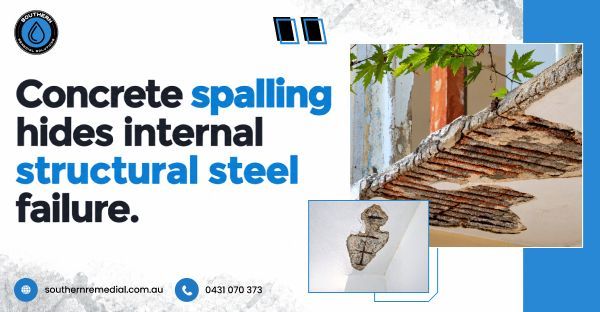
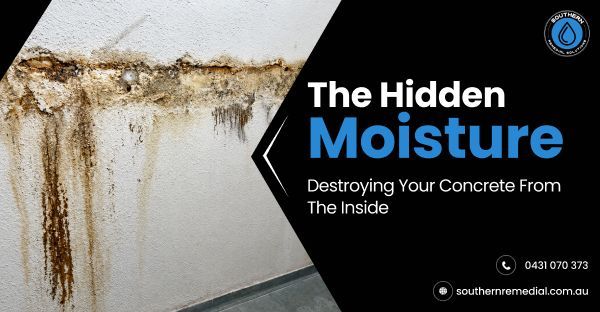
Walls are more than an aesthetic shell—they keep storms out. Cracks in masonry or render let water seep in. Cladding that’s improperly fixed or deteriorated can peel off or allow water entry. Also, concrete spalling (when concrete surface flakes or chips away) exposes steel reinforcements to water, which worsens the damage.

  • Drainage systems

If water can’t run away fast enough, it builds up. Roof water, run-off from hard surfaces, clogged downpipes, or blocked stormwater drains all cause pooling. This leads to flooding, erosion around foundations, leaks, or undermining of structural soil support.

What is magnesite removal – understanding what it is and when you should get it. 


Essential Pre‑Storm Preparations

You want your building to face a storm without surprises. Some things you can do yourself. Others need expert hands. Start now, well before heavy rain and wind hit. Immediate actions include - 

  1. Clean gutters, downspouts and stormwater drains. Remove leaves, debris and obstructions.

  2. Secure or remove loose objects around the property—outside furniture, signs, or loose roofing elements.

  3. Check seals around windows, doors and roof penetrations. Replace or repair worn sealing strips, flashing, and weather-strips.

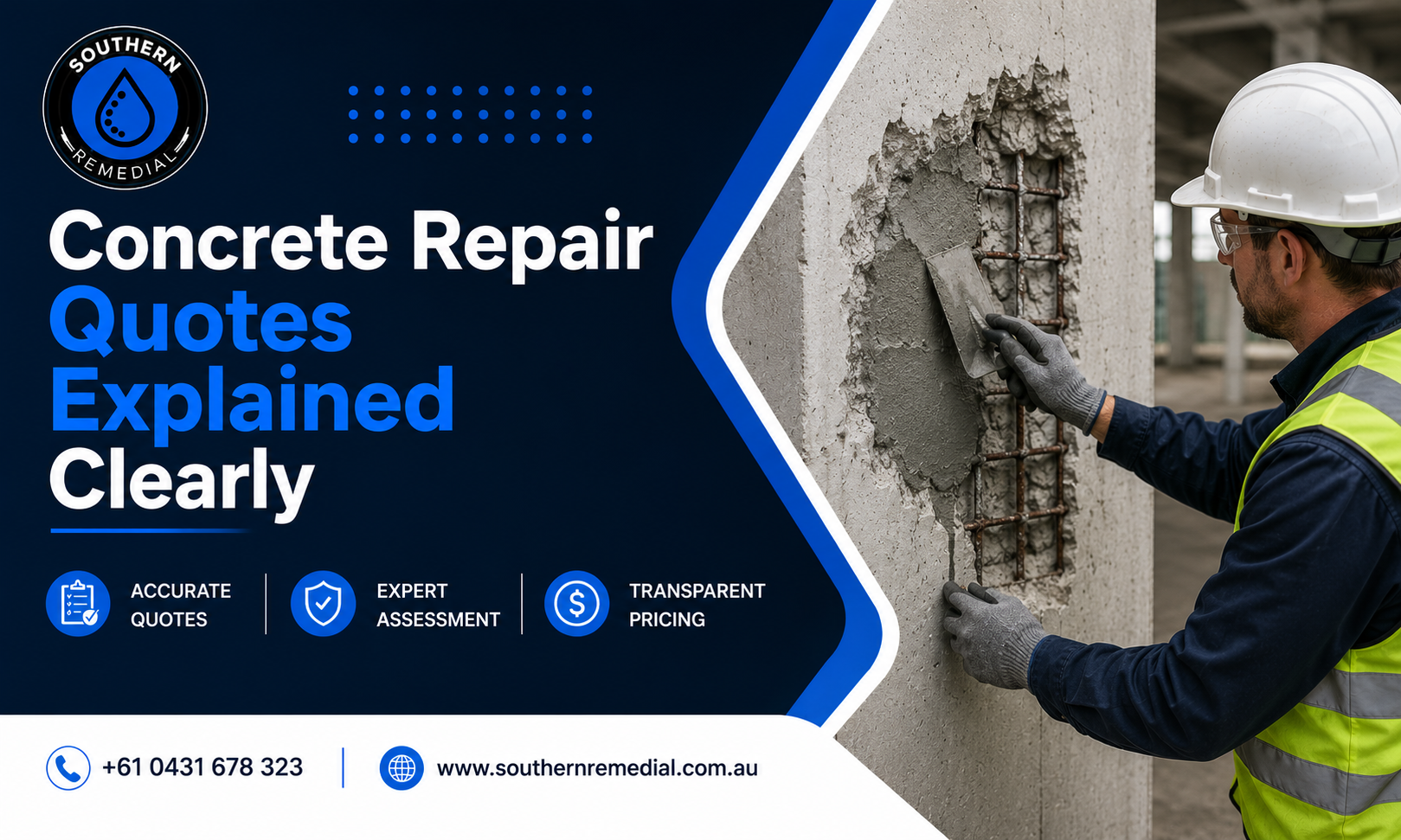
DIY inspections work for visible damage and maintenance. But call in concrete repair contractors or remedial building specialists when you notice structural cracks; when concrete spalling or concrete cancer appears; or when complex waterproofing, roofing, or structural reinforcement seems needed. Experts can uncover hidden damage. They have tools to test moisture, strength, reinforcement corrosion, etc.

Warning Signs Your Concrete is Spalling

Storm damage shows itself early if you know what to look for. Don’t wait for a big crisis. Watch for small failures—they’re often the first sign.

  • Water stains or dampness

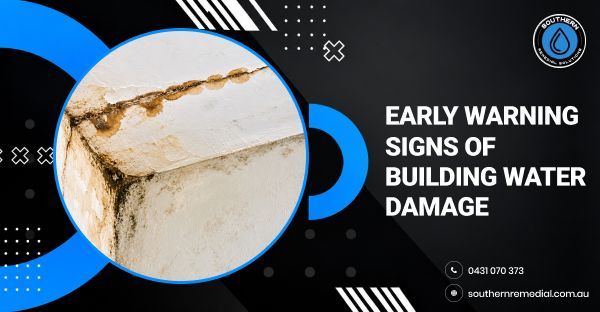
Stained ceilings, walls, or patches of mould inside are bad news. They mean water is getting through somewhere. Could be roof, wall, or even ground water.

  • Visible cracks in walls or foundations

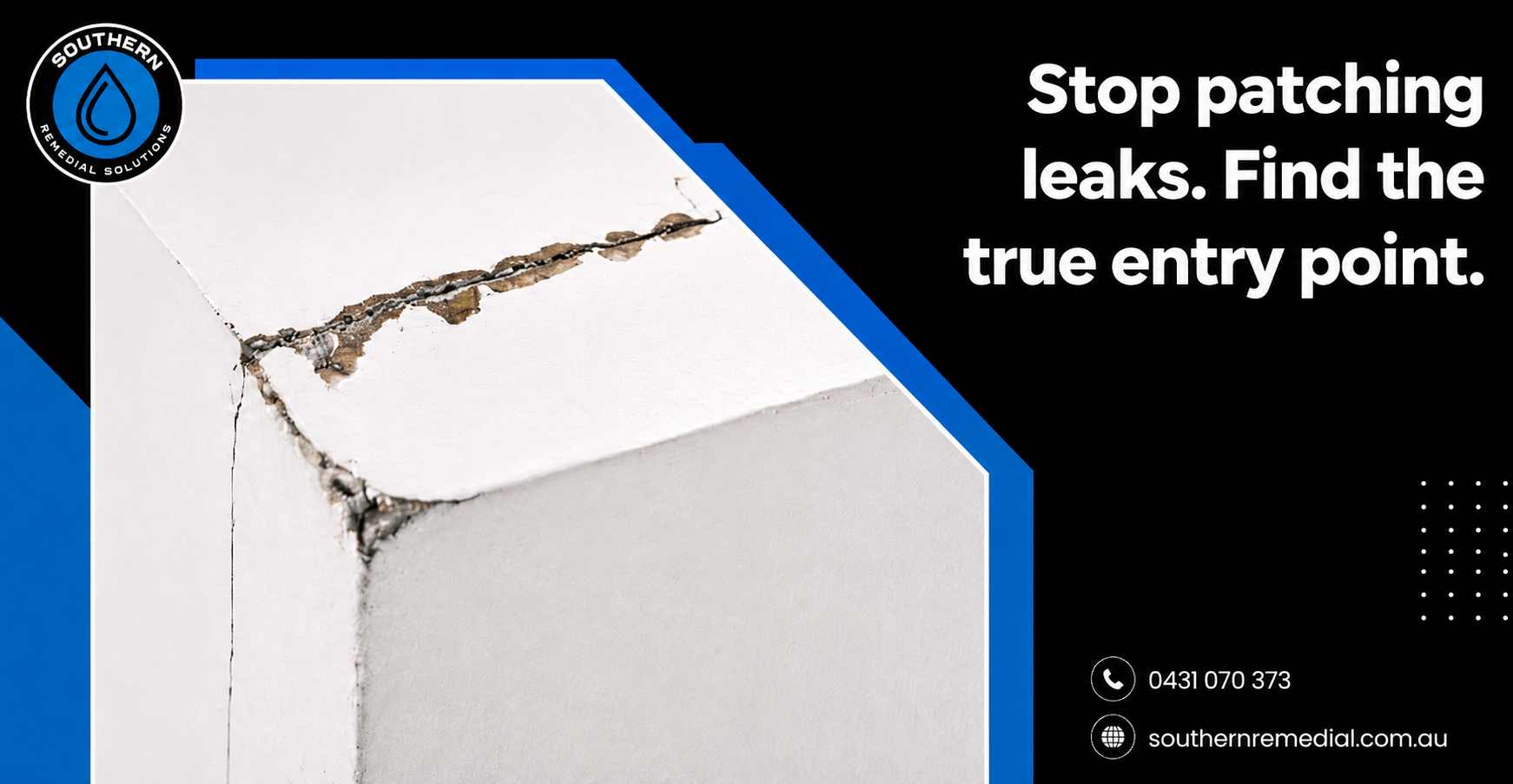
Hairline cracks may widen under pressure. Cracks in foundations or load‑bearing walls can signal serious structural issues. Early repair is cheaper and safer.

  • Loose or missing roof materials

Tiles shifted, metal roof sheets loose, broken flashings, missing ridge caps—all invite water and wind damage.

  • Poor drainage around the building

Pooling water near foundations. Guttering overflowing. Soft soil around walls. All raise risk of water ingress, erosion, and foundation movement.

Understanding signs that show your building’s concrete needs repair

Professional Storm‑Proofing Services

Some work requires specialist tools, knowledge and techniques. Professional help makes a difference. It ensures your building not only weathers one storm but many.

  • Structural assessments and waterproofing

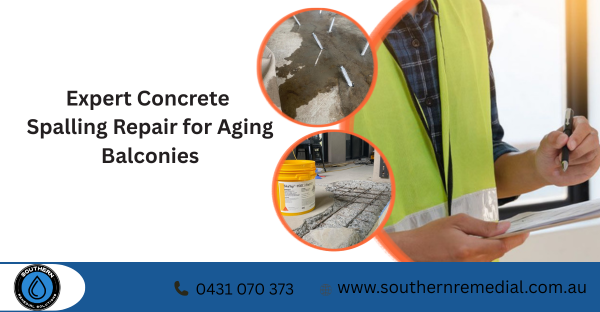
Experts can test structural strength, check reinforcement corrosion, assess moisture absorption. They can apply waterproofing membranes, sealants, coatings, moisture barriers. This includes dealing with concrete spalling or concrete cancer to prevent deterioration of key load‑bearing elements.

  • Roof repairs and reinforcement

Repair or replace damaged roofing tiles, metal sheeting, ridge caps and flashings. Reinforce roof trusses if needed. Ensure gutters and downpipes are securely fixed and correctly sized.

  • Window and door upgrades

Install storm‑rated windows, reinforced frames, proper sealing. Add shutters or storm panels. Replace damaged seals and tracks.

  • Drainage improvements

Ensure gutters, downpipes and stormwater drains are clean, properly pitched, sized. Redirect soil slope away from foundations. Install or maintain surface and subsurface drains where needed.

The Cost of Being Unprepared

Skipping preparation seems cheaper—until something breaks. The financial, safety, and operational costs of storm damage add up fast.

  • Emergency repair costs vs preventive maintenance

Emergency storm repairs can cost many times more. Fixing a collapsed roof or flooded basement eats into budgets. Regular maintenance and repairs—such as work by concrete repair contractors—cost far less over time.

  • Insurance complications and claim rejections

Insurers expect maintenance. If you can’t prove you regularly looked after your building, claims may be denied. Unreported damage (like ongoing spalling or unseen leaks) will weaken your case.

  • Business disruption and safety risks

Storm damage can shut down operations. Employees or residents may be unsafe. Slip or fall hazards, structural collapse risks, mould illness all come from deferred maintenance.

Contact Concrete Repair Contractors 

Your building can withstand the storms ahead—but only if you act now. By spotting weaknesses in your roof, windows, walls or drainage; by taking preparatory steps; and by hiring the right professionals, you protect your structure, your people, and your wallet.


If you want to know whether your building is storm‑ready, Southern Remedial Solutions can help. We offer inspections, concrete spalling and cancer repair, waterproofing, roof and window upgrades, and drainage services to make buildings safer and more resilient.

Contact us today at 0431 070 373 for a no‑obligation on‑site assessment. Let’s get ahead of the next storm—before it hits.
concrete remediation
By Zeke Stankov February 23, 2026
Concrete spalling ruining your property? Discover proven ways to fix concrete cancer with expert concrete remediation solutions. Act before the damage spreads.
concrete remediation
By Zeke Stankov February 2, 2026
Learn the science behind condensation damage and how concrete repair contractors can fix it. Expert concrete remediation solutions available.
waterproofing Illawarra
By Zeke Stankov January 31, 2026
Dealing with rising damp in your property? Southern Remedial Solutions offers expert waterproofing Illawarra services and remedial building treatments to eliminate rising damp permanently.
concrete spalling
By Zeke Stankov January 26, 2026
Understand how salt air accelerates concrete spalling and building defects in Sydney and South Coast.
concrete remediation
By Zeke Stankov January 7, 2026
Stop BBQ damage before it's too late! Heat and grease cause concrete spalling and costly repairs. Learn prevention tips and when concrete remediation is needed for your balcony.
remedial building
By Zeke Stankov December 31, 2025
Discover how IoT sensors detect concrete spalling and structural issues early. Modern remedial building technology predicts failures before costly damage occurs.
By Zeke Stankov December 6, 2025
Water damage costs Australian property owners millions annually. Rain, salt, and moisture slowly sneak into cracks, joints, and porous concrete, then silently erode structural strength. But modern waterproofing isn’t magic — it’s advanced science solving age-old problems. In this post, you’ll learn how modern techniques protect buildings in coastal regions like the Illawarra. You’ll see how new polymers and smart injection methods work, why they beat old-school approaches, and why early remedial action can save you big in the long run. The Old Days vs. Now For decades, builders used basic waterproofing methods to try and keep buildings dry. Traditional waterproofing often meant tar, bitumen coatings, or basic membranes applied to walls or roofs. These methods might keep water out initially. Over time though, tar and simple membranes crack, peel, or break down under UV, temperature changes, or structural movement. Once they fail, water seeps in and damage begins. The breakthrough came when polymer chemistry and nanotechnology entered the scene. Instead of a simple surface coating, modern systems bond at a molecular level. They flex with the building, resist UV and salt, and seal even microscopic pores. These advances shift waterproofing from basic protection to lasting defence. Why waterproofing your basement is essential for long-term property value . How Modern Waterproofing in Illawarra Actually Works Today’s waterproofing doesn’t rely on layers of paint or tar. It works by sealing at the molecular scale. At its heart, molecular-level sealing means using materials that bond deeply with concrete or masonry. These sealants flow into tiny pores, capillaries, and cracks too small for the naked eye. Once cured, they block water from ever entering. One powerful method uses polyurethane or epoxy injection technology. For example, epoxy injection fills structural cracks in concrete and bonds within the crack itself. This prevents water ingress and restores strength. Many remedial specialists in the Illawarra now use epoxy injection as part of crack repair and waterproofing. Another advantage is elasticity: polymer-based membranes and coatings expand and contract with the structure without cracking. Some systems use breathable membranes: these block water from outside but allow moisture vapour inside the structure to escape. This balance keeps concrete dry and prevents trapped moisture — a key factor in long-term health of walls, balconies, and roofs. Then there’s crystalline waterproofing: a technology where waterproofing crystals within a coating activate when they meet moisture. They grow and fill pores, forming a permanent, self-sealing barrier that resists water even under pressure. The "Magic" Epoxy Injection Application When you see modern waterproofing in action, it can feel like magic — but it’s science at work. One common use is crack injection repairs. Tiny cracks in concrete, sometimes invisible to the untrained eye, are filled with epoxy or polyurethane resin. This fills microscopic gaps and blocks any path for water. Over time, even pressure from rising damp or hydrostatic water won’t push through. For rising damp — when groundwater wicks up through walls — modern damp treatments cut off the water at its source. Moisture-blocking barriers and damp-proof courses stop upward movement of water, protecting plaster, render, and interior surfaces. Protective coatings add another dimension. High-quality polyurethane or polymer coatings can last decades, not just a few years. This offers long-term weatherproofing for balconies, roofs, and exposed concrete. Here’s a real-world example: imagine a concrete balcony suffering early spalling — small pieces flaking off because steel inside is corroding. Left unchecked, the damage spreads, weakening the structure. With prompt remedial work, technicians can inject cracks, treat exposed reinforcement, and apply a waterproof membrane or coating. The concrete is sealed, reinforced, and shielded against further water — stopping the spread. Why Waterproofing in Illawarra Matters for Your Property Waterproofing isn’t just about keeping things dry. It matters deeply for safety, value, and long-term savings. First, long-term cost savings : investing in modern waterproofing now avoids repeated repairs later. Water damage can lead to expensive concrete restoration, mould treatment, rust repair, paintwork — sometimes even structural reinforcement if concrete cancer takes hold. Preventing ingress early is far cheaper. Second, structural integrity . Water infiltration corrodes steel inside concrete. Over time, this weakens beams, slabs, and columns. Proper waterproofing preserves the building’s strength and stability. Third, mould and health risks . Moisture encourages mould, mildew, and damp smells. For residents — especially in damp-prone coastal areas like the Illawarra — that can mean poor indoor air quality, health problems, and degraded living comfort. Good waterproofing keeps water — and mould — out. Fourth, property value preservation . A well-sealed, moisture-free building holds its value longer. Buyers and tenants notice when balconies, bathrooms, or walls are damp, stained, or showing rust. A building with good waterproofing stays attractive, stable, and safe. Why do you need professional concrete remediation solutions . Modern waterproofing combines chemistry, engineering, and expertise. It uses polymer science, epoxy injection, crystalline barriers, breathable membranes — not guesswork. With these tools, buildings survive rain, salt, moisture, and time. But the difference lies in proper assessment and skilled application. A specialist can spot vulnerabilities you might miss, and apply the right method for your building. If you live in the Illawarra region and want to protect your property from water damage, it makes sense to get a professional inspection. Contact Southern Remedial Solutions for a full assessment and tailored waterproofing and repair plan. Keep your building safe, dry, and strong — before small problems become big ones.
concrete remediation
By Zeke Stankov November 26, 2025
Discover how cold weather destroys concrete through freeze-thaw cycles. Learn about concrete remediation solutions to protect your property this winter.
concrete spalling
By Zeke Stankov November 20, 2025
Make 2025 the year of proactive remedial building care. Prevent concrete spalling and costly repairs with maintenance resolutions that protect your property.
waterproofing Illawarra
By Zeke Stankov November 7, 2025
New apartment in Illawarra? Waterproofing failures & concrete spalling often appear after move-in. Here's your 2-year hidden defects action plan.
technician holding a clipboard and pen
  • Get in Touch

    We hope you enjoy reading this blog post!


    If you need specialist remedial building works in Wollongong, Sydney, or the South Coast, look no further than Southern Remedial Solutions. We use industry-leading technologies to deliver high-quality solutions to our clients.


    Get in Touch


We hope you enjoy reading this blog post!

If you need specialist remedial building works in Wollongong, Sydney, or the South Coast, look no further than Southern Remedial Solutions. We use industry-leading technologies to deliver high-quality solutions to our clients.