What is the Science Behind Concrete Sweating & How Concrete Remediation Can Help
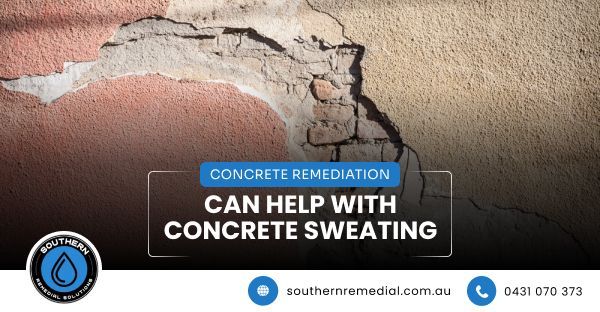
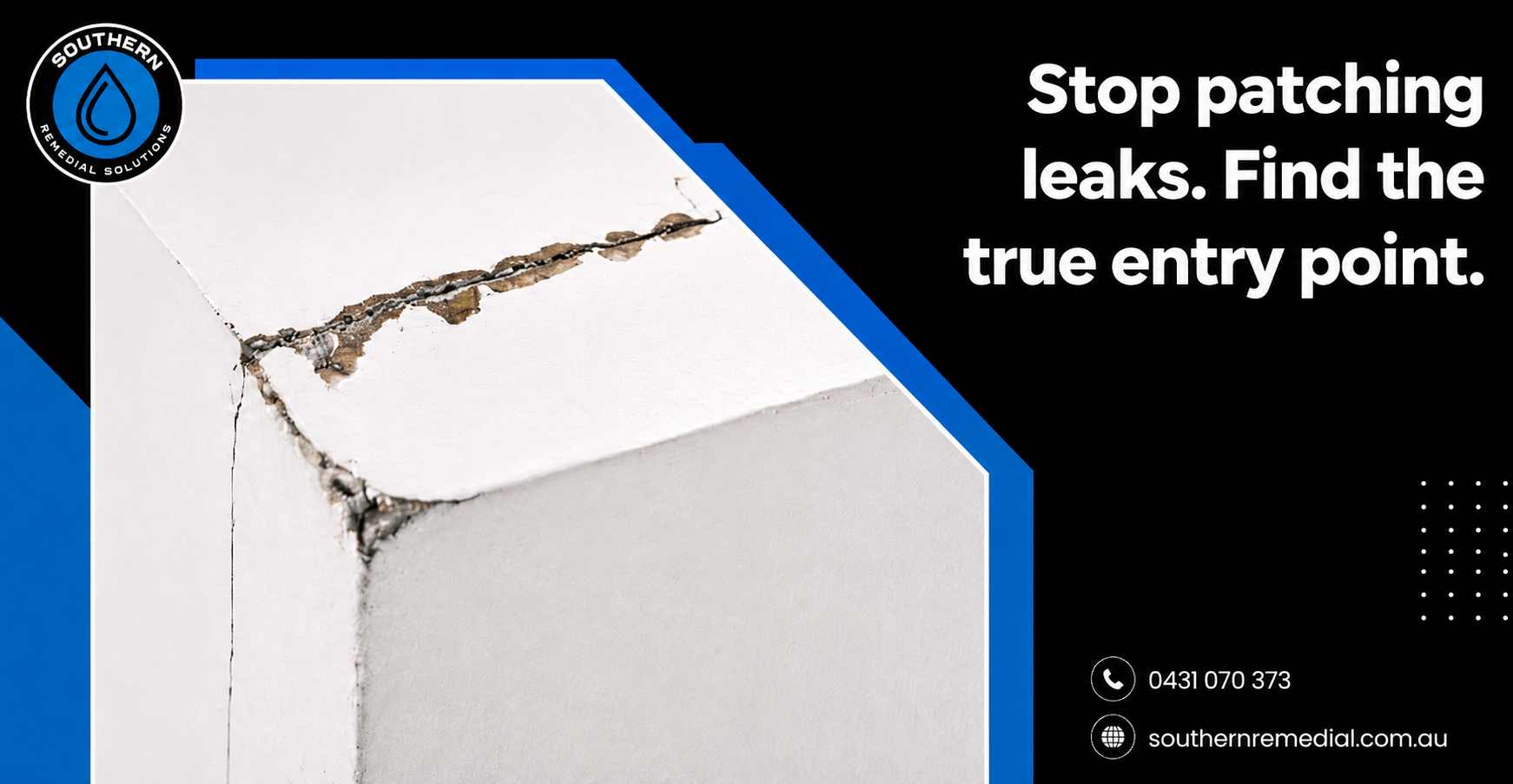
Concrete “sweating” can look harmless at first. But it often signals a moisture imbalance that can damage finishes, create safety risks, and accelerate deterioration.
You might notice tiny beads of water on a slab. You may see dark damp patches that come and go. Some floors feel slick underfoot, especially in garages or storage areas. In severe cases, cartons, tools, and stored items feel damp even when it has not rained.
In many Australian homes, humidity swings and temperature changes happen fast. This makes surface condensation more likely. Once moisture appears, it can feed mould, lift floor coatings, and increase slip risks. If the real cause is missed, the same “sweat” returns season after season—often worse each year.
What Causes Concrete to "Sweat"?
Concrete does not “create” water on its own. What you see is usually moisture from the air turning into liquid on a cooler surface. This is basic condensation physics, showing up on a slab.
- Temperature differential: when warm, humid air meets cold concrete
Condensation forms when warm, moisture-laden air touches a cooler surface and the air cools down at that surface. If the surface is cool enough, water vapour turns into droplets. This is the same reason droplets form on the outside of a cold drink.
Concrete slabs are often cooler than the surrounding air because:
- the ground below stays cooler and more stable than daily air temperatures
- shaded garages and ground-floor areas do not warm up as quickly
- air conditioning cools indoor air while the slab remains cold underneath
- Dew point explanation (kept simple)
Think of the air like a sponge. Warm air can “hold” more water vapour than cold air. The dew point is the temperature where the air is full and can’t hold that moisture anymore. When air hits a surface colder than the dew point, water has to drop out as liquid.
- Why it happens more in certain seasons (summer humidity, winter cold)
Concrete sweating can show up in different ways across the year:
- Summer / stormy humidity: moist outside air moves into a cooler garage or tiled ground-floor area. The slab becomes the cold surface where condensation appears.
- Winter cold snaps: indoor heating raises air temperature, but some slab areas (especially edges, corners, and shaded rooms) stay cold. If indoor humidity is high, condensation can still form.
You may also see it in “shoulder seasons” when warm days and cool nights alternate quickly.
- Common locations: garages, basements, ground-floor slabs
Concrete sweating usually appears where slabs stay coolest and airflow is limited:
- garages and workshops (especially near roller doors)
- basements or semi-underground rooms
- ground-floor slabs under vinyl, rubber flooring, or stored rugs
- corners and slab edges where temperatures drop faster
How climate change is accelerating concrete damage.
Why Australian Homes Are Particularly Vulnerable
Australian conditions vary widely, but many homes experience sharp humidity shifts. Modern building practices can also reduce natural airflow. Together, this increases the chance that a slab becomes the cold surface where condensation forms.
- High humidity in coastal and tropical regions
Coastal air often carries high moisture. Tropical and subtropical zones can sit at high humidity for long periods. When that air enters a cooler internal space, condensation becomes more likely—especially on slab floors and masonry.
- Air conditioning creating temperature extremes
Air conditioning can cool indoor air quickly. If a concrete slab stays cool from ground contact, the surface may sit below dew point while humid air continues to circulate. That temperature gap is a common driver of slab condensation.
- Poor ventilation in newer, sealed homes
Many newer homes are more airtight and is good for energy control, but it can trap moisture from showers, cooking, and drying laundry indoors. Without deliberate ventilation, indoor humidity rises and condensation risk increases—often in rooms you do not expect.
- Ground moisture in areas with high water tables
Not all “sweating” is pure condensation. In some properties, moisture can migrate upward through the slab or enter at edges due to drainage and site conditions. Slab-edge dampness, failed membranes, or poor surface drainage can keep a slab cooler and wetter, making condensation easier to trigger and harder to distinguish from other moisture sources.
The Real Damage Behind the Moisture
Surface moisture is not just cosmetic. Repeated wetting and drying stresses coatings and flooring systems. If moisture also interacts with salts or steel reinforcement, deterioration can accelerate.
- Concrete deterioration and spalling
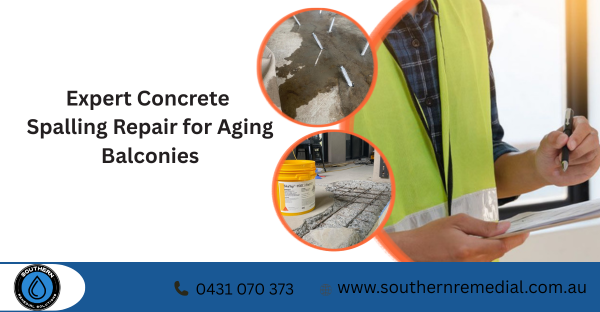
When moisture enters concrete repeatedly, it can carry salts and increase corrosion risk in reinforced concrete. Over time, rusting steel expands and can cause cracking and spalling (often called “concrete cancer” in Australia). Even if sweating starts as condensation, it can contribute to a cycle that keeps the concrete damp longer.
- Mold and mildew growth
Condensation raises surface humidity. This creates ideal conditions for mould on nearby skirting boards, stored items, cardboard, fabrics, and dust layers. Your nose often detects the issue before your eyes do.
- Slip hazards
A thin film of moisture on smooth concrete can be extremely slippery. Garages and common access areas are high-risk zones, especially when vehicles bring in humid air and the slab is cool.
- Damage to flooring, coatings, and stored items
Sweating can:
- lift epoxy and paint coatings
- cause vinyl or adhesive failures
- warp timber overlays or damage underlays
- ruin stored goods through damp, rust, and mould
- Structural implications if left unchecked
Concrete sweating is often a symptom of a larger moisture pattern. If you ignore it, you may miss failed waterproofing, chronic drainage issues, or ongoing damp exposure that shortens the service life of slabs and adjoining structural elements.
Concrete Remediation Solutions
There is no single fix that suits every property. The goal is to break the condensation chain: reduce humidity, raise surface temperature, or stop moisture entry. Start with low-disruption steps, then move to building-level solutions if needed.
- Improve ventilation (dehumidifiers, fans, airflow)
- Use a dehumidifier in enclosed areas during humid periods.
- Run fans to increase air movement across the slab surface.
- Improve cross-ventilation in garages and storage areas where safe and practical.
- Control indoor humidity levels
- Use exhaust fans in bathrooms and kitchens consistently.
- Avoid drying laundry indoors without ventilation.
- Keep internal doors open where it helps balance airflow.
- Monitor humidity with a basic hygrometer so you can act before condensation appears.
- Proper drainage around the home
External drainage matters even for indoor sweating. Poor grading and blocked drains can keep the ground near the slab wet and cool. This creates a surface that is more likely to sit below dew point.
- Vapor barriers and sealants
In some cases, a suitable vapour barrier system or concrete sealer can reduce moisture movement and help stabilise the surface condition. Product choice matters. The wrong coating can trap moisture and fail prematurely.
- Professional waterproofing solutions
If waterproofing membranes have failed, moisture can enter slabs, walls, balconies, and roofs and lead to mould and concrete deterioration. Southern Remedial Solutions lists services including waterproofing, leak sealing, cavity and flashing repairs, rising damp treatments, and protective coatings—often the right next step when moisture is persistent.
Things to do after moving inside a new apartment.
Southern Remedial Concrete Repair Contractors
Treat sweating as an early warning. Track when it appears, which areas are affected, and what the weather and indoor conditions are doing. This information helps confirm whether you are dealing with condensation or a deeper moisture pathway that needs fixing.
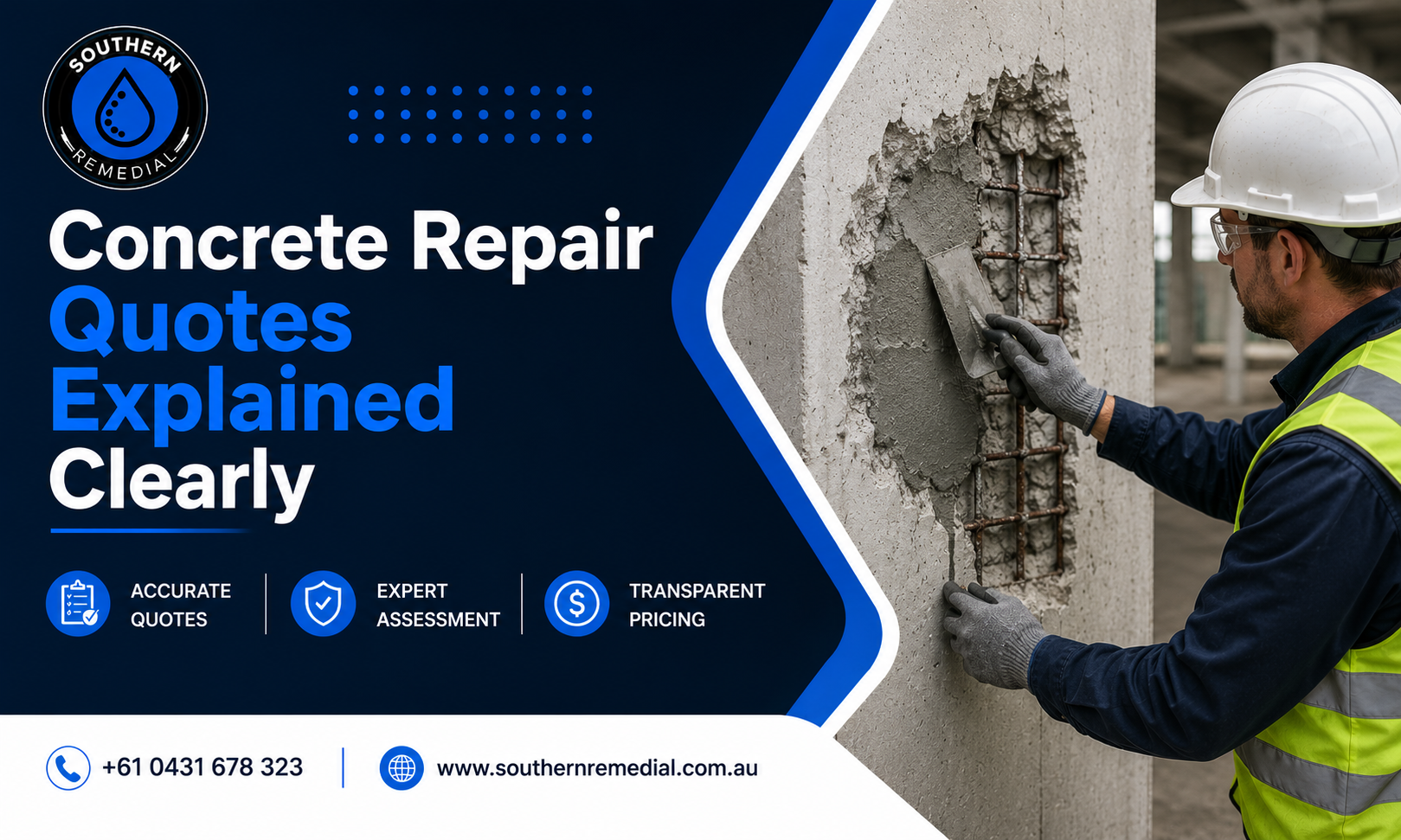
If your slab stays damp, slippery, or keeps damaging coatings, get a proper assessment before the next humid spell. The right concrete remediation plan often starts with diagnosis, then targeted moisture control and repair.
If you suspect the issue is beyond basic ventilation fixes, speak with qualified concrete repair contractors and remedial specialists to identify the cause and lock in a durable solution. Get in touch with us NOW.