How Your Balcony BBQs Cause Concrete Spalling (And How to Stop It)
Zeke Stankov • January 7, 2026

A balcony BBQ feels harmless. It’s part of apartment living across Australia. But heat, grease, and moisture don’t stay on the surface. Over time, they sink in and stress the concrete beneath your feet. 

Balcony damage rarely stays local. Cracks spread. Steel rusts. Pieces break away. What starts as weekend cooking can end in safety risks, strata disputes, and costly repairs. 

Let us understand how BBQs damage balcony slabs, the early warning signs, and what you can do now to avoid serious repair work later.


How BBQs Help in Concrete Spalling 

Concrete looks solid and tough. But it is porous and sensitive to heat and chemicals. BBQ use exposes it to both, again and again, often in confined balcony spaces.

Heat Damage

BBQs generate concentrated heat. On a balcony, that heat reflects off walls and slabs. Over time, thermal stress builds inside the concrete.

  •   Direct heat causes concrete to expand and crack

When concrete heats up, it expands. When it cools, it contracts. Direct heat from grills creates uneven expansion. This leads to surface cracking, even if the slab looks fine at first.

  •   Repeated heating and cooling cycles weaken the structure

One BBQ won’t cause failure. But repeated cycles do. Weekly use slowly reduces concrete strength. Micro-cracks form. These cracks allow moisture and contaminants to move deeper.

  •   Concrete spalling from thermal stress

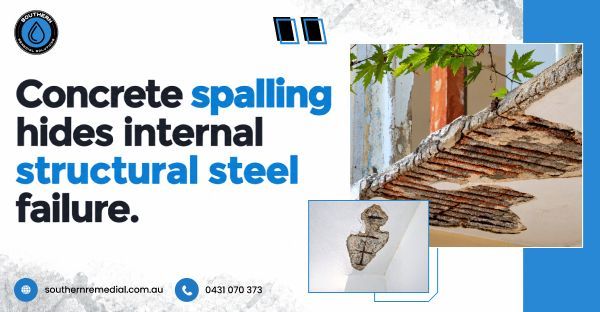
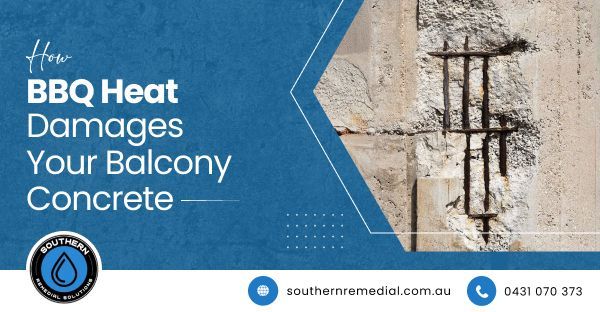
As internal pressure builds, the surface can start to break away. This is one of the common causes of concrete spalling, especially in older balconies without modern protection systems.

Grease and Oil Penetration

Grease doesn’t just stain. It travels. Concrete absorbs oils easily, especially when heated during cooking.

  •   Grease seeps into concrete pores

Hot oil becomes thinner. It flows into tiny pores and cracks. Once inside, it’s almost impossible to remove completely.

  •   Creates dark, permanent stains

These stains aren’t just cosmetic. They signal deeper contamination. Cleaning the surface won’t stop what’s happening underneath.

  •   Breaks down concrete waterproofing membranes

Many balconies rely on membranes beneath tiles or toppings. Grease attacks these layers. Once compromised, water can pass through freely.

  •   Accelerates corrosion of steel reinforcement (rebar)

Oil and moisture together create ideal conditions for steel corrosion. As rebar rusts, it expands. This internal pressure pushes concrete outward and leads to concrete spalling along edges and soffits.

Water and Moisture Issues

Heat and grease open the door. Water finishes the job. Moisture is the biggest long-term threat to balcony slabs.

  •   Damaged waterproofing lets water penetrate

Once membranes fail, rainwater and wash-down water seep into the slab. The damage often remains hidden for years.

  • Freeze-thaw cycles worsen cracks in winter

In cooler regions of NSW, trapped moisture expands during cold nights. Cracks widen. Surface strength drops.

  •   Rust stains from corroded rebar

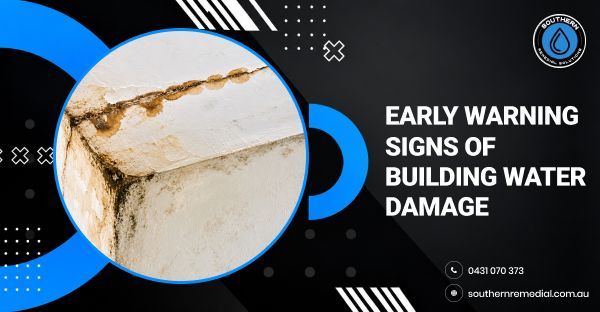
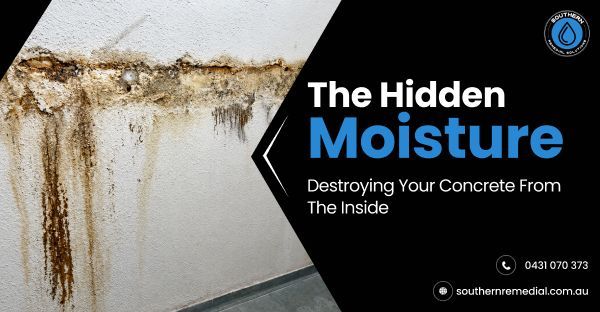
Brown streaks on balcony edges are a warning sign. They indicate steel corrosion beneath the surface and often signal the need for concrete remediation before further deterioration occurs.

Understand why cold months are the worst for your concrete

Warning Signs Your Balcony Is Already Damaged

Balcony damage rarely appears overnight. It shows up in stages. Knowing the early signs helps prevent major structural issues.

  •   Oil stains that won’t wash off - Persistent dark patches usually mean oil penetration, not surface dirt.
  •   Surface cracks or spalling - Flaking concrete or small chunks falling away should never be ignored. This is a visible sign of internal stress.
  •   Rust-coloured marks (exposed rebar) - Rust stains suggest steel corrosion below. Left untreated, this often leads to structural repairs.
  •   Soft or crumbling concrete patches - Concrete should feel solid. Soft spots mean internal breakdown and moisture damage.

Concrete Remediation Tips & Tricks 

Good news. Most BBQ-related damage is preventable. Small changes can extend the life of your balcony slab.

  •   Use a BBQ mat or heat-resistant pad under the grill
  •   Keep BBQ away from walls and railings
  •   Clean spills immediately with degreaser
  •   Never place hot coals directly on concrete
  •   Apply concrete sealer every 1–2 years
  •   Install a permanent BBQ station with proper base
  •   Ensure proper drainage and waterproofing
  •   Regular professional inspections

When to Call Professionals

Some damage goes beyond DIY solutions. Knowing when to act can save significant costs.

  •   Visible cracks wider than 2mm - Wider cracks often indicate structural movement or corrosion beneath the surface.
  •   Any sign of exposed or rusted rebar - Steel exposure requires immediate attention to prevent further expansion and breakage.
  •   Concrete spalling or flaking - Active concrete spalling means internal pressure is already present and repairs should not be delayed.
  •   Water pooling or drainage issues - Persistent water signals membrane failure and often leads to full concrete remediation if ignored.

How technology is revolutionizing concrete remediation

Balcony BBQs expose concrete to heat, grease, and moisture. Over time, these forces weaken slabs, damage waterproofing, and trigger corrosion. Simple actions like heat mats, sealing, and proper cleaning protect your balcony and reduce long-term costs.

Early intervention limits risk and avoids complex concrete remediation projects later. If your balcony shows signs of cracking, staining, or surface breakdown, Southern Remedial can assess the damage and provide reliable repair solutions customized to your unique Australian conditions.
remedial building
By Zeke Stankov December 31, 2025
Discover how IoT sensors detect concrete spalling and structural issues early. Modern remedial building technology predicts failures before costly damage occurs.
By Zeke Stankov December 6, 2025
Water damage costs Australian property owners millions annually. Rain, salt, and moisture slowly sneak into cracks, joints, and porous concrete, then silently erode structural strength. But modern waterproofing isn’t magic — it’s advanced science solving age-old problems. In this post, you’ll learn how modern techniques protect buildings in coastal regions like the Illawarra. You’ll see how new polymers and smart injection methods work, why they beat old-school approaches, and why early remedial action can save you big in the long run. The Old Days vs. Now For decades, builders used basic waterproofing methods to try and keep buildings dry. Traditional waterproofing often meant tar, bitumen coatings, or basic membranes applied to walls or roofs. These methods might keep water out initially. Over time though, tar and simple membranes crack, peel, or break down under UV, temperature changes, or structural movement. Once they fail, water seeps in and damage begins. The breakthrough came when polymer chemistry and nanotechnology entered the scene. Instead of a simple surface coating, modern systems bond at a molecular level. They flex with the building, resist UV and salt, and seal even microscopic pores. These advances shift waterproofing from basic protection to lasting defence. Why waterproofing your basement is essential for long-term property value . How Modern Waterproofing in Illawarra Actually Works Today’s waterproofing doesn’t rely on layers of paint or tar. It works by sealing at the molecular scale. At its heart, molecular-level sealing means using materials that bond deeply with concrete or masonry. These sealants flow into tiny pores, capillaries, and cracks too small for the naked eye. Once cured, they block water from ever entering. One powerful method uses polyurethane or epoxy injection technology. For example, epoxy injection fills structural cracks in concrete and bonds within the crack itself. This prevents water ingress and restores strength. Many remedial specialists in the Illawarra now use epoxy injection as part of crack repair and waterproofing. Another advantage is elasticity: polymer-based membranes and coatings expand and contract with the structure without cracking. Some systems use breathable membranes: these block water from outside but allow moisture vapour inside the structure to escape. This balance keeps concrete dry and prevents trapped moisture — a key factor in long-term health of walls, balconies, and roofs. Then there’s crystalline waterproofing: a technology where waterproofing crystals within a coating activate when they meet moisture. They grow and fill pores, forming a permanent, self-sealing barrier that resists water even under pressure. The "Magic" Epoxy Injection Application When you see modern waterproofing in action, it can feel like magic — but it’s science at work. One common use is crack injection repairs. Tiny cracks in concrete, sometimes invisible to the untrained eye, are filled with epoxy or polyurethane resin. This fills microscopic gaps and blocks any path for water. Over time, even pressure from rising damp or hydrostatic water won’t push through. For rising damp — when groundwater wicks up through walls — modern damp treatments cut off the water at its source. Moisture-blocking barriers and damp-proof courses stop upward movement of water, protecting plaster, render, and interior surfaces. Protective coatings add another dimension. High-quality polyurethane or polymer coatings can last decades, not just a few years. This offers long-term weatherproofing for balconies, roofs, and exposed concrete. Here’s a real-world example: imagine a concrete balcony suffering early spalling — small pieces flaking off because steel inside is corroding. Left unchecked, the damage spreads, weakening the structure. With prompt remedial work, technicians can inject cracks, treat exposed reinforcement, and apply a waterproof membrane or coating. The concrete is sealed, reinforced, and shielded against further water — stopping the spread. Why Waterproofing in Illawarra Matters for Your Property Waterproofing isn’t just about keeping things dry. It matters deeply for safety, value, and long-term savings. First, long-term cost savings : investing in modern waterproofing now avoids repeated repairs later. Water damage can lead to expensive concrete restoration, mould treatment, rust repair, paintwork — sometimes even structural reinforcement if concrete cancer takes hold. Preventing ingress early is far cheaper. Second, structural integrity . Water infiltration corrodes steel inside concrete. Over time, this weakens beams, slabs, and columns. Proper waterproofing preserves the building’s strength and stability. Third, mould and health risks . Moisture encourages mould, mildew, and damp smells. For residents — especially in damp-prone coastal areas like the Illawarra — that can mean poor indoor air quality, health problems, and degraded living comfort. Good waterproofing keeps water — and mould — out. Fourth, property value preservation . A well-sealed, moisture-free building holds its value longer. Buyers and tenants notice when balconies, bathrooms, or walls are damp, stained, or showing rust. A building with good waterproofing stays attractive, stable, and safe. Why do you need professional concrete remediation solutions . Modern waterproofing combines chemistry, engineering, and expertise. It uses polymer science, epoxy injection, crystalline barriers, breathable membranes — not guesswork. With these tools, buildings survive rain, salt, moisture, and time. But the difference lies in proper assessment and skilled application. A specialist can spot vulnerabilities you might miss, and apply the right method for your building. If you live in the Illawarra region and want to protect your property from water damage, it makes sense to get a professional inspection. Contact Southern Remedial Solutions for a full assessment and tailored waterproofing and repair plan. Keep your building safe, dry, and strong — before small problems become big ones.
concrete remediation
By Zeke Stankov November 26, 2025
Discover how cold weather destroys concrete through freeze-thaw cycles. Learn about concrete remediation solutions to protect your property this winter.
concrete spalling
By Zeke Stankov November 20, 2025
Make 2025 the year of proactive remedial building care. Prevent concrete spalling and costly repairs with maintenance resolutions that protect your property.
waterproofing Illawarra
By Zeke Stankov November 7, 2025
New apartment in Illawarra? Waterproofing failures & concrete spalling often appear after move-in. Here's your 2-year hidden defects action plan.
remedial building
By Zeke Stankov November 7, 2025
Discover how cutting-edge technology is transforming concrete remediation diagnostics. From GPR to thermal imaging, learn how modern tools deliver faster, more accurate assessments.
concrete remediation
By Zeke Stankov October 30, 2025
Discover how climate change is accelerating concrete spalling and deterioration in coastal Australia. Learn about concrete remediation solutions to protect your property.
By Zeke Stankov October 16, 2025
We all know markets shift. But far more damage to your returns can come from hidden defects in the building itself. Even a premium location loses value when tenants complain of leaks, cracks, or wiring faults. Repair bills pile up. Spot a problem before you purchase, and you may avoid five- or six‑figure remediation work down the track. Concrete Remediation Red Flags The bones of a building matter most. Structural defects threaten safety and long-term viability. Watch for early signs. • Cracks in walls, foundations, or ceilings Fine hairline cracks are normal. Wide, diagonal cracks that widen at corners of openings (doors/windows) are serious. In concrete slabs or beams, cracks may signal reinforcement corrosion or movement. A remedial building specialist can inject cracks using epoxy or polyurethane crack injection to restore strength. • Uneven floors or doors that won’t close properly If a door drags or won’t latch, or floors slope uncomfortably, you may be seeing foundation settlement or shifting slabs. These defects are not cosmetic — they often hide deeper movement or void formation under slabs. • Sagging rooflines or visible structural movement If the roof ridge sags, or internal columns or beams are visibly displaced, that is a serious red flag. Look up the underside of beams, roof timbers or concrete girders may show shifting or cracks. A building inspector should check for deflection or creeping movement. Water Damage Warning Signs Water is a silent destroyer. Moisture issues often go unnoticed until major damage flares. Be alert for clues. • Stains on walls or ceilings Brown, yellow or gray stains are often tell‑tale signs of leakage. If stains reappear after rain, the waterproofing is likely compromised. • Musty odors indicating mold A persistent earthy, damp smell suggests mould growth behind walls or under flooring. That signals ongoing moisture ingress. • Poor drainage around the property Soil that slopes toward the building, blocked downpipes, or saturated ground next to foundations increase the risk of water penetrating the structure. • Faulty waterproofing in wet areas Bathrooms, balconies, terraces and planter boxes are frequent leak zones. Cracked tiles or blisters in membranes suggest waterproofing failure. Moisture can reach the concrete shell and cause spalling or corrosion over time — a concrete remediation expert must address such damage. Explore hidden problems in old homes that require remedial building work. Electrical and Plumbing Issues Even if the concrete shell is sound, poor services can ruin value, safety and tenant comfort. Plausible red flags exist. • Outdated wiring systems Wiring over 30–40 years old, knob‑and‑tube or aluminium wiring, or fuse boards with limited capacity are all risky. These may not meet modern codes, and insurers may balk. • Frequent power trips or flickering lights If light switches flicker or circuits trip under light load, you may have overloaded circuits or weak connections. • Poor water pressure or recurring blockages If several fixtures suffer low pressure, or blockages are frequent, the plumbing network or drainage might be undersized, corroded or poorly installed. • Signs of previous DIY electrical work Nonstandard junction boxes, loose conduit, exposed wiring or non-code splice work point to bad repair history. These raise red flags about safety and insurance compliance. External Building Envelope Problems The external façade is your first barrier to weather and moisture. If it fails, everything behind it is at risk. • Deteriorating render or cladding Render cracks, delamination, broken joint seals, crumbling corners — these show the shell is failing. Water may be entering behind the façade. • Missing or damaged roof tiles A roof in poor condition permits rain driving into rafters and ceiling spaces. Even small gaps can allow moisture ingress. • Blocked or damaged gutters Overflowing or sagging gutters push water down walls or into foundations. That tests waterproofing and concrete joints. • Window and door seal failures Failing seals or gaskets let water, drafts or moisture in. Re-sealing might be simple, but if the structural aluminium or framing is corroded, deeper repair is needed. How injections help restore historical buildings . What to Do Before Purchasing You can’t eliminate risk. But you can take steps to manage and anticipate it. • Engage qualified building inspectors Hire a licensed building inspector experienced in remedial and structural defects. They can flag when concrete remediation is needed or a crack needs injection from the outset. • Review strata reports for defect history In apartment or strata assets, the strata defect report or maintenance ledger may already record recurring defects, structural issues, or past repair budgets. Hidden liabilities lurk there. • Budget for potential remedial work Assume some defects will surface. Set aside 5–10 % of purchase cost for remediation. That might include concrete remediation, structural fixes or waterproofing replacement. • Consider walking away from problem properties If the defects are systemic, or remediation costs are uncertain or unaffordable, be ready to back out. Don’t justify a bad deal with optimistic assumptions. Structural cracks, water damage, faulty services and envelope failures are red flags no investor can ignore. A property may seem sound, but latent defects erode returns and deliver expensive surprises. Good inspections, proper budgeting, and cautious decision‑making work as your insurance against ruinous defect costs. Only a professional can reliably assess the need for concrete remediation, or whether a crack requires polyurethane crack injection or more advanced repair. At Southern Remedial Solutions, we specialise in concrete repair, waterproofing and remedial building work across NSW. Don’t buy blindly. Engage us early to inspect major assets, assess hidden defects, and help you negotiate with confidence. Contact Southern Remedial today for a full building defect audit.
By Zeke Stankov October 8, 2025
Australia is seeing more frequent and intense storms. From damaging hail in Queensland to coastal deluges in NSW—weather extremes are no longer rare. Recent Bureau of Meteorology data show an uptick in storms that cause large property damage. Waiting for damage to happen is costly. Proactive building assessment beats reactive repairs. And catching issues early saves money, protects safety and reduces stress. Key Storm Vulnerabilities in Buildings Storms stress every part of a building. Some weak points take damage first. Knowing where those are, helps you act ahead of time. • Roofing systems Roofs take a beating. Strong winds may lift or break tiles. Gutters can clog or detach. Flashing (the metal strips around joins and chimneys) can be torn or shifted. Any of these allow wind or water in. • Windows and doors Windows and doors must seal tightly. If seals fail, water penetrates. Frames may warp in strong wind, or hinges and locks weaken. In many buildings, windows don’t have storm-rated coverings or shutters. • External walls Walls are more than an aesthetic shell—they keep storms out. Cracks in masonry or render let water seep in. Cladding that’s improperly fixed or deteriorated can peel off or allow water entry. Also, concrete spalling (when concrete surface flakes or chips away) exposes steel reinforcements to water, which worsens the damage. • Drainage systems If water can’t run away fast enough, it builds up. Roof water, run-off from hard surfaces, clogged downpipes, or blocked stormwater drains all cause pooling. This leads to flooding, erosion around foundations, leaks, or undermining of structural soil support. What is magnesite removal – understanding what it is and when you should get it. Essential Pre‑Storm Preparations You want your building to face a storm without surprises. Some things you can do yourself. Others need expert hands. Start now, well before heavy rain and wind hit. Immediate actions include - 1. Clean gutters, downspouts and stormwater drains. Remove leaves, debris and obstructions. 2. Secure or remove loose objects around the property—outside furniture, signs, or loose roofing elements. 3. Check seals around windows, doors and roof penetrations. Replace or repair worn sealing strips, flashing, and weather-strips. DIY inspections work for visible damage and maintenance. But call in concrete repair contractors or remedial building specialists when you notice structural cracks; when concrete spalling or concrete cancer appears; or when complex waterproofing, roofing, or structural reinforcement seems needed. Experts can uncover hidden damage. They have tools to test moisture, strength, reinforcement corrosion, etc. Warning Signs Your Concrete is Spalling Storm damage shows itself early if you know what to look for. Don’t wait for a big crisis. Watch for small failures—they’re often the first sign. • Water stains or dampness Stained ceilings, walls, or patches of mould inside are bad news. They mean water is getting through somewhere. Could be roof, wall, or even ground water. • Visible cracks in walls or foundations Hairline cracks may widen under pressure. Cracks in foundations or load‑bearing walls can signal serious structural issues. Early repair is cheaper and safer. • Loose or missing roof materials Tiles shifted, metal roof sheets loose, broken flashings, missing ridge caps—all invite water and wind damage. • Poor drainage around the building Pooling water near foundations. Guttering overflowing. Soft soil around walls. All raise risk of water ingress, erosion, and foundation movement. Understanding signs that show your building’s concrete needs repair . Professional Storm‑Proofing Services Some work requires specialist tools, knowledge and techniques. Professional help makes a difference. It ensures your building not only weathers one storm but many. • Structural assessments and waterproofing Experts can test structural strength, check reinforcement corrosion, assess moisture absorption. They can apply waterproofing membranes, sealants, coatings, moisture barriers. This includes dealing with concrete spalling or concrete cancer to prevent deterioration of key load‑bearing elements. • Roof repairs and reinforcement Repair or replace damaged roofing tiles, metal sheeting, ridge caps and flashings. Reinforce roof trusses if needed. Ensure gutters and downpipes are securely fixed and correctly sized. • Window and door upgrades Install storm‑rated windows, reinforced frames, proper sealing. Add shutters or storm panels. Replace damaged seals and tracks. • Drainage improvements Ensure gutters, downpipes and stormwater drains are clean, properly pitched, sized. Redirect soil slope away from foundations. Install or maintain surface and subsurface drains where needed. The Cost of Being Unprepared Skipping preparation seems cheaper—until something breaks. The financial, safety, and operational costs of storm damage add up fast. • Emergency repair costs vs preventive maintenance Emergency storm repairs can cost many times more. Fixing a collapsed roof or flooded basement eats into budgets. Regular maintenance and repairs—such as work by concrete repair contractors—cost far less over time. • Insurance complications and claim rejections Insurers expect maintenance. If you can’t prove you regularly looked after your building, claims may be denied. Unreported damage (like ongoing spalling or unseen leaks) will weaken your case. • Business disruption and safety risks Storm damage can shut down operations. Employees or residents may be unsafe. Slip or fall hazards, structural collapse risks, mould illness all come from deferred maintenance. Contact Concrete Repair Contractors Your building can withstand the storms ahead—but only if you act now. By spotting weaknesses in your roof, windows, walls or drainage; by taking preparatory steps; and by hiring the right professionals, you protect your structure, your people, and your wallet. If you want to know whether your building is storm‑ready, Southern Remedial Solutions can help. We offer inspections, concrete spalling and cancer repair, waterproofing, roof and window upgrades, and drainage services to make buildings safer and more resilient. Contact us today at 0431 070 373 for a no‑obligation on‑site assessment. Let’s get ahead of the next storm—before it hits.
waterproofing Illawarra
By Zeke Stankov September 29, 2025
Expert waterproofing Illawarra services to protect your property. Learn remedial building techniques that prevent costly water damage and keep structures dry.
technician holding a clipboard and pen
  • Get in Touch

    We hope you enjoy reading this blog post!


    If you need specialist remedial building works in Wollongong, Sydney, or the South Coast, look no further than Southern Remedial Solutions. We use industry-leading technologies to deliver high-quality solutions to our clients.


    Get in Touch


We hope you enjoy reading this blog post!

If you need specialist remedial building works in Wollongong, Sydney, or the South Coast, look no further than Southern Remedial Solutions. We use industry-leading technologies to deliver high-quality solutions to our clients.