What Every New Apartment Owner Must Do in Their First Two Years
Getting the keys to your new apartment is a huge milestone. The paint smells fresh, the tiles shine, and everything looks perfect. But before you settle in completely, there’s one critical detail you can’t ignore — your hidden defects period.
This two-year window is when unseen building flaws often begin to surface. Cracks, leaks, or rust marks might seem small, but they can quickly become major repair bills if left unchecked.
If you don’t act before the warranty ends, you could lose your right to have the builder fix these issues at no cost. That’s why knowing what to look for — and when — is essential.
What Is the Hidden Defects Period?
Every new apartment in Australia comes with statutory warranty periods that protect buyers from poor workmanship and structural faults.
- The hidden defects period covers faults that aren’t obvious when you first move in — like waterproofing failures under tiles or concrete cracks that develop slowly.
- These might include concrete spalling, leaking balconies, or poorly installed membranes. Left untreated, they can compromise the safety and value of your home.
- It’s important not to confuse this with the six-year major defects warranty. That one covers major structural failures. The two-year period deals with the smaller, hidden problems that often cause big issues later.
- If you report these defects during the warranty period, the builder is legally required to repair them at no cost. Miss the deadline, and you’ll be footing the bill yourself.
Common Hidden Defects in New Apartments
Even well-built apartments can develop issues once they settle. Here are the most common problems owners discover in the first two years.
- Waterproofing failures
Bathrooms, balconies, and external walls are often the first areas to show leaks. Poor waterproofing in Illawarra and other coastal regions can lead to moisture damage and mould growth.
- Concrete cracking and spalling
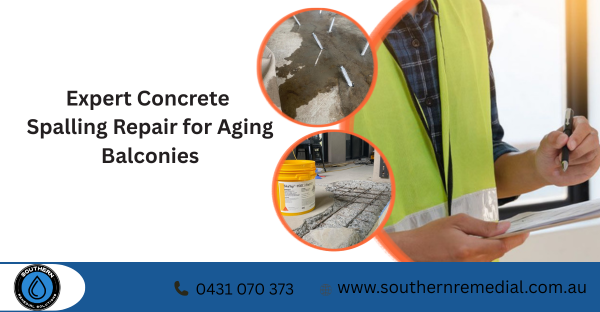
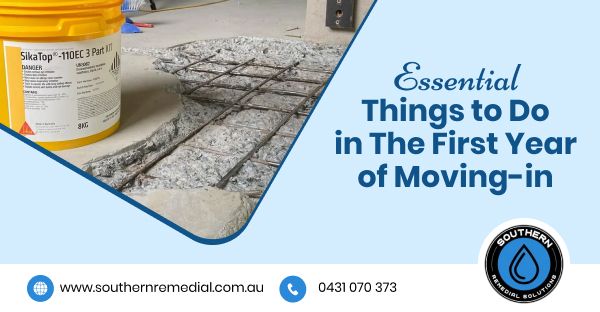
- Concrete spalling occurs when moisture reaches the steel reinforcement inside, causing it to rust and expand. This results in cracking and flaking concrete — a serious sign your structure needs attention.
- Rising damp and moisture issues
- Ground moisture creeping into walls or floors can cause bubbling paint, odours, and mould. It’s common in older buildings but can also appear in new ones if membranes are poorly installed.
- Render cracking or detachment
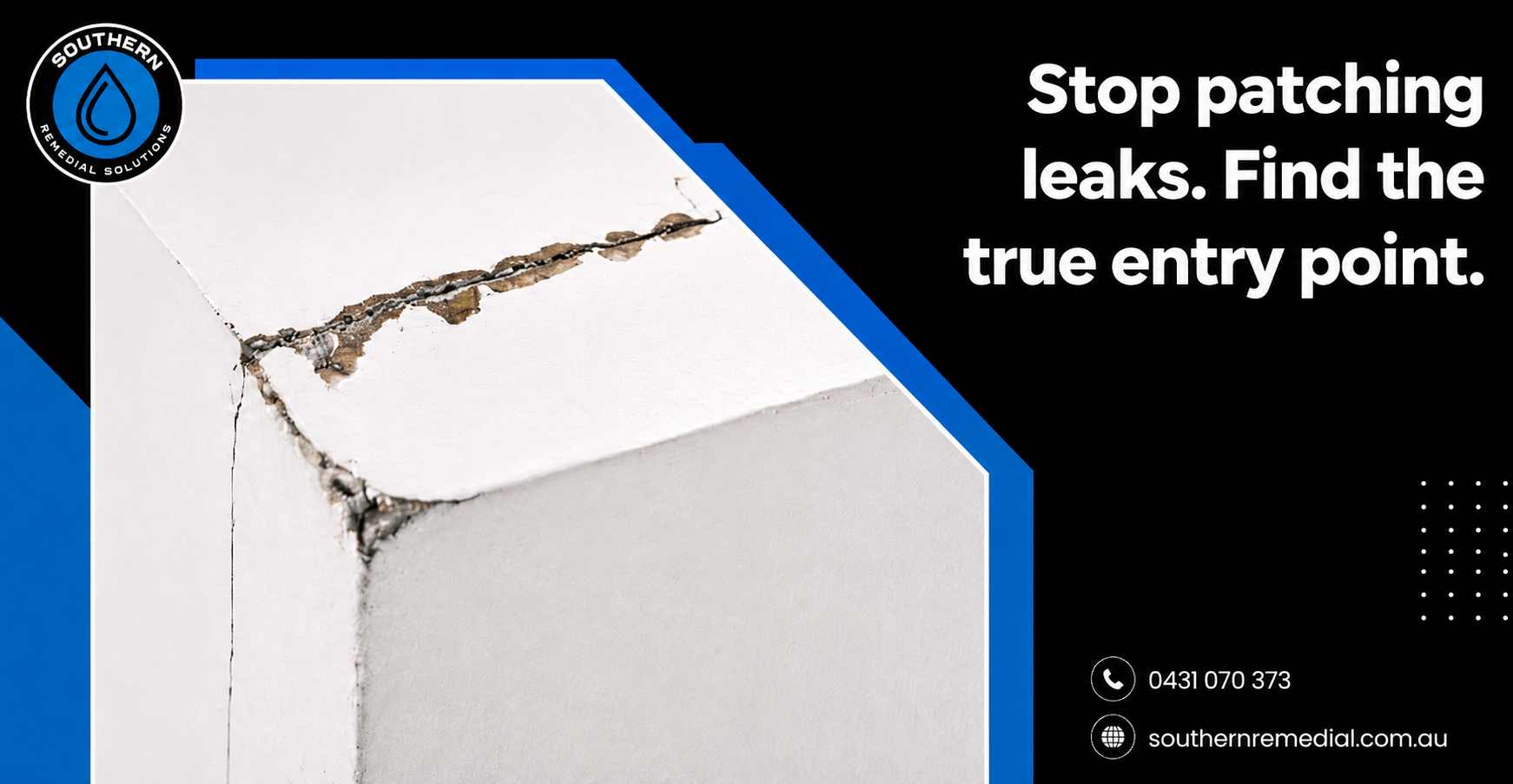
- Hairline cracks in render might seem cosmetic, but they allow water to penetrate. Over time, the render can bubble or detach completely.
- Structural movement cracks
- As buildings settle, small movement cracks appear. However, wide or diagonal cracks can indicate structural issues that need professional assessment.
- Leaking joints and flashings
Improperly sealed joints or flashing can lead to leaks during heavy rain, particularly around windows, doors, and balconies.
Understand the role of waterproofing in concrete remediation.
Your Concrete Spalling Action Plan
To stay ahead of potential problems, follow this step-by-step plan during your first two years.
Month 1–3
- Document everything — take photos and videos.
- Check for obvious defects.
- Log any issues with your builder right away.
Month 6
- Schedule your first full inspection.
- Check for leaks after heavy rain.
- Inspect balcony and bathroom waterproofing.
Month 12
- Conduct a mid-year inspection.
- Look for new cracks in walls or ceilings.
- Check for rust stains or early concrete spalling.
Month 18
- This is your critical inspection period.
- Hire a professional inspector if you haven’t already.
- Document any developing defects with clear photos.
Month 22–24
- Complete a final inspection before your warranty expires.
- Submit all defect claims immediately.
- Keep written confirmation from your builder.
- Don’t leave it to the last week.
Red Flags to Watch for Concrete Spalling
Spotting problems early is the key to preventing major damage. Keep an eye out for these warning signs.
- Water stains on walls or ceilings
- Musty smells or mould growth
- Cracks wider than a hairline
- Rust stains on concrete
- Bubbling or flaking render
- Doors or windows that don’t seal properly
- Damp patches after rain
Any of these could point to hidden water ingress or structural issues requiring immediate attention.
Explore how concrete repair contractors helps in improving your home value.
When to Call in the Experts for Waterproofing in Illawarra
Not every issue is visible to the untrained eye. That’s where professional help comes in.
- If you notice recurring leaks, concrete spalling, or signs of failed waterproofing Illawarra property owners should act fast — local humidity and salt air can make problems worse.
- Specialists assess concrete integrity, waterproofing membranes, drainage systems, and structural movement. They identify both visible and hidden defects before they spread.
Southern Remedial Solutions has decades of experience in defect assessments, waterproofing Illawarra properties, and repairing concrete spalling. Our team inspects, reports, and provides clear solutions that comply with Australian Standards.
Early detection saves you from expensive remedial work later. Small leaks or cracks can quickly turn into major repairs if ignored.
The hidden defects period is your opportunity to make sure your new apartment is built to last. Inspect regularly, document thoroughly, and act quickly. If you suspect issues like concrete spalling or failed waterproofing Illawarra-wide, contact Southern Remedial Solutions for a professional defect inspection and report.
We service Wollongong, Illawarra, Sydney, the South Coast, and the Southern Highlands — providing expert advice and repairs that protect your property for years to come.