The Science of Sealing: Why Modern Waterproofing in the Illawarra is Like Magic

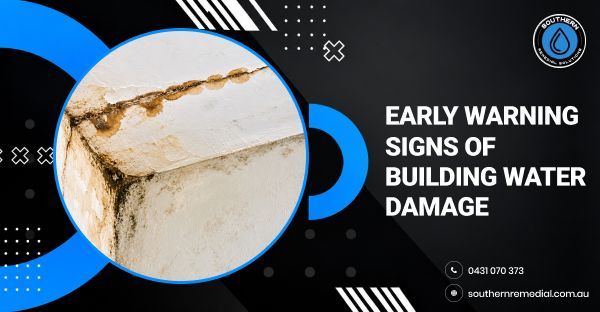
Water damage costs Australian property owners millions annually. Rain, salt, and moisture slowly sneak into cracks, joints, and porous concrete, then silently erode structural strength. But modern waterproofing isn’t magic — it’s advanced science solving age-old problems.
In this post, you’ll learn how modern techniques protect buildings in coastal regions like the Illawarra. You’ll see how new polymers and smart injection methods work, why they beat old-school approaches, and why early remedial action can save you big in the long run.
The Old Days vs. Now
For decades, builders used basic waterproofing methods to try and keep buildings dry.
Traditional waterproofing often meant tar, bitumen coatings, or basic membranes applied to walls or roofs. These methods might keep water out initially. Over time though, tar and simple membranes crack, peel, or break down under UV, temperature changes, or structural movement. Once they fail, water seeps in and damage begins.
The breakthrough came when polymer chemistry and nanotechnology entered the scene. Instead of a simple surface coating, modern systems bond at a molecular level. They flex with the building, resist UV and salt, and seal even microscopic pores. These advances shift waterproofing from basic protection to lasting defence.
Why waterproofing your basement is essential for long-term property value.
How Modern Waterproofing in Illawarra Actually Works
Today’s waterproofing doesn’t rely on layers of paint or tar. It works by sealing at the molecular scale.
At its heart, molecular-level sealing means using materials that bond deeply with concrete or masonry. These sealants flow into tiny pores, capillaries, and cracks too small for the naked eye. Once cured, they block water from ever entering.
One powerful method uses polyurethane or epoxy injection technology. For example, epoxy injection fills structural cracks in concrete and bonds within the crack itself. This prevents water ingress and restores strength. Many remedial specialists in the Illawarra now use epoxy injection as part of crack repair and waterproofing. Another advantage is elasticity: polymer-based membranes and coatings expand and contract with the structure without cracking.
Some systems use breathable membranes: these block water from outside but allow moisture vapour inside the structure to escape. This balance keeps concrete dry and prevents trapped moisture — a key factor in long-term health of walls, balconies, and roofs.
Then there’s crystalline waterproofing: a technology where waterproofing crystals within a coating activate when they meet moisture. They grow and fill pores, forming a permanent, self-sealing barrier that resists water even under pressure.
The "Magic" Epoxy Injection Application
When you see modern waterproofing in action, it can feel like magic — but it’s science at work.
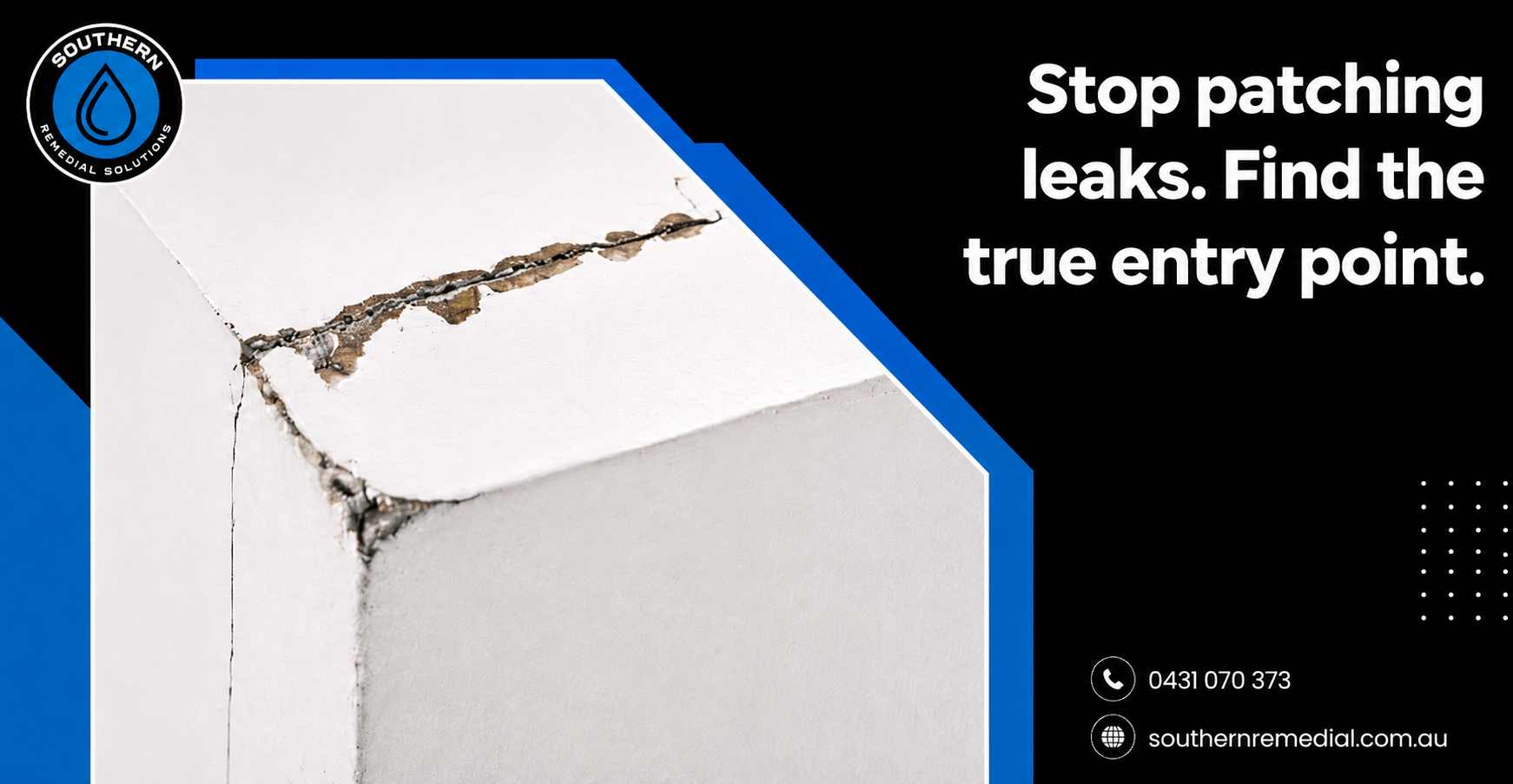
One common use is crack injection repairs. Tiny cracks in concrete, sometimes invisible to the untrained eye, are filled with epoxy or polyurethane resin. This fills microscopic gaps and blocks any path for water. Over time, even pressure from rising damp or hydrostatic water won’t push through.
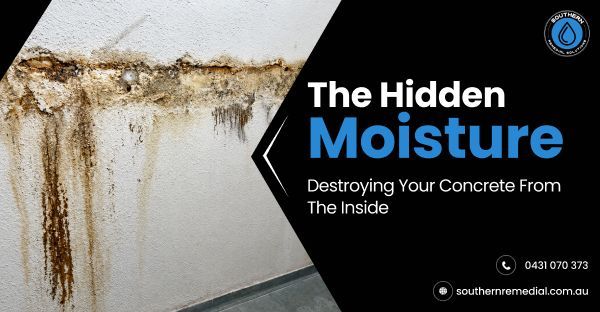
For rising damp — when groundwater wicks up through walls — modern damp treatments cut off the water at its source. Moisture-blocking barriers and damp-proof courses stop upward movement of water, protecting plaster, render, and interior surfaces.
Protective coatings add another dimension. High-quality polyurethane or polymer coatings can last decades, not just a few years. This offers long-term weatherproofing for balconies, roofs, and exposed concrete.
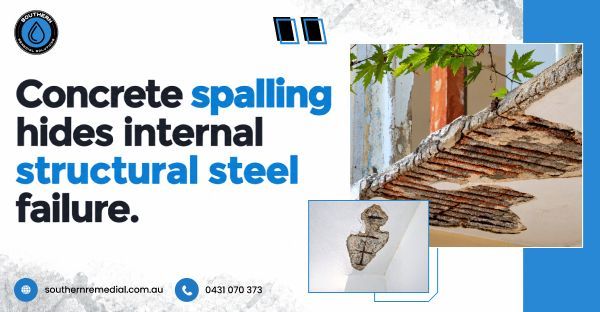
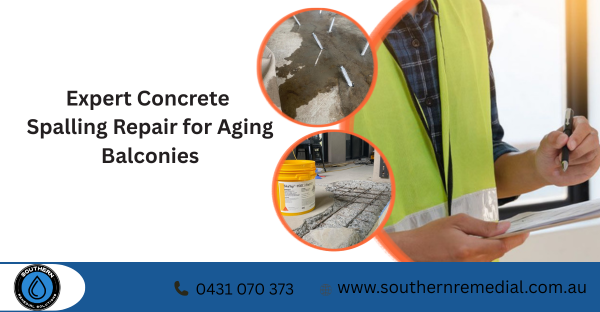
Here’s a real-world example: imagine a concrete balcony suffering early spalling — small pieces flaking off because steel inside is corroding. Left unchecked, the damage spreads, weakening the structure.
With prompt remedial work, technicians can inject cracks, treat exposed reinforcement, and apply a waterproof membrane or coating. The concrete is sealed, reinforced, and shielded against further water — stopping the spread.
Why Waterproofing in Illawarra Matters for Your Property
Waterproofing isn’t just about keeping things dry. It matters deeply for safety, value, and long-term savings.
- First, long-term cost savings: investing in modern waterproofing now avoids repeated repairs later. Water damage can lead to expensive concrete restoration, mould treatment, rust repair, paintwork — sometimes even structural reinforcement if concrete cancer takes hold. Preventing ingress early is far cheaper.
- Second, structural integrity. Water infiltration corrodes steel inside concrete. Over time, this weakens beams, slabs, and columns. Proper waterproofing preserves the building’s strength and stability.
- Third, mould and health risks. Moisture encourages mould, mildew, and damp smells. For residents — especially in damp-prone coastal areas like the Illawarra — that can mean poor indoor air quality, health problems, and degraded living comfort. Good waterproofing keeps water — and mould — out.
- Fourth, property value preservation. A well-sealed, moisture-free building holds its value longer. Buyers and tenants notice when balconies, bathrooms, or walls are damp, stained, or showing rust. A building with good waterproofing stays attractive, stable, and safe.
Why do you need professional concrete remediation solutions.
Modern waterproofing combines chemistry, engineering, and expertise. It uses polymer science, epoxy injection, crystalline barriers, breathable membranes — not guesswork. With these tools, buildings survive rain, salt, moisture, and time. But the difference lies in proper assessment and skilled application.
A specialist can spot vulnerabilities you might miss, and apply the right method for your building. If you live in the Illawarra region and want to protect your property from water damage, it makes sense to get a professional inspection.
Contact Southern Remedial Solutions for a full assessment and tailored waterproofing and repair plan. Keep your building safe, dry, and strong — before small problems become big ones.