Can IoT Sensors Predict Concrete Spalling and Building Failures Before They Happen?

Buildings are no longer silent. With IoT sensors in place, they now share data every hour of the day. These small devices track movement, moisture, temperature, and stress within a structure. They provide clear signals about what is happening inside concrete, steel, and services long before damage becomes visible.
Many building issues only get attention when damage is obvious. By then, repairs are costly and disruptive. Predictive maintenance changes this pattern. It helps owners act early, plan works, and avoid sudden failures that affect safety, budgets, and operations.
Yes, IoT sensors can predict issues like cracking, moisture damage, and concrete spalling before failure occurs. They do this by tracking subtle changes over time and flagging risks early, giving specialists the chance to respond with targeted remedial building solutions.
How IoT Sensors Detect Concrete Spalling Early
Early detection relies on data, not guesswork. IoT sensors collect this data continuously. They turn invisible changes into clear warnings.
Types of sensors used
Several sensor types work together to give a full picture of building health.
- Structural sensors track strain, load changes, and deflection in beams and slabs.
- Moisture sensors detect water movement within concrete and walls.
- Temperature sensors monitor heat changes that cause expansion and contraction.
- Vibration sensors pick up movement from traffic, machinery, or ground shifts.
What they monitor in real-time
These sensors monitor conditions that often lead to long-term damage. They track moisture levels near reinforcement, temperature cycles that stress materials, and vibration patterns that indicate fatigue. This real-time monitoring helps identify risk zones within a structure rather than relying on surface inspections alone.
How data patterns reveal early warning signs
One data point means little on its own. Patterns tell the real story. Rising moisture near steel reinforcement may signal corrosion risk. Repeated vibration spikes can point to structural fatigue. When trends move outside safe limits, alerts prompt investigation before damage escalates into visible failure.
Why waterproofing is necessary in the present times?
Common Building Failures IoT Can Predict
Most building failures develop slowly. They show signs long before collapse or major damage. IoT sensors focus on these early signals.
• Concrete deterioration and cracks
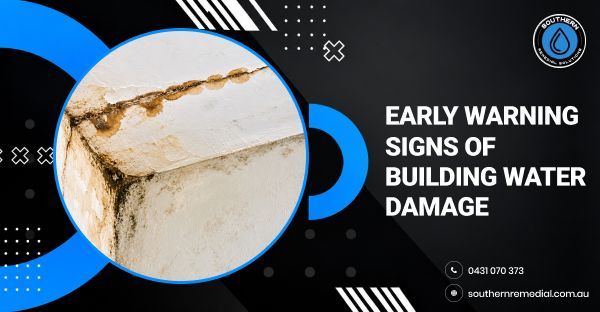
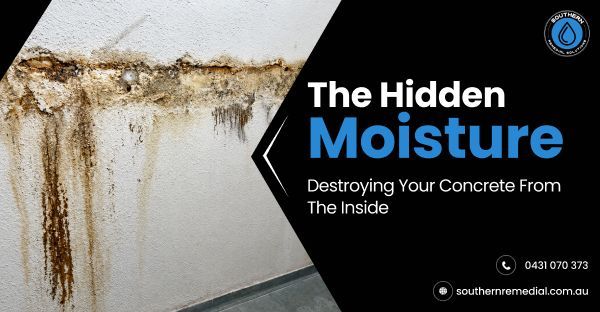
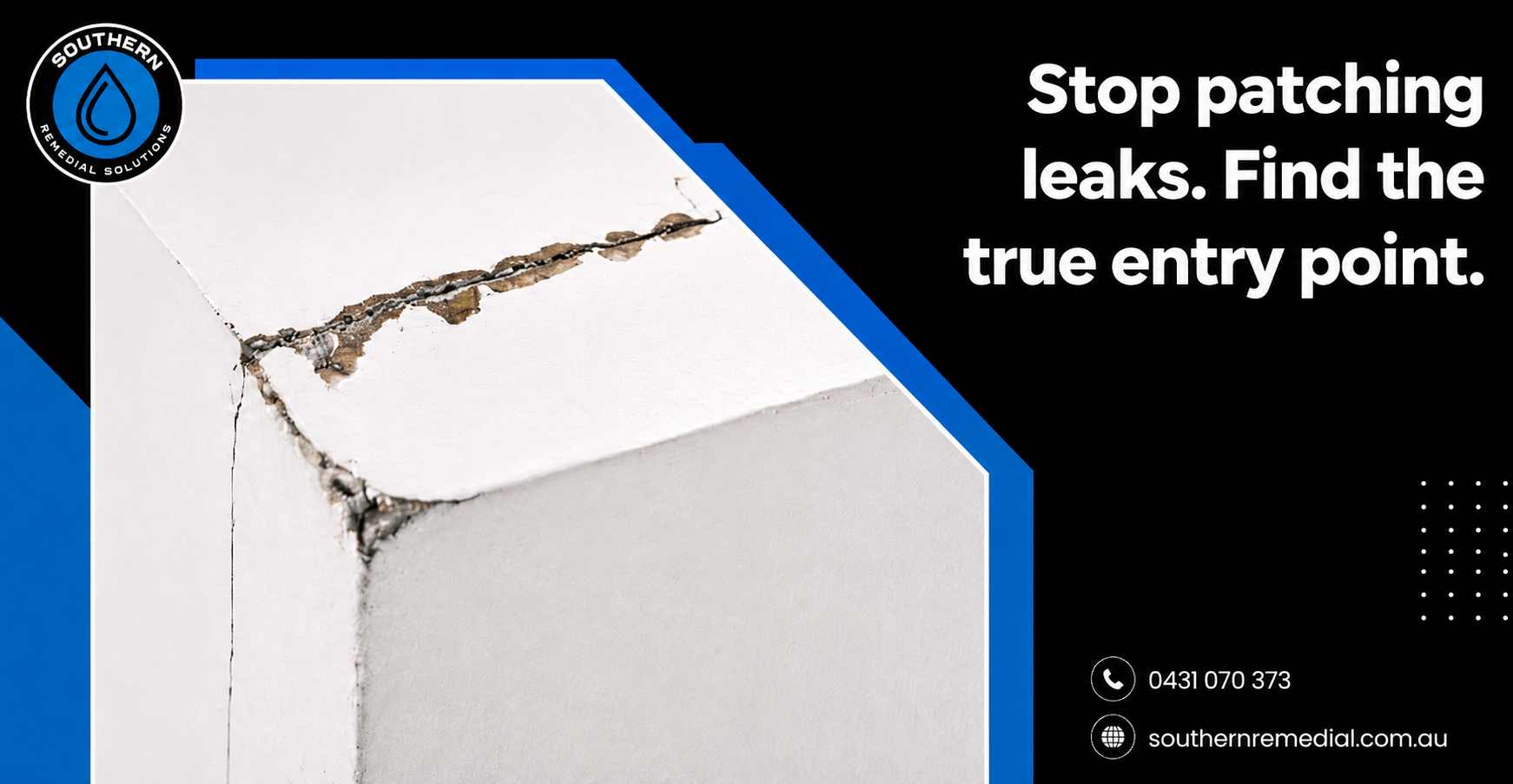
Concrete rarely fails without warning. Changes in strain, moisture, and temperature often precede cracking. Over time, these cracks allow water and air to reach reinforcement. If left unchecked, this process can lead to concrete spalling and loss of structural capacity. Early detection supports timely repairs and limits spread.
• Water ingress and moisture damage
Water is one of the biggest threats to buildings in coastal and urban Australia. Sensors identify moisture paths through slabs, basements, and façades. This helps pinpoint leaks, failed membranes, or drainage issues before mould, corrosion, or structural decay occurs.
• Structural movement and settlement
Ground movement, loading changes, or ageing materials can cause subtle shifts in a building. Sensors track tilt, vibration, and movement over time. These readings help engineers assess whether movement is within design limits or a sign of deeper foundation or structural problems.
• HVAC and mechanical system failures
Mechanical systems also benefit from monitoring. Vibration and temperature sensors identify wear in motors, fans, and pumps. Early alerts reduce breakdowns that can disrupt occupants and increase strain on surrounding building elements.
Remedial Building Benefits
Technology only matters if it delivers results. IoT sensors offer clear, practical benefits. These benefits extend across cost, safety, and longevity.
• Cost savings from preventing major repairs
Early intervention is always cheaper than emergency repair. Detecting moisture or cracking early allows targeted works rather than large-scale demolition. For owners, this means lower repair costs and better control over maintenance budgets.
• Reduced building downtime
Unexpected failures force closures and disrupt tenants. Predictive alerts allow works to be scheduled during quiet periods. This reduces downtime and keeps buildings operational while repairs are carried out.
• Extended building lifespan
Structures last longer when issues are managed early. Monitoring helps slow deterioration and protects key structural elements. This approach aligns well with long-term asset management strategies and responsible ownership.
• Improved safety for occupants
Falling concrete, water damage, and structural movement pose real safety risks. Early detection reduces the chance of sudden hazards. This protects occupants, contractors, and the public around the building.
Implementation Considerations
IoT systems must be planned carefully. They work best when aligned with building needs. Expert input ensures reliable outcomes.
• Installation requirements
Sensors must be placed in the right locations to be effective. This includes high-risk areas such as car parks, balconies, basements, and load-bearing elements. Installation should minimise disruption and integrate with ongoing maintenance works.
• Data monitoring and analysis
Collecting data is only the first step. Skilled analysis is essential. Engineers and remedial specialists interpret trends and recommend actions. Without proper oversight, valuable insights may be missed or misunderstood.
• Integration with existing building systems
Modern buildings often have management systems in place. IoT sensors can integrate with these platforms, providing a central view of building health. This improves decision-making and supports coordinated maintenance planning.
• ROI timeline
Returns vary by building type and condition. High-risk structures often see benefits quickly through avoided repairs and reduced failures. Over time, improved maintenance planning and extended asset life deliver strong long-term value.
New year remedial building solutions that stick.
IoT sensors give buildings a voice. They detect early signs of damage, track critical conditions, and support informed maintenance decisions. From moisture ingress to structural movement, this technology helps prevent failures before they escalate.
By identifying risks like concrete spalling early, owners avoid major structural repairs and safety incidents. Timely action preserves both the building and its value.
If you manage ageing or high-risk structures, expert guidance matters. Contact Southern Remedial to assess your building, interpret early warning signs, and plan practical solutions that protect your assets for years to come.