New Year, New Building: Remedial Building Resolutions That Actually Stick

January brings a sense of clarity. Just as people set resolutions, buildings benefit from a reset as well. A new year is the perfect moment to look at your property with fresh eyes and decide what needs care.
Small cracks spread. Damp patches grow. Early signs of concrete spalling become safety concerns. Most problems escalate quietly when owners assume they’ll “sort themselves out.” They won’t.
A steady, planned approach keeps your building safe and functional. Well-chosen resolutions protect your structure, reduce long-term costs, and support a healthier building throughout the year. The key is choosing resolutions that are achievable and sticking to them.
Conduct a January Building Audit
Start your year with a purposeful walk around your building. A January audit sets the tone for how you will manage maintenance over the next twelve months. Think of it as an annual health check for your property.
- Walk your property and document visible issues
Take your time. Move slowly and look at walls, slabs, joints, fixtures, and external elements. Jot down anything that looks worn, cracked, rusted, or damp.
- Check for concrete cracks, water stains, or spalling
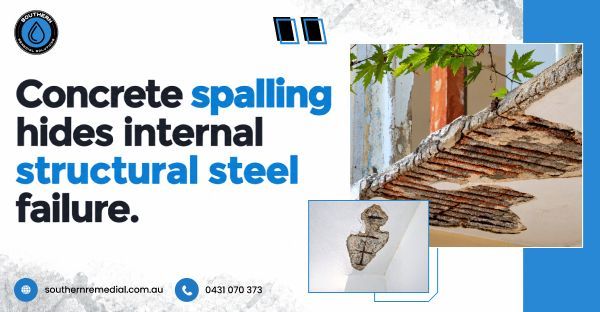
Concrete spalling is a common issue in coastal and high-moisture areas across NSW. Look for flaking, rust stains, hollow-sounding concrete, or exposed steel. Early detection makes remedial building work faster, cleaner, and far more cost-effective.
- Identify damp areas, leaks, or weatherproofing failures
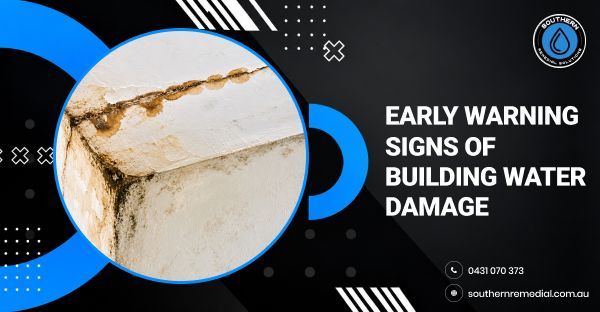
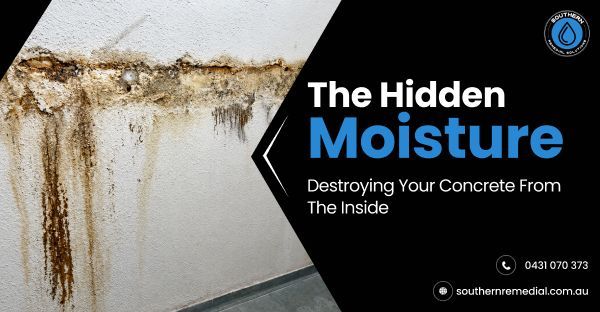
Moisture is often the first sign something is wrong. Check ceilings, basements, external facades, and balconies. Dampness today becomes mould tomorrow and structural damage later.
- Take photos for comparison later in the year
Photos make future changes clear. You can compare, measure progression, and show a remedial building specialist exactly what’s developing.
Understand
how technology is revolutionizing concrete remediation diagnostics.
Schedule Regular Remedial Building Inspections
A one-time audit isn’t enough. Buildings change with seasons, storms, wear, and age. Regular inspections help you track small developments long before they become pressing repairs.
- Quarterly visual checks for early problem detection
Every three months, repeat your short walk-through. Mark new cracks, water marks, or signs of concrete spalling. These quick checks take minutes but save thousands in repair costs.
- Annual professional inspections for structural concerns
Bring in specialists once a year, especially if you own multi-unit residential buildings or commercial spaces. Professionals spot problems that aren’t obvious—corroded reinforcement, hidden leaks, balustrade weaknesses, or movement in slabs.
- Focus areas: waterproofing, concrete surfaces, drainage
These areas usually show the earliest signs of stress. Staying consistent keeps your remedial building plans realistic and your property safer.
Address Concrete Spalling Before They Escalate
Small issues rarely stay small. Buildings age, materials shrink or expand, and nature wears down surfaces. Treating early problems promptly is the simplest way to protect your structure.
- Fix minor cracks before they become structural problems
Hairline cracks widen with temperature changes and moisture. Repair them early so they don’t compromise the structure.
- Seal small leaks before water damage spreads
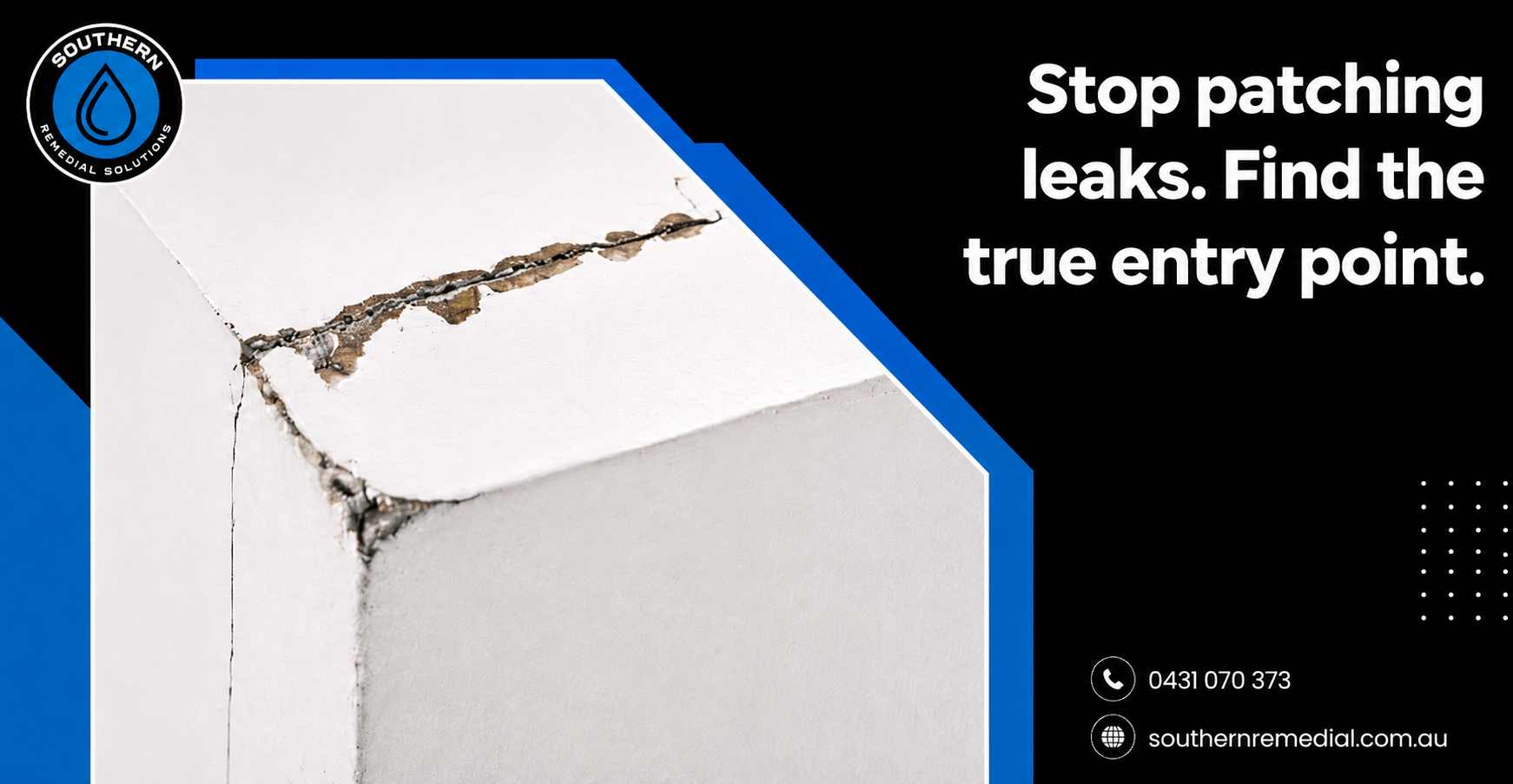
Leaks travel. A tiny drip today can lead to soaked insulation, rotted timber, mould growth, or failing plasterboard.
- Treat early signs of concrete cancer immediately
Concrete cancer—another form of concrete spalling—sets in when steel reinforcement corrodes. Address it early to avoid costly structural work.
- Small repairs cost far less than major remediation
Quick patching, sealing, and coating can prevent months of refurbishment later. This is one of the core principles of good remedial building practice.
Create a Remedial Building Maintenance Calendar
Planning removes guesswork. A maintenance calendar helps you stay organised and reduces the chance of forgetting critical tasks. It keeps your building on a predictable rhythm.
- Mark seasonal maintenance tasks
Note important periods such as pre-winter waterproofing checks or post-storm inspections. Weather shifts affect materials and surfaces, so seasonal planning matters.
- Set reminders for gutter cleaning and drainage checks
Blocked gutters overflow and push water into unwanted areas. Clean, working drainage protects walls, roofs, and foundations.
- Schedule protective coating reapplications
Paints, membranes, and sealants have service lives. Reapply them on schedule to reduce the risk of concrete spalling, moisture ingress, and surface deterioration.
How to protect your building from rain damage.
Budget for Preventative Maintenance
Money set aside early keeps building stress low. Budgeting gives you room to act when you identify a problem instead of delaying repairs due to sudden costs.
- Allocate funds quarterly rather than waiting for emergencies
- Preventative work costs 3–5 times less than reactive repairs
- Well-maintained buildings hold their value and appeal to buyers, tenants, and insurers.
- Good remedial building practices support long-term performance.
A new year is the ideal time to commit to better building care. Start with a January audit, schedule inspections, tackle small issues quickly, plan tasks seasonally, and set a maintenance budget.
These simple steps help prevent structural issues such as leaks, ageing coatings, and concrete spalling while keeping your remedial building work manageable. Regular effort protects your structure more than any one-off repair. They take minutes but give you valuable insight into how your building is ageing.
Our team handles complex issues, from waterproofing failures to concrete spalling and façade deterioration. Start your year with confidence. Book a professional inspection with Southern Remedial Solutions and protect your building for the long run.